
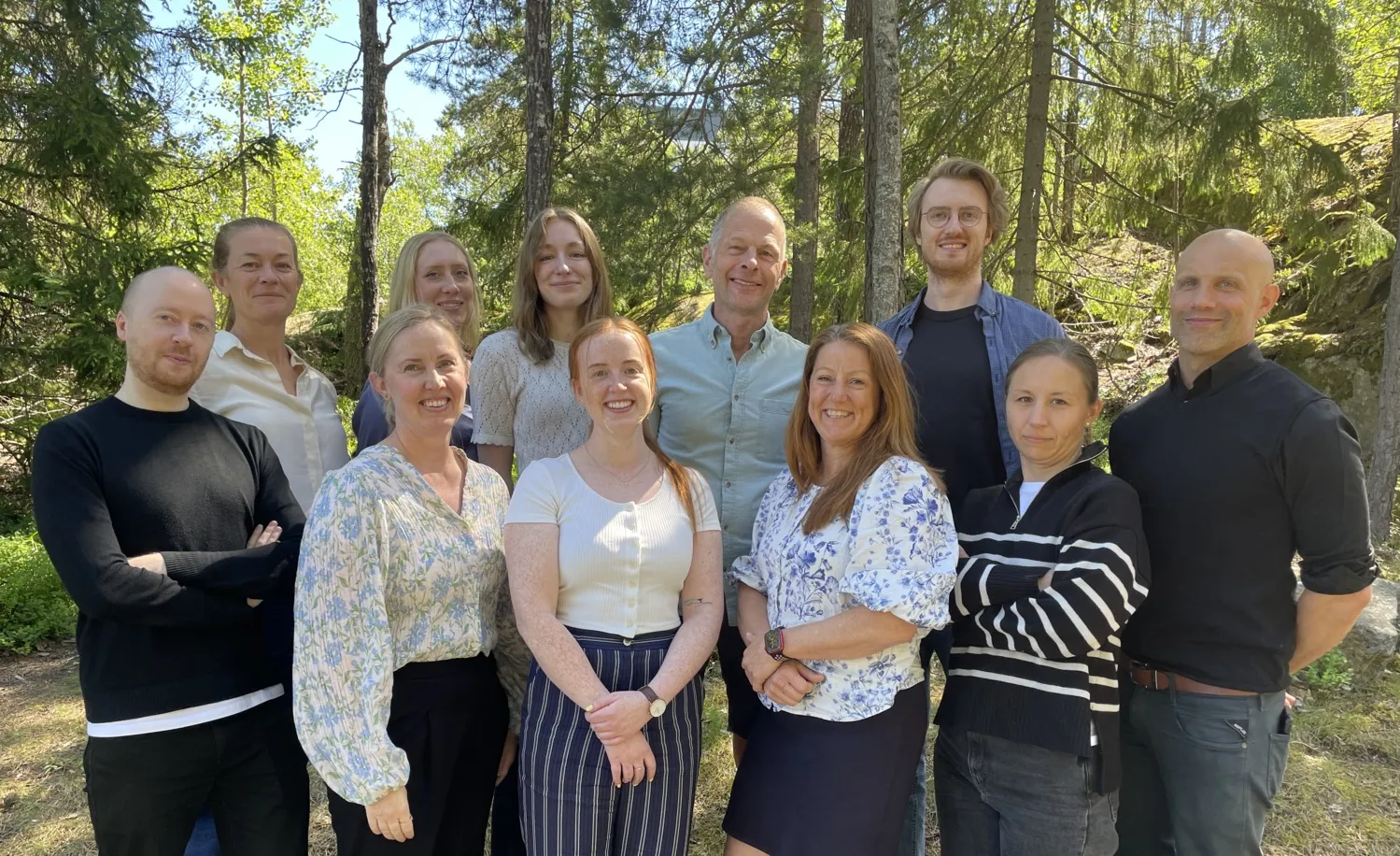
NAVIGATE research group – Neurology, ActiVity, Imaging, GAit, Technology and Exercise

Our research group develops innovative, person-centered, and co-created exercise interventions for people affected by neurological conditions. By integrating clinical expertise with digital health technologies, movement analysis, and brain imaging we work to enhance mobility, independence, and quality of life for individuals, while also supporting family caregivers and healthcare professionals.

Research Focus

Our research group focuses on advancing rehabilitation and support for people living with Parkinson’s disease, atypical parkinsonism, multiple sclerosis, and other neurological disorders and conditions, as well as their family caregivers and healthcare professionals. We develop personalised and co-created interventions that integrate digital health innovations, advanced analytics, and motor-cognitive activities to improve mobility, independence, and quality of life.  

By uniting clinical expertise with cutting-edge technologies such as machine learning and movement analysis, we pioneer solutions that aim to support physical activity, exercise and symptom self-management during disease progression. Our mixed-methods and implementation-focused approach ensures that breakthroughs can translate into sustainable practice, improved health systems, and informed policy.  

Through deep stakeholder engagement and a commitment to accessibility, we work to overcome barriers, strengthen clinical pathways, and deliver impactful, evidence-based strategies that benefit people with neurological diseases. We aim not only to improve healthcare, but to redefine what is possible for individuals affected by complex neurological conditions. 

uMOVE Core Facility

uMOVE offers support for the planning, data collection and analysis using a wide range of state-of-the-art motion analysis systems - from lab measurements to free-living assessment of daily activities, including cognition functions and emotions on motor control.

uMOVE Core Facility

Publications

All publications from group members

Funding

Grants

  • Motor-cognitive performance in people with multiple sclerosis - Brain activity and effects of balance exercise
    Norrbacka-Eugeniastiftelsen
    1 January 2024 - 31 December 2025
  • Linking behavioural effects of intensive motor-cognitive exercise to biomarkers in people with neurological diseases
    Strategic Research Area Health Care Science (SFO-V)
    1 September 2023 - 31 August 2025
  • Swedish Research Council for Health Working Life and Welfare
    1 July 2023 - 30 June 2026
    Older people with Parkinson’s disease (PD) are one of the frailest groups in society, as debilitating symptoms place them at high risk for physical inactivity, social withdrawal and reduced quality of life. PD symptoms also lead to emotional and communicative changes which can severely affect social functioning and result in loneliness and stigmatization.  The proposal outlines five studies which ultimately aim to increase the accessibility and success of implementing evidence-based welfare technology to support active and dignified ageing with PD, and also older adults requiring support for chronic disease.   Research goals are:To investigate the efficacy of eHealth delivered motor-cognitive home training with regards to functional capacity, motor-cognitive ability, and physical activity behaviour, by performing a randomised controlled trial.To investigate how the use of novel wearable technologies can enhance the assessment of motor-cognitive performance in PD. To investigate patterns of participation in places for activities outside of the home among people with PD, and to explore how use of eHealth and other factors are associated with these patterns.To explore and describe perceptions of carers to people with PD regarding the potential for eHealth technology to support everyday life and participation.To investigate health care professional’s perspectives on determinant factors for the implementation of welfare technology for the care older adults with chronic diseaseOur methods will span a variety of designs and methods - a randomised control trial (RCT), cross-sectional observational studies and qualitative data collection. We will also investigate perceptions of welfare technology from multiple perspectives, including carers to people with PD and a wide range of health care personnel.  Findings from these studies will have direct relevance for older people living with chronic and progressive disease, their relatives or carers and for the future implementers of welfare technology- health care providers specialised in the care of older adults. The project group is multi-professional and incorporates physiotherapists, a Neurologist MD, occupational therapists and neuropsychologists. The planned studied are in conjuntion with clinical Geriatric hospital, which ensures timely implementation of findings. Studies 1 (RCT) and 2 (cross-ectional) are underway (commenced Oct 2022), all remaining studies studies are planned to be completed by summer 2026.
  • Brain activation during complex walking and cognitive dual-tasking in people with multiple sclerosis
    NEURO Sweden
    15 January 2023 - 31 December 2023
  • Swedish Research Council
    1 January 2023 - 31 December 2026
    Life means combining motor-cognitive skills, e.g., walking, talking and navigating. Aging or neurological diseases, e.g., Parkinson’s disease (PD) compromises these skills needed for an independent life. It is uncertain which brain alterations lead to these difficulties and how to target these heterogenous motor-cognitive difficulties. Current treatments apply a "one-size-fits-all" approach, which needs to evolve towards personalized rehabilitation, reaching beyond a simple adaption to disease severity.Our multimodal project combines physiotherapy, neurology, psychology and neuroimaging to characterize motor-cognitive skills during complex walking, identify underlying brain alterations and subtype PD to inform a novel exercise approach for people with PD. This 5 years proposal has 4 stages: 1) Exploring brain alterations and links to the motor-cognitive skills in healthy and PD 2) PD subtyping using neuroimaging, motor, cognitive and clinical data 3) Characterization of exercise responsiveness in PD and 4) Development and testing of a personalized motor-cognitive exercise program. We combine novel techniques for data collection with in-depth analysis of existing data (EXPANd trial). The results will have an immediate application and clinical relevance for personalized rehabilitation in older and PD. There is no cure for PD yet, thus positive findings would revolutionize treatment, giving new hope to patients for a life with improved health, independence and higher quality.
  • Limitations in balance and walking in people with multiple sclerosis – an intervention study based on mechanistic research and co-design
    The Promobilia Foundation
    1 June 2022 - 1 June 2023
  • A study of highly challenging balance training including motor/cognitive dual-task in people with MS
    NEURO Sweden
    1 September 2021 - 31 August 2022
  • Balance and gait during complex activities in people with multiple sclerosis and the experiences of limited balance
    Promobilia Foundation
    1 January 2020 - 31 December 2021
  • Balance and gait during complex activities in people with multiple sclerosis and the experiences of limited balance
    NEURO Sweden
    1 May 2019 - 31 December 2022

Staff and contact

Group leader

All members of the group

Other people connected to the group

  • Agoriwo, Mary

Projects

ActivPARK

The ActivPARK study is a national multicenter study with the overall aim of increasing knowledge about physical activity in people with Parkinson’s disease. It is a longitudinal cohort study where participants are followed over several years regarding physical activity as well as gait and balance ability. The project begins with a pilot study to evaluate feasibility and measurement methods. After that, a scale-up is planned with more participants, initially based on five research sites: Stockholm, Gothenburg, Lund, Boden and Umeå.

Interested in participating as a research subject in the project? 

Follow the link: https://redcap.link/intresseanmalanActivPARK

Balance Discordance Project

This collaborative project with Saint Louis University and Arizona State University aims to investigate the alignment between perceived and actual gait and balance ability, conceptualized as balance discordance, and use this construct to investigate how it contributes to real-world gait performance, and how balance discordance moderates response to rehabilitation in interventions targeting balance. By leveraging outcomes from multiple clinical trials and real-world accelerometer data, this could contribute to personalizing and enhancing rehabilitation strategies.

Complex Walking - Atypical Parkinsonism

Atypical Parkinsonism are orphan diseases often misdiagnosed as Parkinson's disease, leading to rapid progression and poor outcomes. Early diagnosis is crucial, necessitating biomarkers like motor-cognitive performance and brain activity. This project aims to improve understanding of motor-cognitive impairment in atypical Parkinsonism, facilitating earlier and more accurate diagnoses and future rehabilitation methods.

EXPANd

The EXercise in PArkinson’s disease and Neuroplasticity (EXPANd) trial had the main objective to evaluate the effects of the HiBalance programme on a range of behavioural outcomes including balance, gait, and executive function. 

The HiBalance programme was compared to an active control group - a speech and communication intervention called HiCommunication which also was evaluated. Further, the relation between changes in behavioural measures and changes in structural and functional magnetic resonance imaging as well as changes in BDNF has been explored and secondary analysis is ongoing.

Motor-Cognitive Performance and Balance Control in Multiple Sclerosis

The project studies motor-cognitive performance in people with multiple sclerosis (MS), with a focus on balance. The project explores how the brain is activated when performing two tasks simultaneously, such as walking and thinking. In addition, a challenging, person‑centred balance training intervention, HiBalance‑MS, is evaluated in a randomised controlled trial. Where effects of the intervention on balance, gait and activity performance, cognition, and health‑related quality of life are studied.

ParkMOVE 

The vision of the Park-MOVE project to reduce the disease burden and increase health-related quality of life of individuals with Parkinson’s Disease (PD) by providing precision rehabilitation. 

Stage 1: Walking and Thinking

The “Walking and Thinking” project is part of the broader ParkMOVE project, and aims to increase the understanding of cognitive-motor performance during complex walking tasks by investigating neural and clinical correlates, as well as the effects of age and neurological disease on the performance of these tasks. To achieve this, the project uses functional near-infrared spectroscopy, gait analysis using inertial sensors, as well as clinical tests of balance and cognition. 

Stage 2: Identification of Subtypes in PD

PD is a clinically and neuroanatomically heterogeneous syndrome—rather than a single disease—that research suggests can be divided into subtypes. However, there is still no agreed-upon system for classifying PD subtypes, even though symptoms, their severity, and the rate of progression vary considerably between individuals. Better characterization of this heterogeneity is essential to develop more targeted treatments, including both medication and personalized rehabilitation programs. We identify multimodal based PD subtypes by unsupervised machine learning using clinical, motor, cognitive, brain structure, and connectivity data. 

Stage 3: Characterize Exercise Responders and Non-Responders in People with PD

This stage aims to understand why some people with PD respond better to motor-cognitive exercise than others by identifying exercise responders and non-responders and examining what sets them apart. Using machine learning on MRI, clinical, motor, and cognitive data, the stage will predict who is most likely to benefit from motor-cognitive training. Ultimately, the goal is to link patterns of exercise responsiveness to proposed PD subtypes, paving the way for more personalized and targeted therapy.  

Stage 4: Intervention Development

We are preparing the co-development of a personalized motor-cognitive rehabilitation program enhanced by exergames for the treatment of PD. We are conducting an interview study with individuals with PD, a focus group study with clinicians, relatives, and technology developers, and a scoping review to understand the needs and define design requirements.  
 

STEPS

The STEPS (Support for home Training using Ehealth in Parkinson’s diseaSe) project is a double-blind, randomised controlled trial comprised of a 10 week, individualised, eHealth-supported motor–cognitive home exercise program in individuals with mild to moderate Parkinson’s disease. The main aim is to evaluate the efficacy of this novel home exercise program, with motor–cognitive elements to improve walking capacity in people with Parkinson’s disease. The trial was ongoing between 2021 and 2025.

Team Parkinson’s disease

Team Leaders

Profile image

Erika Franzén

Professor/Physical Therapist
Profile image

Breiffni Leavy

Assistant Senior Lecturer

Project description

The BETA-PD study consists of several steps: method development and laboratory studies, an efficacy study, an effectiveness/implementation study and neuroplasticity studies.

Beta PD study

Method development (Step 1)

We have tested the validity and reliability of the measurement methods that we use. We have also conducted kinematic and kinetic studies in movement laboratories (at KI and at Sunnaas rehabilitation hospital) in which we have investigated straight walking, variability and turning strategies as well as the effect of levodopa on these strategies in individuals with PD (ON and OFF their medication) compared to controls.

Efficacy (Step 2)

We have developed the HiBalance program and showed the program to be feasible and effective to improve balance performance, gait velocity, step length, cognitive performance while dual-tasking, as well as beneficial transfer effects to everyday living, seen as increased physical activity and improved activities of daily living. Analysis of the long-term effects showed that effects on gait, balance and physical activity attenuated after the training period and at 6 months no group effects were evident.

Findings from a qualitative study, suggest that being pushed to the limits of balance capacity provoked people with mild-moderate PD to re-think their individual motor and cognitive resources, a process that was further enabled by the PD-specific group setting.

The implementation/effectiveness (Step 3)

The implementation/effectiveness consists of a clinical effectiveness trial together with implementation research. We are here using a type-1 hybrid design by testing effects of the HiBalance program delivered in clinical setting on relevant patient outcome measures while observing and gathering information on barriers and facilitators to the implementation process We have performed a pilot study in primary care facilities in Stockholm. During spring 2016, we started the full implementation and effectiveness trial. Training and data collection concerning the outcome evaluation of the trial was completed at all clinics in February 2018. Analysis is ongoing. Additionally, we have performed a series of longitudinal focus-group interviews with the trainers in which we have followed their perceptions of implementing the program over two years.

Neuroplasticity study (Step 4)

In this study we compare the HiBalance program with an active control group (HiCommunication) with the aim to characterise and link the effects on physical and cognitive symptoms to structural and functional changes in the brain as well as wet biomarkers after the training. During fall 2017 we performed a feasibility/pilot study of the RCT and during spring 2018 the larger trial started. The aim is also to determine which biomarkers in the central nervous system may explain these changes.

Team Multiple Sclerosis

Team leader

Profile image

Sverker Johansson

Senior Lecturer/Physcial Therapist

Development of and effects of a highly challenging balance training program (HiBalance) specific to multiple sclerosis – a randomized controlled study

Method development

We have tested the psychometric properties of the primary measurement methods that we use in the project. Further, we have in the movement laboratory at Karolinska Institutet (uMOVE) conducted studies of cognitive motor interference – i.e., testing of dual task performance of two motor tasks (walking and standing) and a cognitive task. This has been accomplished with the temporal and spatial parameters measured with the APDM Mobility Lab system. This system measures postural sway with and walking with accelerometer technology. For the cognitive testing we have used the auditory Stroop task, a test which has been suggested for the assessment of cognitive motor interference in people with multiple sclerosis (MS).

Study participator, HiBalance program. Photo: Andreas Wallin.

Efficacy

The balance training intervention developed for people with MS is based on a highly challenging balance intervention delivered as a group training (the HiBalance program), previously developed and tested in people with Parkinson´s disease. In the development process we first performed qualitative research in people with MS on the experiences of living with limited balance. To adapt the program to MS, we then employed a series of workshops. with participation of different stakeholders. We have recently performed a feasibility trial of the developed intervention. A full-scale randomized controlled trial is planned to be performed during in the coming year.