


Research groups
Karolinska Institutet has about 800 teams, groups and larger units in research, distributed across 21 departments and three departmental or campus groups. On this page we display automatically compiled lists with research groups and units based on the Swedish standard classification of research fields.
Groups by research field A-Z
N
Search service for research information
A new service for searching research information at KI is now being launched. The search service is based on data from KI RIMS and is designed to make it easy for researchers — as well as other users — to find relevant information about KI researchers, their published scientific articles, ongoing projects and grants.
How the overview is made
Curious about how the lists with research groups on this page are put together and why only certain research fields and topics are included? Here’s the explanation.
Meet some of our PI's
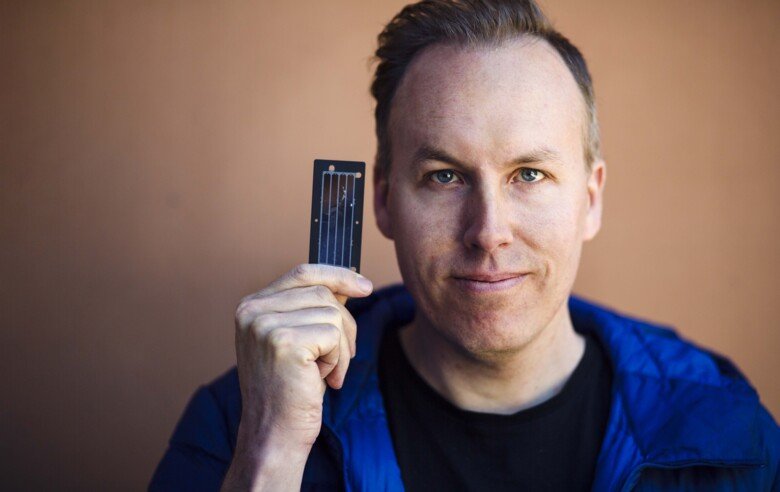 Photo: Martin Stenmark
He is a molecular codebreaker
Professor Rickard Sandberg was one of the scientists who initiated the single-cell revolution. Read an interview about his current research – solving the logic of life.
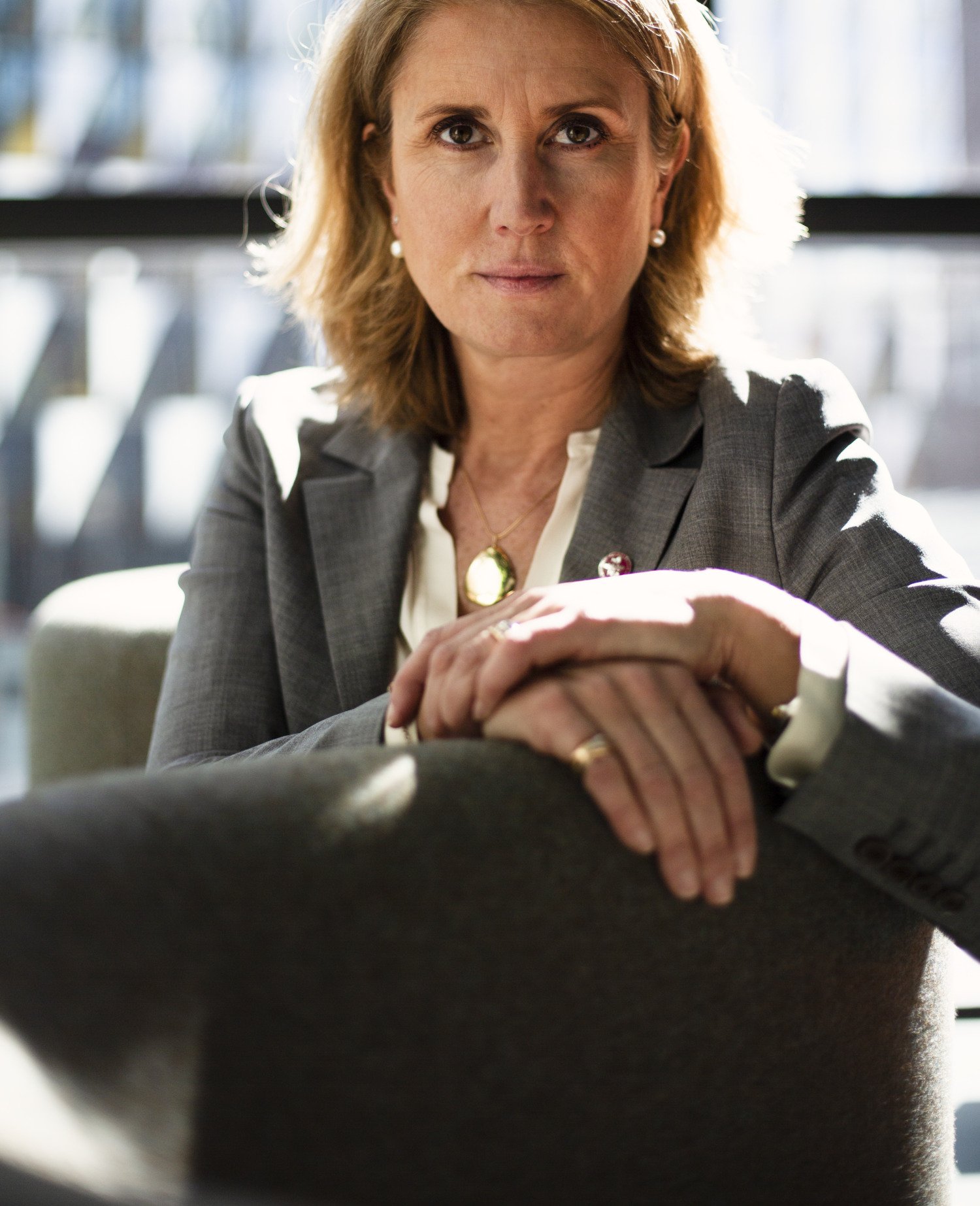 Photo: Martin Stenmark
Anna Martling counts every step to cure colorectal cancer
“As long as we are making progress, no matter how little, it gives me the strength to keep on working.” Surgeon and professor Anna Martling does not rest on her laurels: Now she is testing whether regular aspirin might be the next step to improve the prognosis in colorectal cancer.
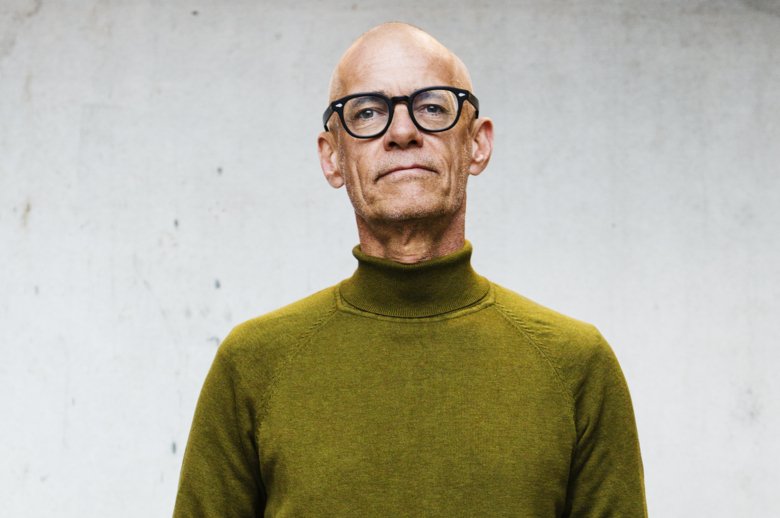 Photo: Martin Stenmark
Johan von Schreeb wants to create order in chaos
When others run away from bad things, Johan von Schreeb can be found dashing towards them. He has a wealth of experience in bringing order to chaotic situations – but as an administrator, he’s a complete disaster. Meet the professor who wants to control the health crises of the future.
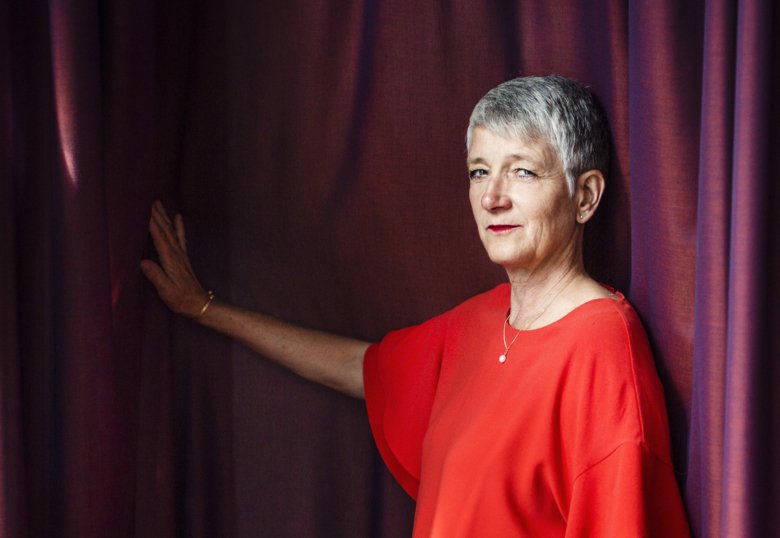 Photo: Martin Stenmark
Susanne Guidetti improves the lives of people with stroke
A humble ‘doer’ with vision. Professor and occupational therapist Susanne Guidetti wants to make life worth living for stroke victims. ‘I’ve learned that life can’t be taken for granted, but also that we can affect our situations much more than we think,’ she says.