
The Swedish Childhood Tumor Biobank
The Swedish Childhood Tumor Biobank (Barntumörbanken, BTB) is a national sample collection and research infrastructure, as well as a repository for genomic and molecular data that supports paediatric cancer research. It provides authorised researchers with access to high quality biological samples, along with linked metadata and analysis data.
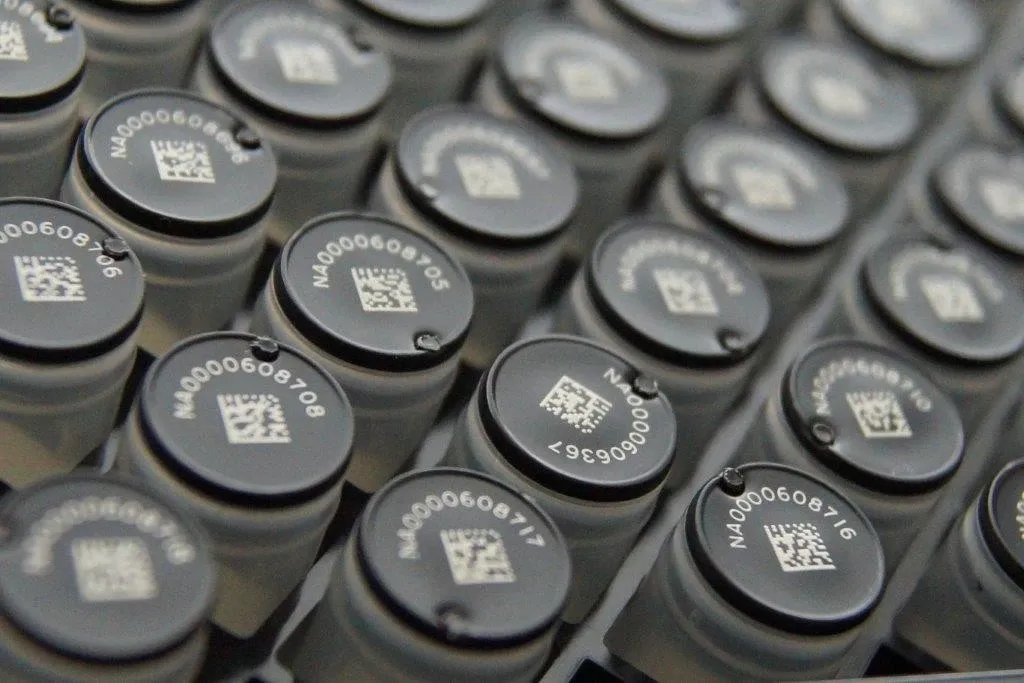
The sample collection includes all solid tumour diagnoses in children and is based at Clinical Pathology and Cancer Diagnostics at Karolinska University Hospital. The legally responsible biobank is Biobank Stockholm. Large-scale genomic and molecular analyses are conducted at SciLifeLab. The Swedish Childhood Tumor Biobank is funded by the Swedish Childhood Cancer Fund, and it’s main operations, core team, samples, and data are all based at Karolinska Institutet.
A national biobank for childhood tumours
The Swedish Childhood Tumor Biobank systematically collects, stores, analyses, curates and distributes biological material and associated data for research. Its aim is to improve understanding of disease mechanisms in childhood tumours and to contribute to improved diagnostics, treatment and care.
The biobank is a national collaboration involving:
- the six university hospitals and centres providing paediatric cancer surgery and care in Sweden (Stockholm, Uppsala, Lund, Linköping, Gothenburg and Umeå)
- the Swedish Childhood Cancer Fund, VCTB – the national care planning group for paediatric brain tumours, and VSTB – the national care planning group for paediatric solid tumours
With multicentre ethical approval, informed patient consent, national biobank agreements, and data withdrawal decisions in place, samples and essential linked information can be collected from the six pediatric oncology centres in Sweden and stored in the Swedish Childhood Tumor Biobank.
This comprehensive national collection of solid childhood tumours, together with associated analysis data, represents a valuable resource for medical research into childhood cancer.
Population based sample collection
After diagnostic tumour material has been secured at the local centre, any remaining tumour tissue, when available, together with relevant patient and sample information, is transferred to the Swedish Childhood Tumor Biobank in accordance with established logistical agreements.
- Biobank agreements are in place with all the relevant healthcare regions
- The project operates under an approved ethical permit
- Informed consent from the patient and/or parents is required for each sample
- Through extensive collaboration with participating pediatric oncology centres, approximately 90 per cent of all children diagnosed with cancer each year are included in the Swedish Childhood Tumor Biobank.
Collection and samples
The sample collection includes:
- Brain tumours and extracranial solid tumours in children, primarily as fresh-frozen samples, covering all relevant sampling time points (i e primary, relaps, metastasis)
- H&E-stained FFPE tumour sections (slides and/or images)
- Whole blood samples from pediatric patients with a solid tumour
- Cerebrospinal fluid in selected cases, including samples collected at multiple time points
- Isolated viable cells from tumour biopsies in selected cases, primarily brain tumours
- Blood samples from parents
The confirmed diagnosis accompanies each case and is documented together with basic patient details and sample information.
All samples are registered in the biobank’s laboratory information management system (LabWare LIMS), ensuring secure handling of sample information and full traceability of all biobank samples.
Data and analysis
Samples are prepared and analysed at the molecular level, primarily through comprehensive genomic, transcriptomic and epigenomic profiling, with proteomic analysis also increasingly applied:
- Whole genome sequencing, mainly using short-read protocols, with long-read methods increasingly being applied
- Whole transcriptomic sequencing, mainly using short-read protocols, with long-read methods increasingly being applied
- Methylation arrays
- High-throughput mass spectrometry
Samples and data are coded during analysis to prevent the identification of individual patients.
Sequencing is performed at SciLifeLab. The Swedish Childhood Tumor Biobank is responsible for research analysis, bioinformatic developments, data curation, structuring, and long‑term storage of generated data.
The biobank collaborates with the National Genomics Infrastructure (NGI): Genomics Applications Development at SciLifeLab, to develop bioinformatic workflows.
- The open source pipeline Sarek is used for tumour–normal whole genome sequencing data for short read protocol.
- Sarek is as to all WGS-data from the GMS Childhood Cancer project mentioned below. To have all data at The
- Swedish Childhood Tumor Biobank harmonised bioinformatically
- Results include somatic and constitutional variants such as SNVs, SVs and CNVs
- Appropriate pipelines are also used for WTS-data, as well as generated WGTS long read data
- All sensitive research data are securely stored, organised, and managed by authorised personnel
The Swedish Childhood Tumor Biobank have developed internal variant databases, as well as data portal with user-friendly interfaces that enable comprehensive linking and searchability across the wide range of data for each case.
Research and collaboration
Access to samples and analysis data for research projects is granted through a formal application process. This includes:
- Submission of an application to The Swedish Childhood Tumor Biobank, including a description of requested samples and/or data and their relevance for childhood cancer
- Scientific evaluation by the Scientific Prioritisation Committee
- Medicolegal review of requests for access to samples and/or data, as well as feasibility assessment by The Swedish Childhood Tumor Biobank
- Final decision by Stockholm Medical Biobank (for sample access) and/or by Karolinska University Hospital (for data access)
All projects must have adequate approval from the Swedish Ethical Review Authority.
The biobank also supports clinical studies by providing, for instance:
- Sample handling and storage
- Nucleic acid extraction
- Transport and logistical support
Additional collaborations are also welcome, where the biobank’s infrastructure and expertise can be utilised, for example in data curation and analysis.
Genomic Medicine Sweden
Since 2021, the Swedish Childhood Tumor Biobank has been closely involved in the clinical study Genomic Medicine Sweden Childhood Cancer (GMS Childhood Cancer), part of the national Genomic Medicine Sweden (GMS) initiative.
The study aims to enable comprehensive genome mapping of children with cancer in order to improve diagnostics, personalised treatment, follow‑up and access to clinical trials.
In spring 2024, Swedish regions assumed responsibility for ensuring that all children diagnosed with cancer are offered whole‑genome sequencing of both germline and tumour DNA at diagnosis. In many cases, whole transcriptomic sequencing of the tumour is also performed.
Within this initiative, the Swedish Childhood Tumor Biobank had a co-coordinating role, including partly shared responsibility for:
- Ethical approval and consent collection
- Management and reporting of funding from the Swedish Childhood Cancer Fund
- National study and data‑sharing agreements
- Study registry management and collection of WGTS-data, as well as storage of methylation array data
- Harmonisation and re-analysis of collected data, and long-term storage
- Processing of applications for access to GMS-data
- Release of data to authorised researchers
- Logistical support and sample‑handling
- Development of gene lists and participation in interpretation of genetic analyses
Both raw and analysed data have been stored at the biobank since 2021 as a part of the Swedish Childhood Tumor Biobank’s national research resource.
Applying for access to samples and data
Applications to the Swedish Childhood Tumor Biobank for access to samples and/or data require:
- A completed application form and relevant supporting documentation
- An approved ethical decision from the Swedish Ethical Review Authority
- For sample access: a biobank application to the Stockholm Medical Biobank
- For access to molecular genetic and/or patent data, an attached form or agreement is required.
- A project plan describing the research
Applicants are encouraged to contact the Swedish Childhood Tumor Biobank for an initial meeting prior to submitting an application, to ensure the requested variables are appropriate and to facilitate a smooth application process. The biobank will also review all applications to assess whether the scope of the proposed work aligns with its objectives, as well as the availability of relevant samples and data.
All applications are also assessed for scientific quality. Access is granted only when the proposed use is considered beneficial for children with cancer.
The Stockholm Medical Biobank makes the final decision on applications, including those involving samples, based on The Swedish Childhood Tumor Biobank’s recommendation.
For genetic data, a secrecy assessment (menprövning) is carried out by The Swedish Childhood Tumor Biobank, followed by a formal decision by Karolinska University Hospital
Samples and data may also be made available for patient care upon a request from the treating physician, using a simplified process.
Organisation
- Johanna Sandgren – Head of the Swedish Childhood Tumor Biobank, PhD, Karolinska Institutet and Karolinska University Hospital
- Gustaf Ljungman – National Clinical Lead, senior consultant and professor of paediatric oncology, Uppsala University
- Elisa Basmaci – Coordinator, biomedical scientist (BSc), Karolinska Institutet
- Teresita Díaz de Ståhl – Senior Research Specialist, associate professor (docent), Karolinska Institutet
- Gabriela Prochazka – Senior Research Infrastructure Specialist, PhD, Karolinska Institutet
- Katarzyna Zielinska‑Chomej – Laboratory Engineer, PhD, Karolinska Institutet
- Duohui Cao – Laboratory Engineer, BSc, Karolinska Institutet
- Arman Ardalan – Bioinformatician, PhD, Karolinska Institutet
- Praveen Raj Somarajan – Bioinformatician, MSc, Karolinska Institutet
- Jenny von Salomé – Project Coordinator, PhD, Karolinska Institutet
- Christopher Illies – Sample Collection Responsible, PhD, senior consultant and neuropathologist, Karolinska University Hospital
The Steering Committee is the decision‑making body for strategic planning of the biobank’s activities. It represents clinical specialties and researchers from all six university hospitals providing childhood cancer care in Sweden.As well as patient/family representatives.
The Chair is appointed by the Swedish Childhood Cancer Fund.
Members:
- Gustaf Ljungman, Chair
- Magnus Sabel, paediatric oncologist
- Magnus Borssén, paediatric oncologist
- Per Nyman, paediatric oncologist
- Alia Shamikh, neuropathologist
- Christopher Illies, neuropathologist, sample collection coordinator
- Sandra Wessman, paediatric pathologist
- Daniel Nilsson, neurosurgeon
- Pelle Nilsson, neurosurgeon
- Jakob Stenman, paediatric surgeon
- Vladimir Gatzinsky, paediatric surgeon
- Per Kogner, clinical translational researcher
- Peter Siesjö, clinical translational researcher
- Karin Forsberg Nilsson, basic scientist
- Anna Fahlgren, basic scientist
- Anders Valind, VSTB representative
- Karin Mellström, family representative
- Annelie Liljegren, family representative
- Pernilla Augustsson, research nurse, adjunct member
- Johanna Andrae, Swedish Childhood Cancer Fund, adjunct member
- Kleopatra Georgantzi, Swedish Childhood Biobank Registry (SCBR), adjunct member
- Tommy Martinsson, molecular geneticist, adjunct member
- Johanna Sandgren, head of the Swedish Childhood Tumor Biobank, adjunct member