Medicinsk, genetisk och molekylär avkodning av autism, adhd, språkstörning och andra utvecklingsneurologiska funktionsnedsättningar – Kristiina Tammimies forskargrupp

Vi bedriver både grundforskning och kliniskt inriktade forskningsprojekt för att bättre förstå utvecklingsneurologiska funktionsnedsättningar.

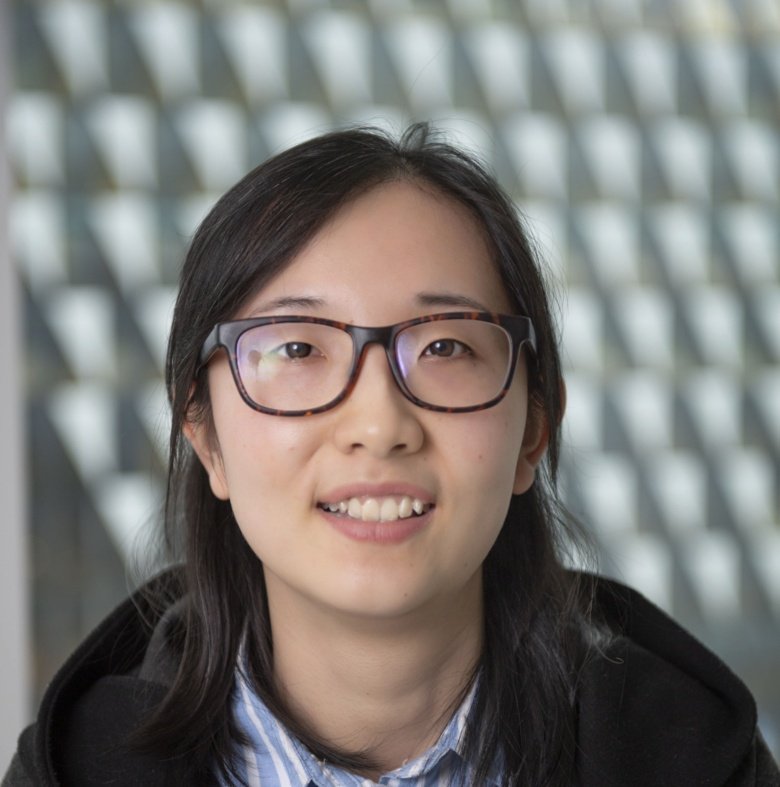
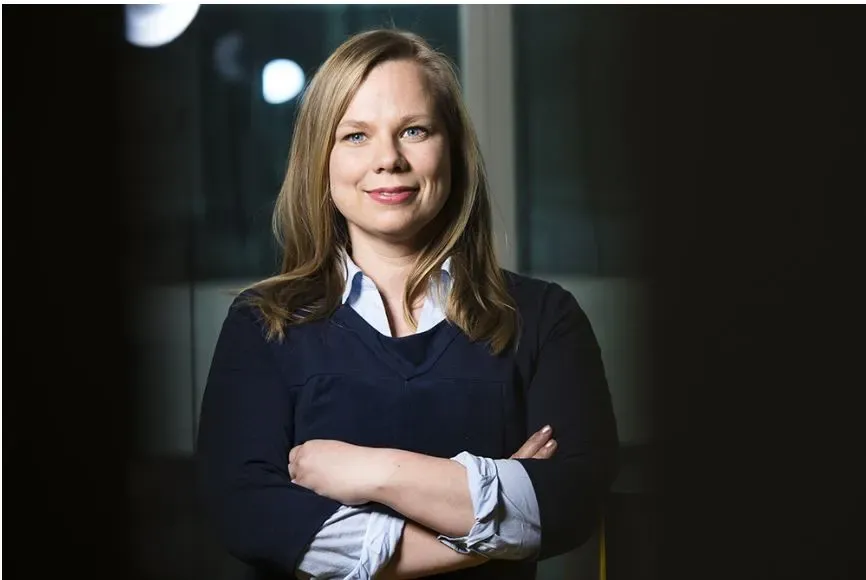
Kristiina Tammimies, Framtidens Forskning 2020, Johan Marklund.

Kristiina Tammimies forskargrupp

Vårt forskningsintresse är genetiken vid utvecklingsneurologiska funktionsnedsättningar. Vårt labb använder genomisk data för att fastställa samband mellan genetiska variationer och utvecklingsmönster kopplade till utvecklingsneurologiska funktionsnedsättningar. Genom att använda modeller som integrerar genetiska och kliniska data undersöker vi genetikens betydelse för utfallet av interventioner vid autism. Genom samarbete med autistiska individer och deras familjer undersöker vi hur man kan översätta genetisk forskning till klinisk praxis på ett sätt som möter behoven. Vi vill också förstå i vilken utsträckning klinisk genetisk testning används i den svenska hälso- och sjukvården.

Molekylära och cellulära modeller 

För att undersöka effekten av genetiska faktorer vid utvecklingsneurologiska funktionsnedsättningar så använder vi oss av 2D- och 3D-cellmodeller. Med denna banbrytande teknik kan vi utforska geners molekylära egenskaper, både oberoende och i samspel med miljöfaktorer. Resultatet hjälper oss att förstå mer om hjärnans utveckling vid utvecklingsneurologiska tillstånd och kan bidra till bättre kliniska resultat, utveckling av evidensbaserade interventioner och ökad livskvalitet för individer. 
Våra modeller kan leda till tidigare upptäckt av autism och adhd

Nyheter

Projekt

Forskningsprojekt

Publikationer

Utvalda publikationer

Alla gruppmedlemmars publikationer

Finansiering

Forskningsbidrag

  • Swedish Research Council
    1 January 2026 - 31 December 2029
    In eukaryotic cells, ~50% of the nucleus is filled with proteins and RNAs, many of which are closely associated with DNA. In exciting preliminary work, we discovered a new class of nuclear RNAs that form genome-wide, long-range contacts with DNA and mainly consist of intronic sequences. During neurodifferentiation, these trans-contacting intronic RNAs (TIRs) are produced from very long, neuronally expressed, protein-coding genes enriched in risk loci for neurodevelopmental disorders (NDDs). TIRs form an intricate localization pattern in the nucleus, which we hypothesize is critical for shaping the local and global 3D genome structure, as well as for coordinating gene expression in brain cells. Here, we tackle this hypothesis by first charting TIRs in neurons/glial cells differentiated from hESCs/iPSCs either from healthy donors or NDD subjects (Aim1). We then pioneer MARINDA for simultaneous all-way profiling of DNA and RNA contacts in single cells and apply it to reconstruct the 3D DNA-DNA, RNA-DNA, and RNA-RNA connectome in mouse brain cells (Aim2). Finally, we combine antisense oligonucleotide and genetic engineering techniques to silence selected TIRs or re-localize them within the nucleus and then measure the effects of these perturbations at the genetic, epigenetic, and phenotypic level in neurons (Aim 3). This project has the potential to establish a new fundamental role of nuclear RNAs in neurobiology and uncover new pathomechanisms for NDDs.
  • Swedish Research Council
    1 December 2025 - 31 December 2029
    Recent evidence shows that autistic people are at risk of severe and complex constellations of mental illness on a scale greater than previously known. Many develop at least two chronic psychiatric conditions by age 30. This psychiatric multimorbidity leads to high rates of psychotropic polypharmacy, increasing the risk of adverse health effects. However, evidence concerning psychiatric multimorbidity and polypharmacy in autistic people is scarce. We aim to investigate these outcomes in autistic people, mapping their risk factors, interplay with one another, and their association with subsequent health outcomes. Given the volume of diagnostic data required, registry data in Sweden offers the only feasible way to address these aims. Using synergistic methods, we will address three aims. First, we will triangulate novel genetically informative designs to identify genetic and non-genetic risk factors. Second, we will harness longitudinal data on mental health and prescriptions to explore the dynamic interplay of psychiatric multimorbidity and polypharmacy. Third, utilizing long-term follow-up in Swedish registers, we will explore their separate and combined impact on health outcomes, such as mortality. By providing methodologically rigorous new evidence on psychiatric multimorbidity and polypharmacy in autistic people, we will shift psychiatric research towards a more integrated approach to autistic people’s mental health, leading to improved care and outcomes.
  • Swedish Research Council
    1 January 2024 - 31 December 2026
    Preterm birth occurs in 6-12% of pregnancies globally. Intensive care of preterm infants has made major advance over the last decades resulting in dramatically increased survival rates for the most immature infants and a whole new generation of children entering school. While incidence of cerebral palsy decrease, the incidence of neurodevelopmental disorders including intellectual dysfunction, ADHD and autism spectrum disorder now increase and risks are related to immaturity at birth. In children born before 28 weeks´ gestation, two thirds eventually have neurodevelopmental impairments affecting their daily life and academic achievements. To improve outcomes, there is a need for identifying early signs of adverse brain development and to find effective early interventions.The overarching aim is to examine the relations between modifiable perinatal risks, family risk, brain development, neurodevelopment and neurodevelopmental outcomes in children born extremely preterm to improve early prediction and outcomes. In a randomized controlled study, we coach parents to support their preterm born infant´s development in the first year of life and then evaluate neurodevelopmental outcomes. Based on the study results and prediction models we plan to further individualize the intervention.
  • Swedish Research Council
    1 January 2024 - 31 December 2028
    Autism is a neurodevelopmental condition diagnosed in 1-2% of children. Hundreds of genes have been implicated in autism, but a relatively low percentage of autistic individuals have an identifiable single-gene cause for their condition. A combination of other genetic information, such as polygenic risk scores (PRS), is not used in clinical settings yet. Additional investigations are needed to improve the use of genetic information, such as using biological information to improve the genetics scores. Limited information on the effects of high PRS on molecular and cellular phenotypes in neural development. Here, we aim to estimate better how to use biological information such as gene ontology to calculate genetic risk scores from both common and rare variants in autism. We specifically hypothesize that these genetic scores calculated for genes encoding for RNA regulators are associated with co-occurring conditions and severity. Furthermore, we will obtain the multi-omic profiles of neural cells and cerebral organoids generated from induced pluripotent stem cells of carriers with high common RNA regulator PRS and compare these with already available single-gene cellular models. Lastly, we will use genomic and molecular data to identify putative drug targets for subgroups in ASD. Our project will hopefully lead to a better understanding of autism at the genetic and molecular level and improve the use of the data in clinical settings.
  • Swedish Research Council
    1 January 2024 - 31 December 2026
    ARID1B is the most frequently mutated single gene in neurodevelopmental disorders (NDDs) that are not inherited, with an approximated prevalence of one in 9,500 individuals. ARID1B-related disorder (ARID1B-RD) manifests in early childhood as moderate to severe developmental delay, and children and adults with the disorder have intellectual disability and are often diagnosed with autism alongside many other clinical signs. Despite ARID1B-RD’s high prevalence and extensive debilitating effects, the current understanding of how the disorder develops over time is strikingly limited. The proposed project will address this gap by employing a prospective longitudinal multi-method design. Specifically, we will monitor the development of 135 children and adolescents aged 2-18 with ARID1B-RD for 30 months. Monitoring will involve a) administration of standardized NDD assessments by clinicians complemented by caregivers’ reports
    b) evaluation of biological aspects of ARID1B-RD, and c) collection daily life data via caregivers’ reports, and auditory and activity data using microphones and smartwatches. The project team brings a diverse complementary skills and collaborates with leading patient advocacy organizations. The project will generate a comprehensive picture of the progression of ARID1B-RD. The generated data will allow identifying and validating measurable targets for interventions, thus facilitating the development of effective treatments for thousands of children worldwide.
  • Swedish Research Council for Health Working Life and Welfare
    1 January 2022 - 31 December 2025

Medarbetare och kontakt

Gruppledare

Alla medarbetare i gruppen