CoNFIND Cognition and Fatigue – Marika Möller's research group

Within the CoNFIND (Cognition, Neuropsychology, and Fatigue in Post-Infectious and Neurological Disorders) group, we conduct research on cognition, neuropsychology and fatigue in neurological disorders and post-infectuous conditions. By studying how brain function changes in the context of disease, we seek to increase understanding of symptoms, disease progression and opportunities for improved treatment and rehabilitation.

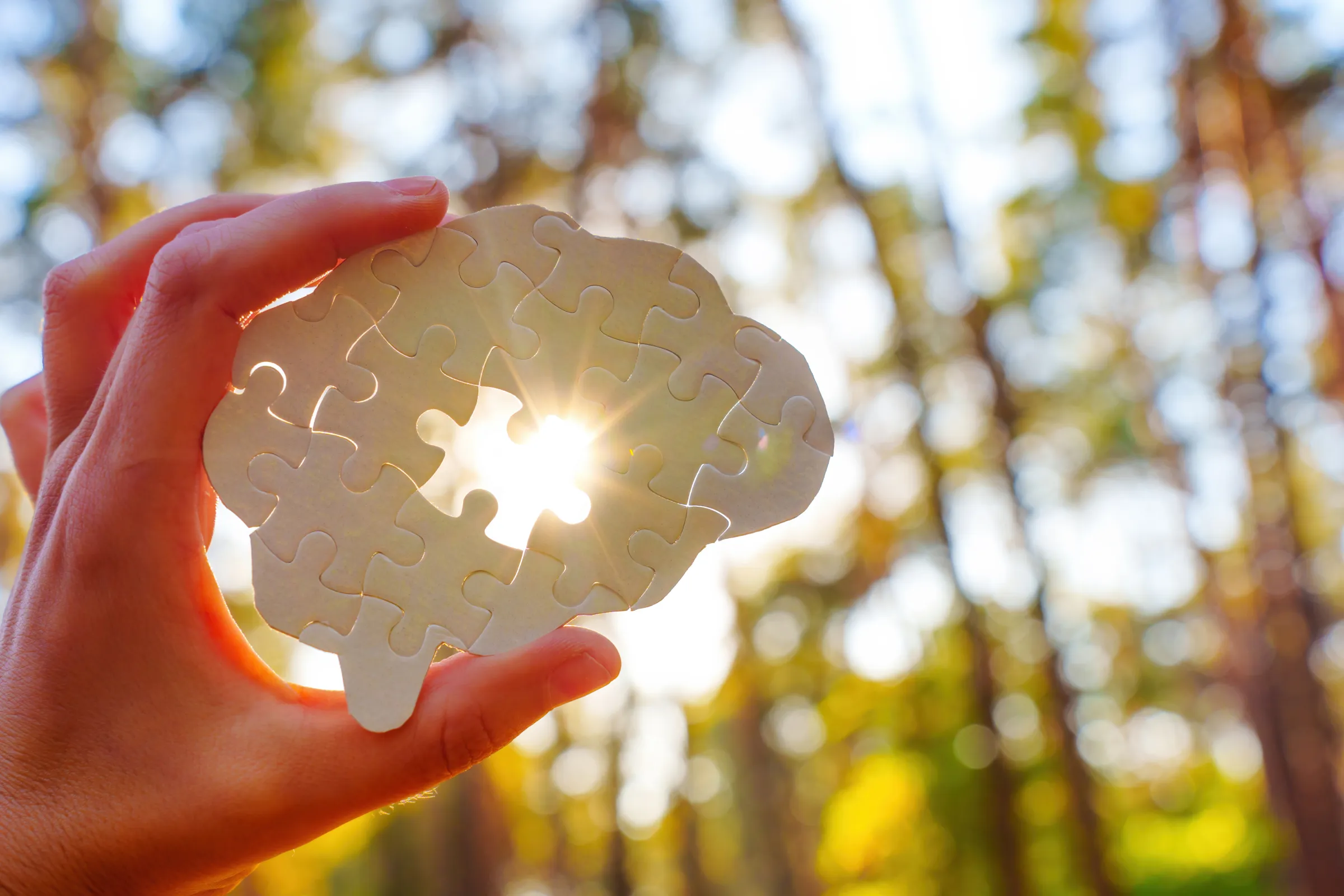
a picture of a brain

Our research encompasses both the assessment and rehabilitation of medical and neurological conditions.

The common thread is that the research covers various aspects of cognition, such as cognitive fatigue, language, time management, communication and the prediction of long-term outcomes following acquired brain injury.

Research projects

Post-infectious conditions and other medical conditions

Investigating cognitive function and fatigue in patients with long-term effects following a COVID-19 infection. The study also includes functional MRI, blood biomarkers, visual examinations and fundus photography.

eRehabCog

The study investigates the feasibility and effectiveness of a digital psychoeducational rehabilitation programme for patients with cognitive difficulties due to neurological conditions and post-COVID.

Cognition and fatigue in chronic pain

This study is a multicentre project in collaboration with Umeå University, in which patients with chronic pain undergo neuropsychological assessment, functional magnetic resonance imaging (fMRI) and analysis of blood biomarkers.

Training of executive functions using Goal Management Training (GMT)

This study is a multicentre project investigating the efficacy and user-friendliness of the GMT method in the rehabilitation of executive dysfunction, based on intensity level, diagnosis (brain injury, pain) and delivery method (group, individual, digital). The project also includes an evaluation of the implementation process for complex cognitive interventions such as GMT.

  • Principal Investigator: Gabriela Markovic
  • PhD student: Sofia Ryytty Stålnacke (Luleå University of Technology)

Time management in dementia/acquired brain injury

The studies form part of an international project involving Sweden, Japan and India, focusing on the assessment of time management and perception of time, as well as the evaluation of time-management aids for people with dementia. At a national level, the next phase of the study will focus on people with acquired brain injuries, involving the development and validation of assessment tools relating to the perception of time and time management in everyday life, as well as the development and evaluation of time-related interventions.

The Importance of Cognitive Reserve for Long-Term Outcomes Following Brain Injury

This PhD project aims to investigate how cognitive reserve influences outcomes following acquired brain injury in relation to symptoms, well-being, social participation and sick leave.

ReverseStroke

A major European collaborative project in which a digital medical technology solution is being implemented to restore mobility in the arm and hand following a subcortical stroke. The project at our clinic is being carried out in collaboration with COMPARES (Principal Investigator Susanne Palmcrantz) and aims to identify motor, sensory, cognitive and psychological variables that are prognostic for motor recovery of the arm and hand following a stroke.

Visual impairment resulting from brain injury, post-infection and other conditions with a direct or indirect impact on the brain

Investigates the functions and treatment options for eye movement and visual perception problems.

Brain imaging

In several of the projects involving cognition, and not least fatigue and its link to neural correlates, this work is carried out in close collaboration with Love Nordin, a PhD student affiliated with the Department of Neurobiology, Care Sciences and Society and a practising hospital physicist at Karolinska University Hospital.

Publications

All publications from group members

Staff and contact

Group leader

All members of the group

In the media

Podcast

The ability to manage one’s time may be impaired in people with, for example, neuropsychiatric disabilities, but also in those with dementia or brain injuries.

Occupational therapist and researcher Ann-Christine Persson has taken an interest in time management and the perception of time, as well as the evaluation of time management aids. The episode was published on 29 July 2026. 

How do we perceive time? Medicinvetarna, episode #204 (in Swedish)

UR Play

Having seen 800 patients at their post-COVID clinic over the past few years, researchers at KI have learnt more about post-COVID and how they can help those affected. These are often people suffering from ‘brain fog’ – that is, mental fatigue, memory problems and difficulties processing information.

“The patients who come to the clinic have usually been misunderstood elsewhere,” explains Kristian Borg, Professor of Rehabilitation Medicine at the Department of Clinical Sciences, Danderyd Hospital. Together with Marika Möller, Associate Professor of Clinical Neuroscience at the same department, they have investigated what characterises these patients and how best to help them.

Is it possible to recover from post-COVID? (in Swedish)