


Department of Clinical Sciences, Danderyd Hospital
The Department of Clinical Sciences, Danderyd Hospital, combines research and education in close collaboration with clinical care. Research is conducted across several medical fields, whilst we also provide undergraduate and postgraduate training for medical and physiotherapy students. The department runs an active doctoral programme with around 100 doctoral students, of whom approximately 10 are awarded their doctorates each year.
Menu for this area
Latest news
Calendar
Our researchers have the floor

With a passion for women’s health during different phases of life
Improving the quality of life for women is the aim of Helena Kopp Kallner’s work. Her research has already changed how women are treated across the world.
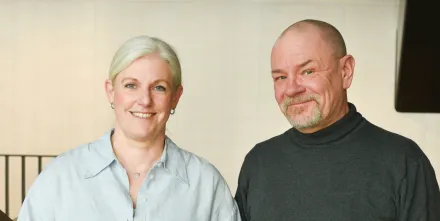
How do we perceive time?
The ability to manage one’s time may be impaired in people with neuropsychiatric disabilities, but also in those with dementia or brain injuries. KI DS researcher and occupational therapist Ann-Christine Persson has taken an interest in time management and the perception of time, as well as the evaluation of time-management aids. Listen to episode #204 of KI's podcast Medicinvetarna.
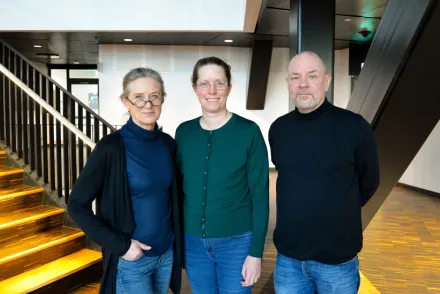
Feeling mentally exhausted after a stroke?
Up to 70 per cent of all stroke patients are at risk of experiencing brain fatigue, or fatigue, as a result of their stroke. This is a form of fatigue that cannot be relieved by rest and is not visible, but which can have a significant impact on quality of life. Researchers Alison Godbolt and Marika Möller discuss the concept of fatigue, its possible causes and what can be done to help those affected in episode #166 of Medicinvetarna.

He wants to MAX the benefits of AI
The 2023 AI Swede of the Year feels no need to be at the center of research. Yet that is exactly where he is. The orthopaedic surgeon and researcher Max Gordon was an early adopter of artificial intelligence. Now everyone else wants to know how to do it. Max Gordon is interviewed in Karolinska Institutet's magazine Medicinsk Vetenskap.
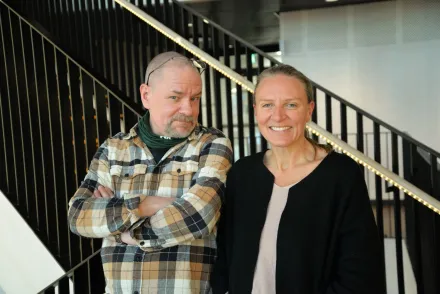
Do hormones control our mood?
Many women experience problems with their well-being during their periods. A small group experience such severe problems that they meet the criteria for PMDD, a condition that can be managed with treatment, but many never seek help. Listen to researcher and gynaecologist Helena Kopp Kallner set out the facts on this issue in episode #139 of KI's podcast Medicinvetarna.
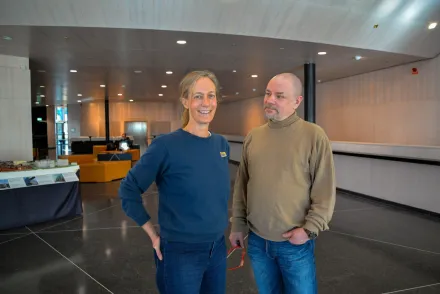
Is the pandemic over?
It has been over five years since the WHO declared the COVID-19 outbreak a pandemic. One person who was drawn into the thick of things at an early stage, both in terms of caring for patients and conducting research, is Charlotte Thålin. Her team started conducting COVID studies on healthcare staff early on, and the results have been vital to the authorities throughout the pandemic. In episode #116 of Medicinvetarna, Helena Hervius Askling also answers a listener’s question: How many lives have the COVID-19 vaccines saved?
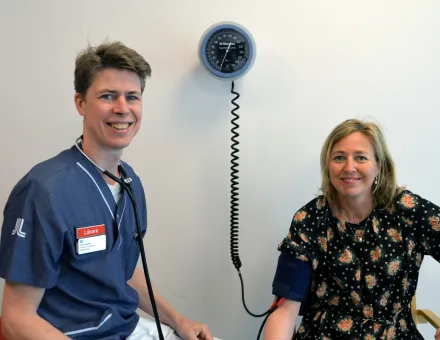
Are you keeping an eye on the (blood) pressure?
One in two over the age of 60 has high blood pressure, and half of them are unaware of it. This means an increased risk of a range of other conditions, such as stroke and heart attack. Jonas Spaak recommends regular blood pressure checks and preventive lifestyle changes, such as a healthier diet. For those who don’t like drinking beetroot juice, rocket can be a good alternative. Listen to Jonas Spaak in episode #94 of KI's podcast Medicinvetarna.

How do you feel after having COVID-19?
A few of those contracting the coronavirus become so ill that they need intensive care. How do they get on afterwards? Kristian Borg, a professor of rehabilitation medicine, talks about the road to recovery after Covid-19 in episode #43 of Medicinvetarna.
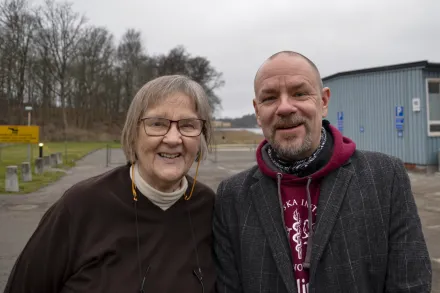
Who is prone to burnout?
Burnout is not caused by stress. It is caused by a lack of recovery. Professor Emerita Marie Åsberg put burnout on the research map in the 1990s. Listen to a conversation with one of the world’s leading experts on how to avoid hitting the wall in Karolinska Institutet's podcast Medicinvetarna, episode #36.
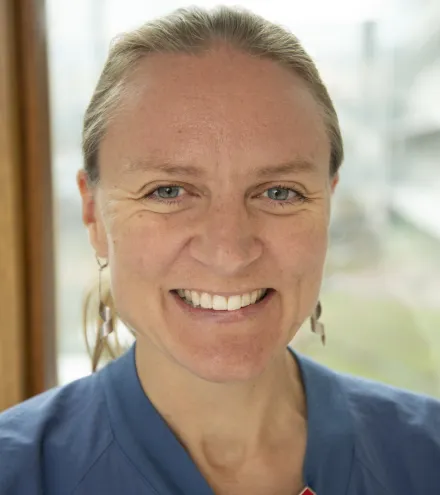
Is it possible to stop having periods?
75 per cent of all women experience problems to varying degrees in connection with their periods. Many can find relief by taking the contraceptive pill, and the fact is that nowadays you don’t have to have a period if you don’t want to. Listen to Helena Kopp Kallner in episode #11 of Karolinska Institutet's podcast Medicinvetarna.

For staff at KI DS
Find news, calendar events, operating info, as well as information and tools to help you perform day-to-day tasks more efficiently. Log in with your KI ID and find tailored information based on your organisational affiliation, as well as updates about what is going on at the university.
 Photo: Sofia Lindberg
Follow KI DS on Instagram
At karolinskainstitutet_kids, we post information about what’s going on at KI DS.