

Researchers and academic life
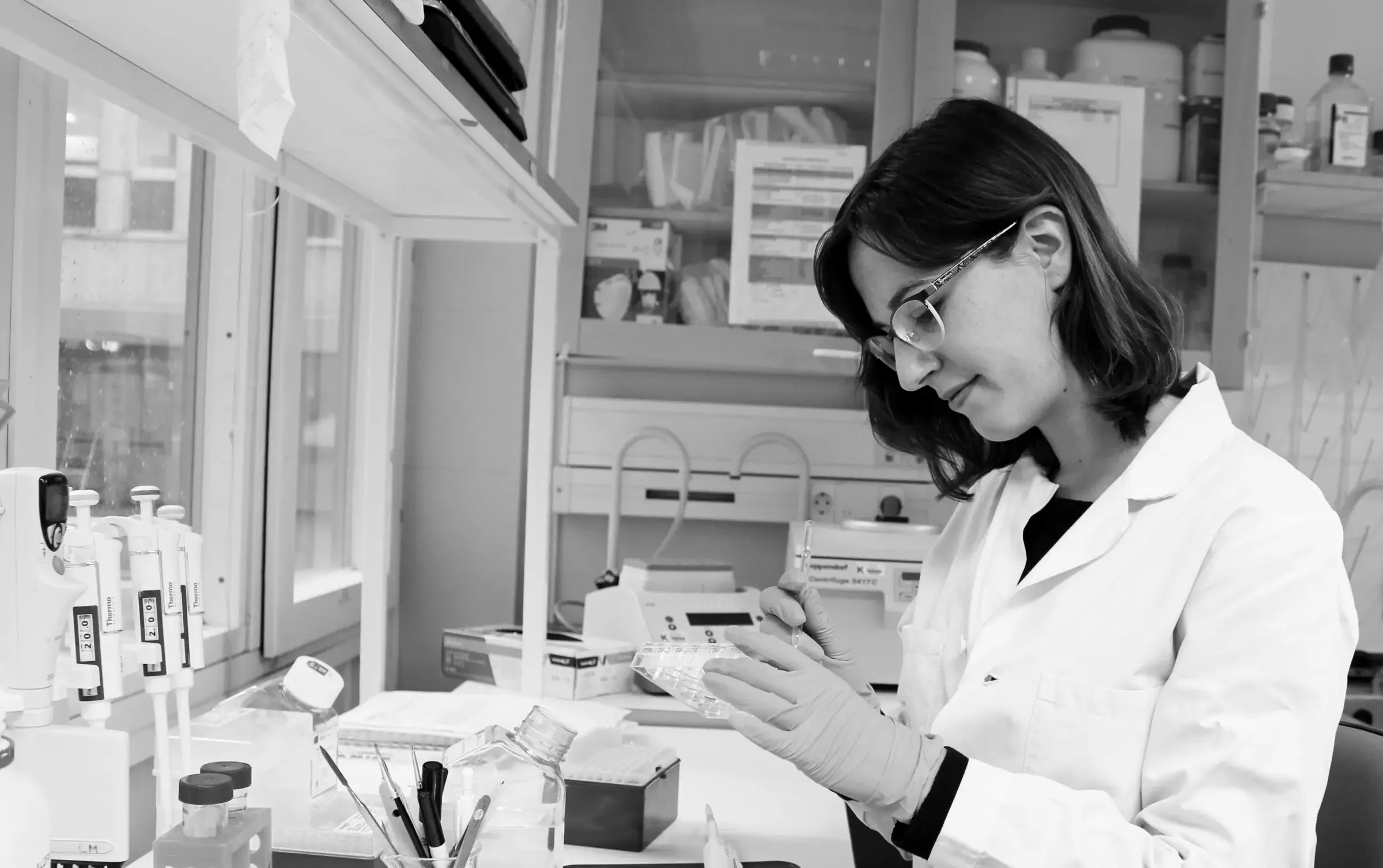
Karolinska Institutet employs approximately 3,000 researchers, including around 420 full professors. The university hosts more than 2,200 doctoral students. Moreover, the university has many affiliated researchers, such as clinically active researchers or visiting scholars. A large number of our researchers come from countries other than Sweden, and the working language in many research groups is English.
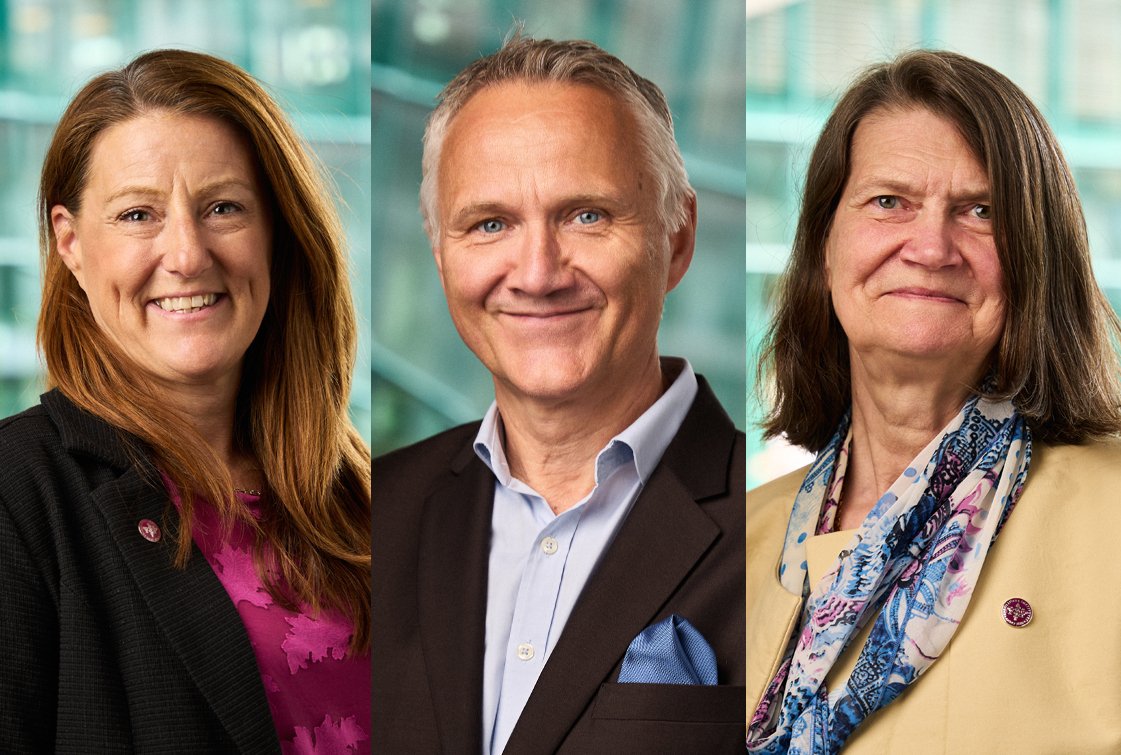 Photo: Christian Gustafsson och Erik Flyg
A stronger collegial leadership takes office
From 1 July, new leaders and faculty representatives will take up their posts on the Faculty Board and its committees. This is part of a series of organisational changes aimed at clarifying responsibilities and fostering greater engagement in the university’s collegial governance.
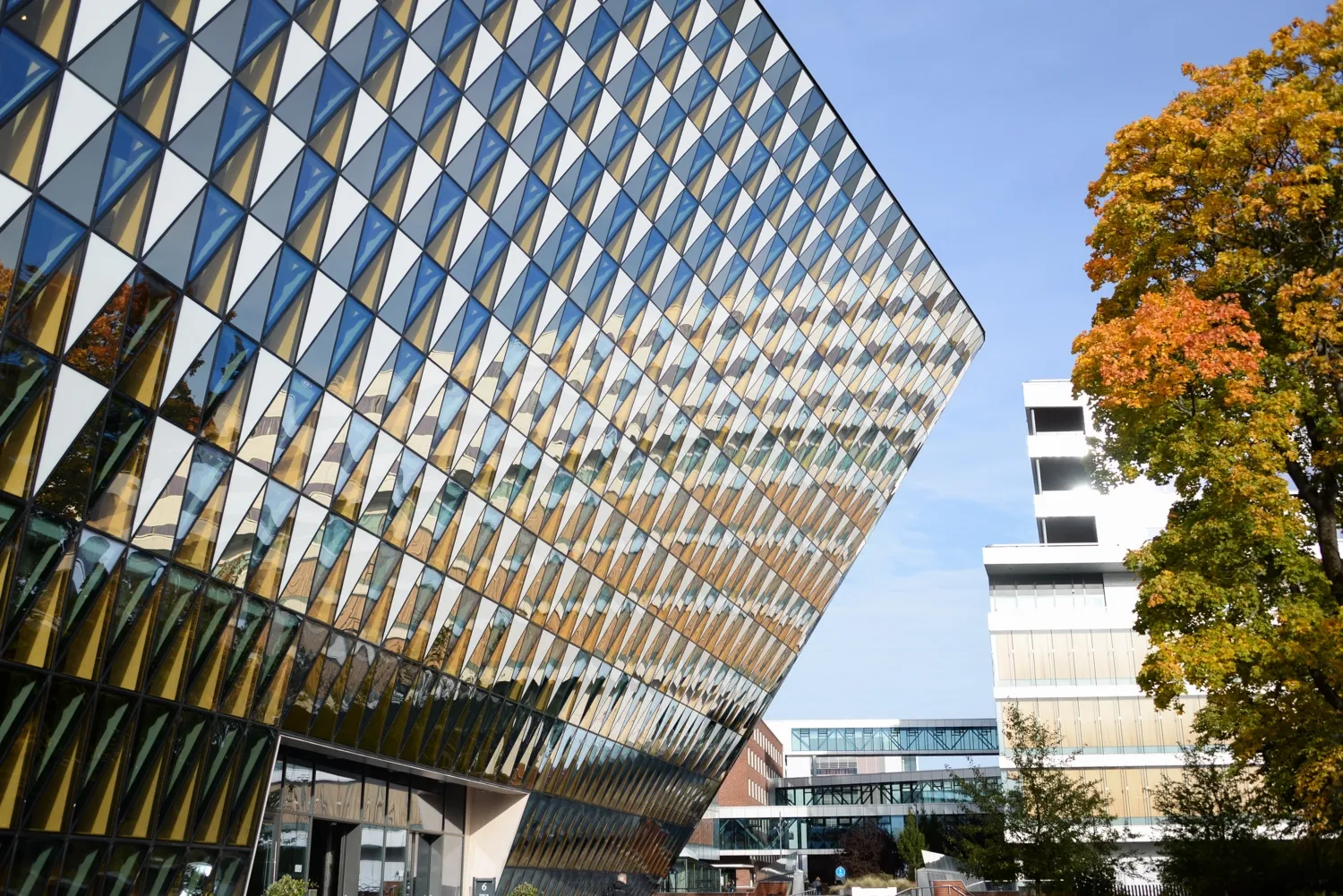 Photo: Andreas Andersson
Record results also for KI’s second international recruitment drive
Karolinska Institutet’s international recruitment drive for 21 Assistant Professors has once again attracted a great deal of global interest. A total of 2,035 applications from 1,171 unique applicants have been received from 81 countries. The results confirm KI’s strong appeal amongst the world’s most promising young researchers.
 Photo: Liza Simonsson
Why become a researcher at KI?
Academic freedom and work-life balance are two aspects that attract many researchers and lecturers to Sweden and Karolinska Institutet. As a researcher here, you will have the right to commercialise your research, and even get support from the university in doing so. Find out more about the many benefits of working at KI.
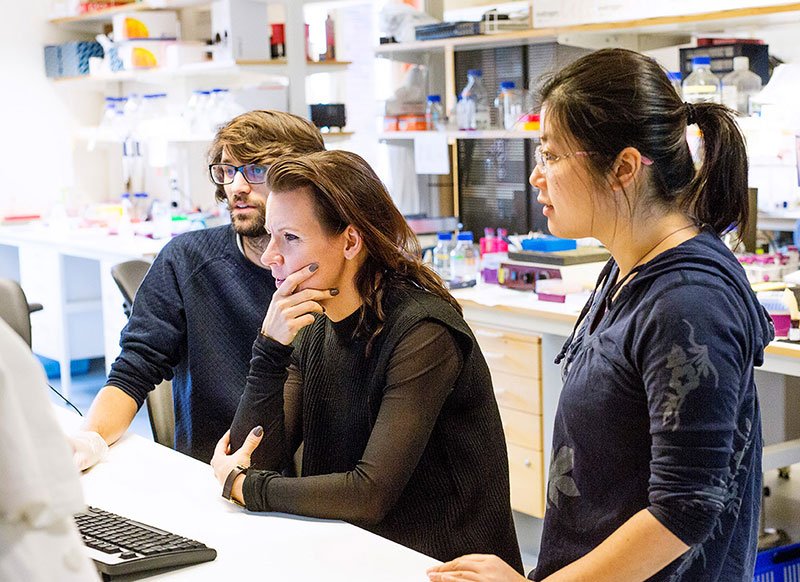 Photo: Gustav Mårtensson
Career opportunities at KI for researchers
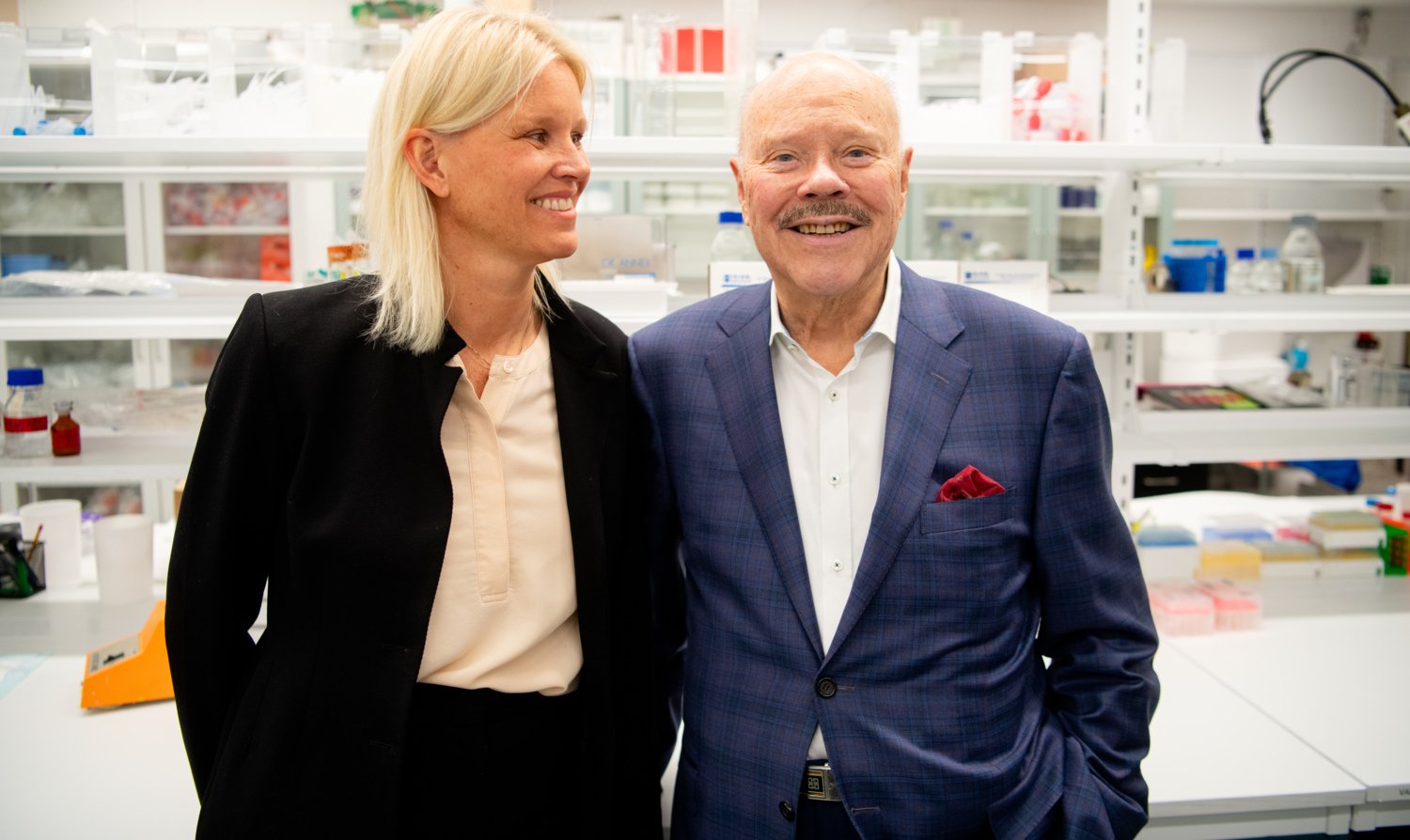 Photo: Erik Cronberg
KI receives a half‑billion donation to boost dementia research
Entrepreneur and inventor Leif Lundblad (1938–2025) has bequeathed SEK 538 million to Karolinska Institutet, the largest donation ever to have been made to a Swedish university in modern times. Much of the sum will go towards research on dementia diseases.
 Photo: -
She is the director of KI’s research infrastructure organisation
Karolinska Institutet has appointed Professor Karin Dahlman-Wright as director of KI’s new research infrastructure organisation, RIKI, with effect from 1 April. RIKI provides the tools, methods, technologies and networks that researchers need in their work.
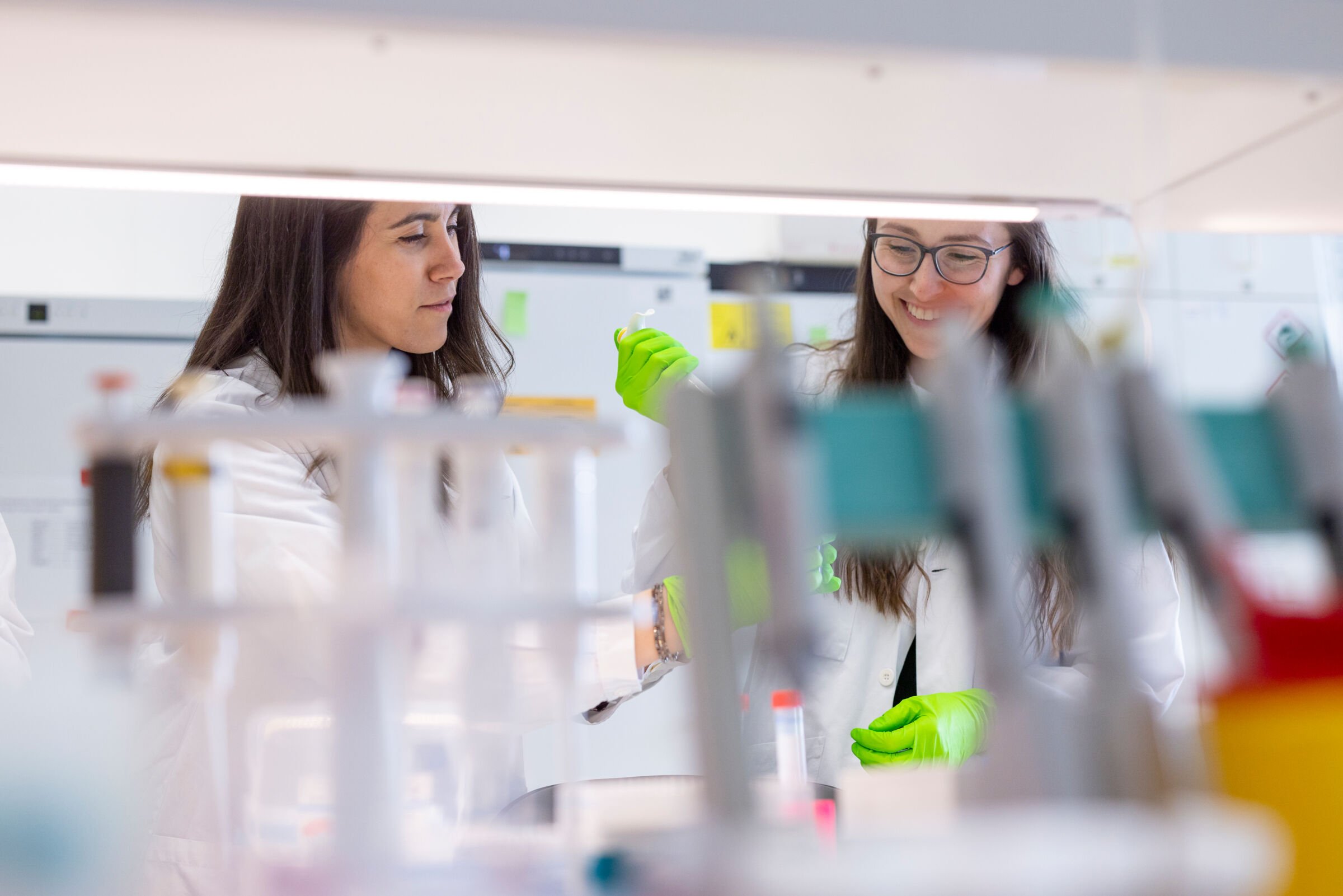 Photo: Liza Simonsson
KI joins CoARA to improve research assessment
CoARA (Coalition for Advancing Research Assessment) is led by a number of EU organizations with the aim of advancing how research is assessed in order to maximise its quality, transparency and impact. KI has now signed the agreement together with a number of other Swedish universities.
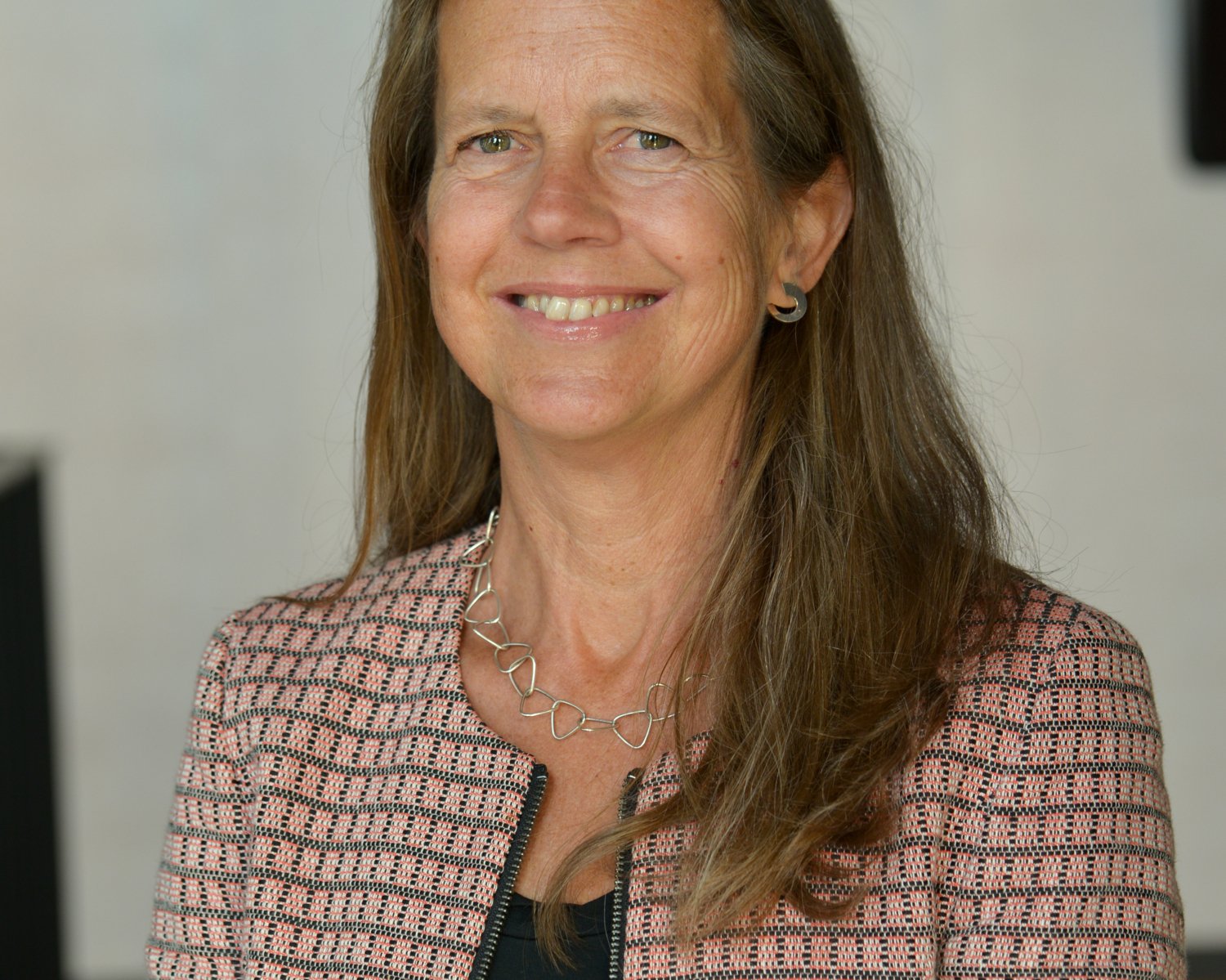 Photo: Andreas Andersson
New scientific representatives at Karolinska Institutet
Karolinska Institutet has its new scientific representatives in place. They assumed their roles in February and provide support and guidance to researchers at all career stages on matters related to research ethics, good research practice, and the handling of suspected deviations.
 Photo: Karolinska Institutet Postdoc Association
Karolinska Institutet Postdoc Association (KIPA)
Considering a postdoctoral position at KI? KIPA is dedicated to enriching the postdoctoral experience at KI by improving working conditions, fostering networking opportunities, and advocating for postdocs. Contact them for advice, support, and new connections.
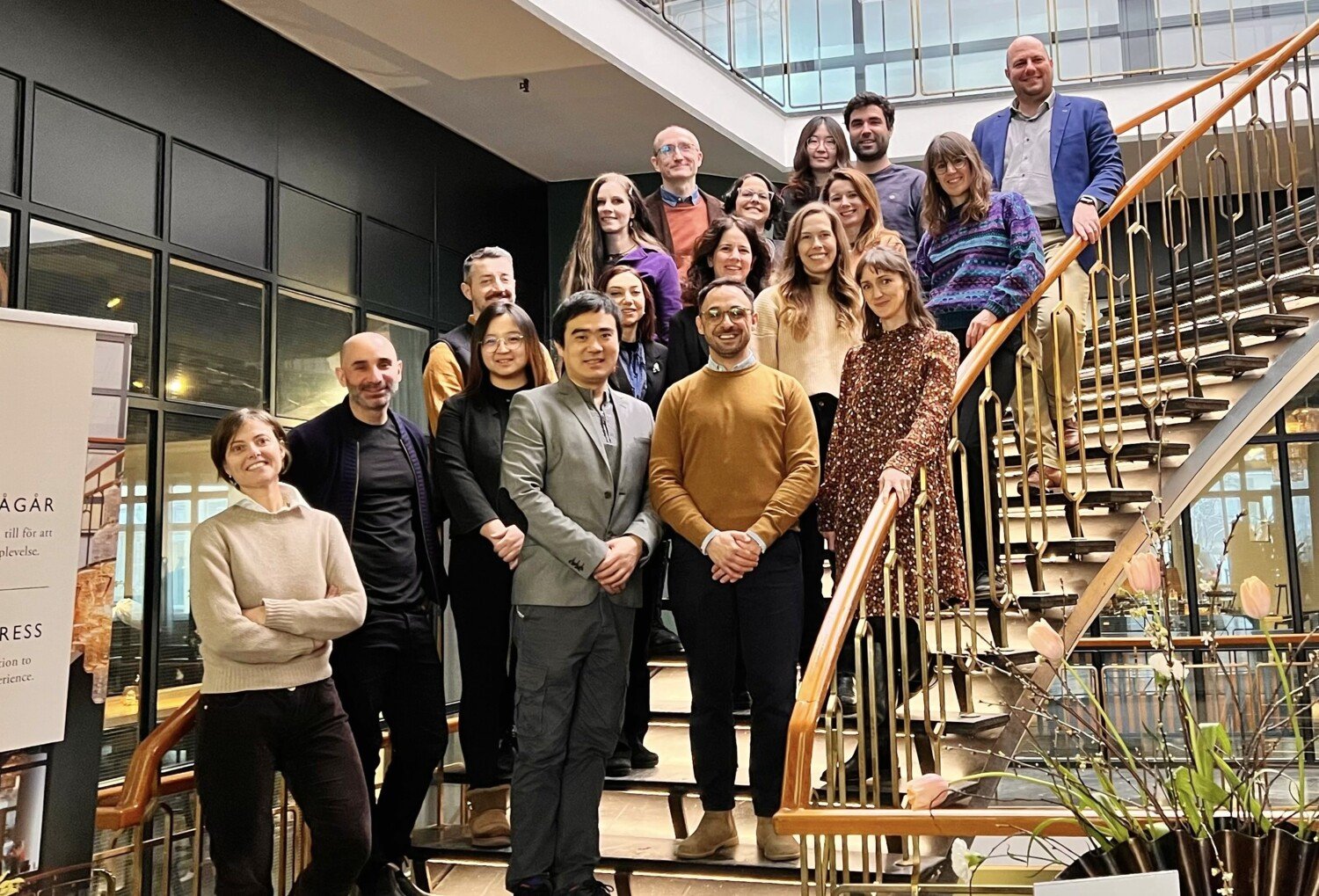 Photo: vet ej
Junior Faculty at KI
Junior Faculty is an organisation for KI researchers with a PhD but not yet a permanent academic position. Their goal is to enhance career development through engagement with KI leadership and support for junior faculty.
 Photo: Volodymyr Hryshchenko
Researcher blogs
This blog is run by a team of doctoral students, postdoctoral researchers, alumni, and staff from the Career Service at Karolinska Institutet. Its purpose is to provide an inside perspective on life as a researcher.
 Photo: Fredrik Persson
Celebrating our new professors
On Thursday 8 October 2026, 21 new professors are to be inaugurated at Karolinska Institutet in solemn forms in Aula Medica. In addition, we give our new adjunct and visiting professors a warm welcome, and honour recipients of several academic awards. The professors' installation ceremony is one of the highlights of the academic year.
KI Research Incubator
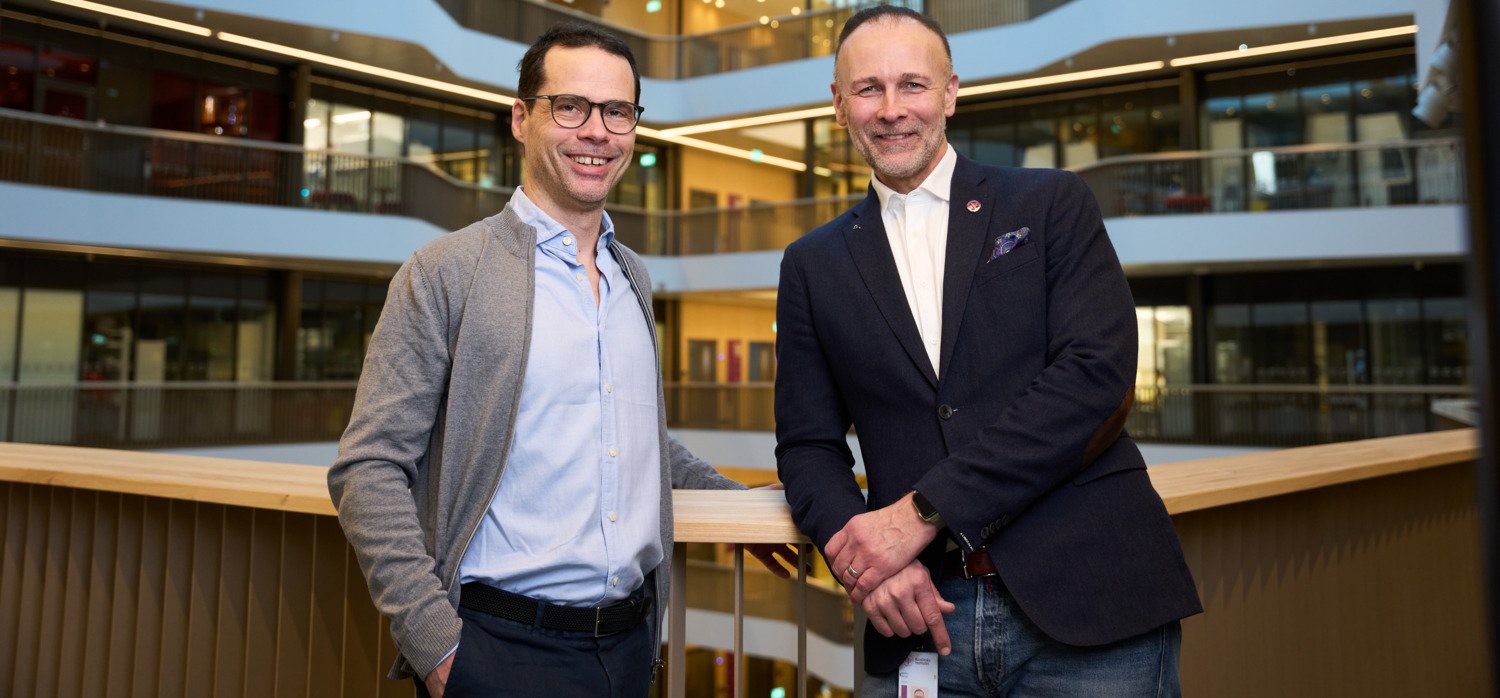 Photo: Erik Flyg
Martin Bergö: A workshop for future research breakthroughs
The Karolinska Institutet Research Incubator (KIRI) is where young researchers meet each other across disciplines and in the collaborations that arise, the foundations for pioneering research breakthroughs are laid. After the four years of its existence, KIRI is now seeing its first cohort of KIRI Fellows.
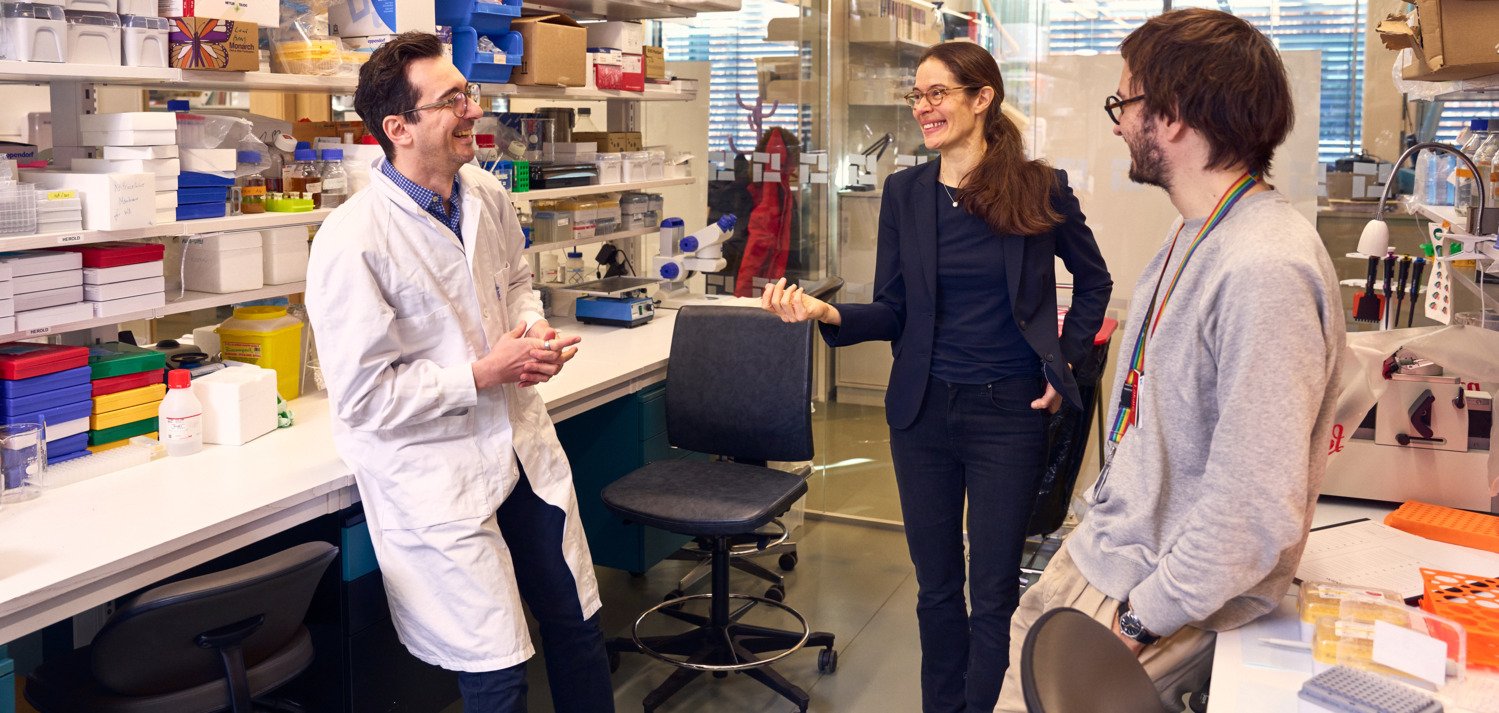 Photo: Erik Flyg
Hanna Brauner: We’ve had a frank and sincere discussion climate
Clinical researchers Drs Hanna Brauner and Nikolas Herold appreciated collaborating as research leaders on equal terms, because it gives the best ideas the greatest room to flourish. Their project via KI's research incubator has the potential to improve the treatment of skin (cutaneous) lymphoma.
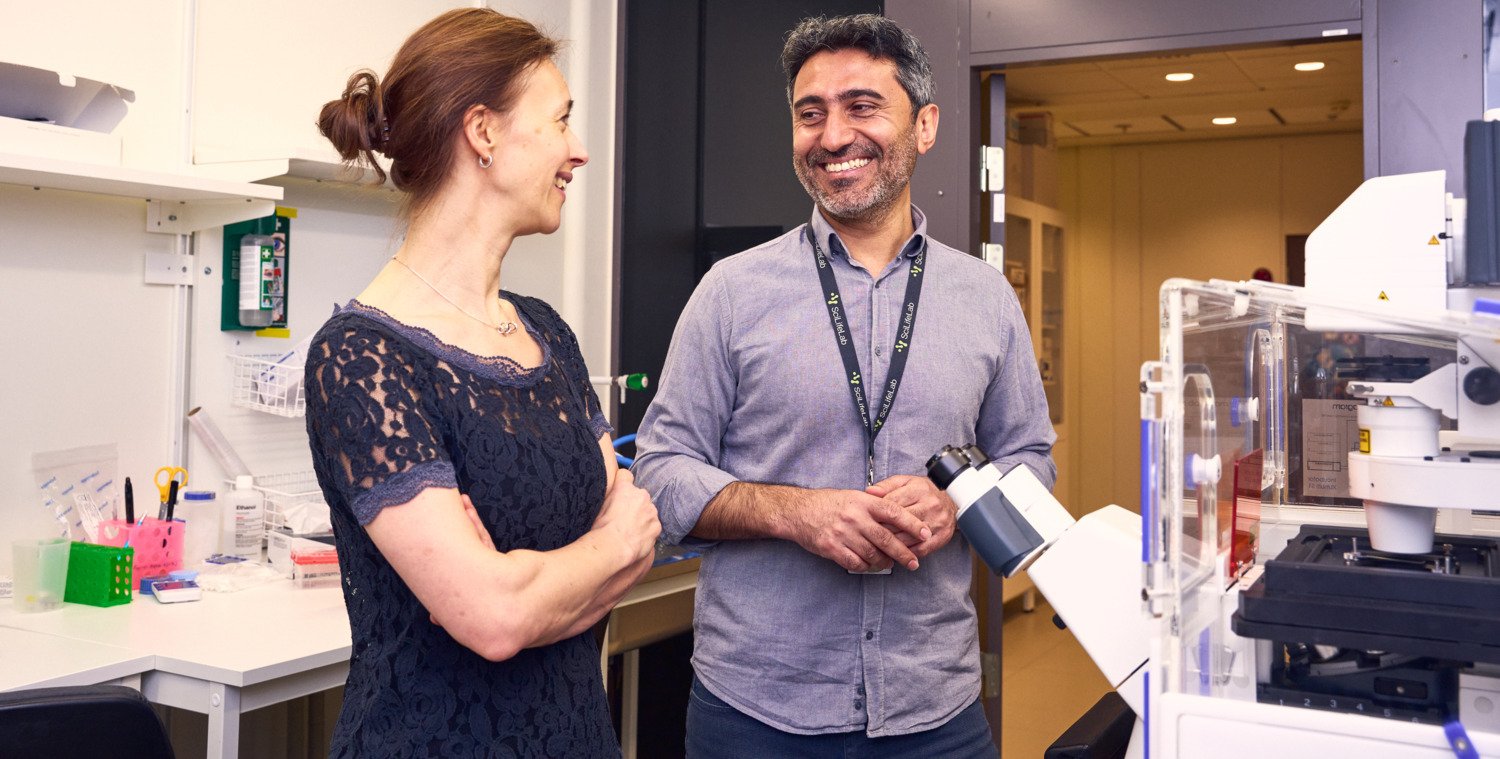 Photo: Erik Flyg
Erdinc Sezgin: The real outcome is next generation of researchers
In the intersection between the two KIRI fellows Claudia Kutter’s and Erdinc Sezgin’s research fields, new knowledge emerged about a rare genetic disease. Today, the two research groups collaborate closely, and both leaders point up the important role played by postdocs.
 Photo: GettyImages.
More about KIRI
Karolinska Institutet aims to be a pioneering university. As part of this ambition, we have established the KI Research Incubator (KIRI), an energising platform dedicated to empowering emerging researchers and to foster a culture of innovation and cross-disciplinary partnerships.
Latest news on academic awards and ceremonies at KI
Search research information
The search service is based on KI RIMS, a system that collects information about KI’s researchers, publications, grants and research groups.