

Assistant Professor recruitment programme 2026
Karolinska Institutet continues to grow a global community of excellence. In summer 2026, KI is inviting applications for 21 Assistant Professor positions in medicine and health. We are once again looking for outstanding early-career scientists across a wide range of research areas to join us.
We offer generous start-up funding, a pathway to a permanent Senior Lecturer position, world-class research infrastructure, and more.
APPLICATIONS ARE NOW CLOSED.
 Photo: Erik Flyg
 Photo: N/A
Process and key dates for the Assistant Professor recruitment call
Application period: 1 June – 31 August 2026
Assessment process: September 2026 – January 2027
Planned starting date: 2027
For general inquiries about the application process, please contact academic-appointments@ki.se
Positions in basic sciences
Assistant Professor in Biomedical Science
Assistant Professor in Cell and Molecular Biology
Assistant Professor in Experimental Translational Medicine
Assistant Professor in Infection and Immunity or Metabolism, Liver Disease, and Nutrition
Assistant Professor in Immuno-Oncology
Assistant Professor in Inflammatory Diseases
Assistant Professor in Microbiology focusing on Bacteriology
Assistant Professor in Precision Medicine
Assistant Professor in Neuroscience
Assistant Professor in Pharmacology
Assistant Professor in Reproductive Systems Biology
Assistant Professor in Tumour Biology
Positions in clinical sciences and public health
Assistant Professor in Clinical Oral Sciences
Assistant Professor in Clinical Therapy Research
Assistant Professor in Data-Driven Cardiovascular Medicine
Assistant Professor at the Department of Clinical Science, Intervention and Technology
Assistant Professor in Environmental Medicine
Assistant Professor in Epidemiology or Biostatistics
Assistant Professor in Mental and Sexual Health
Assistant Professor in Older Adults' Health
Assistant Professor in Psychiatric Pharmacoepidemiology
Meet some of our assistant professors
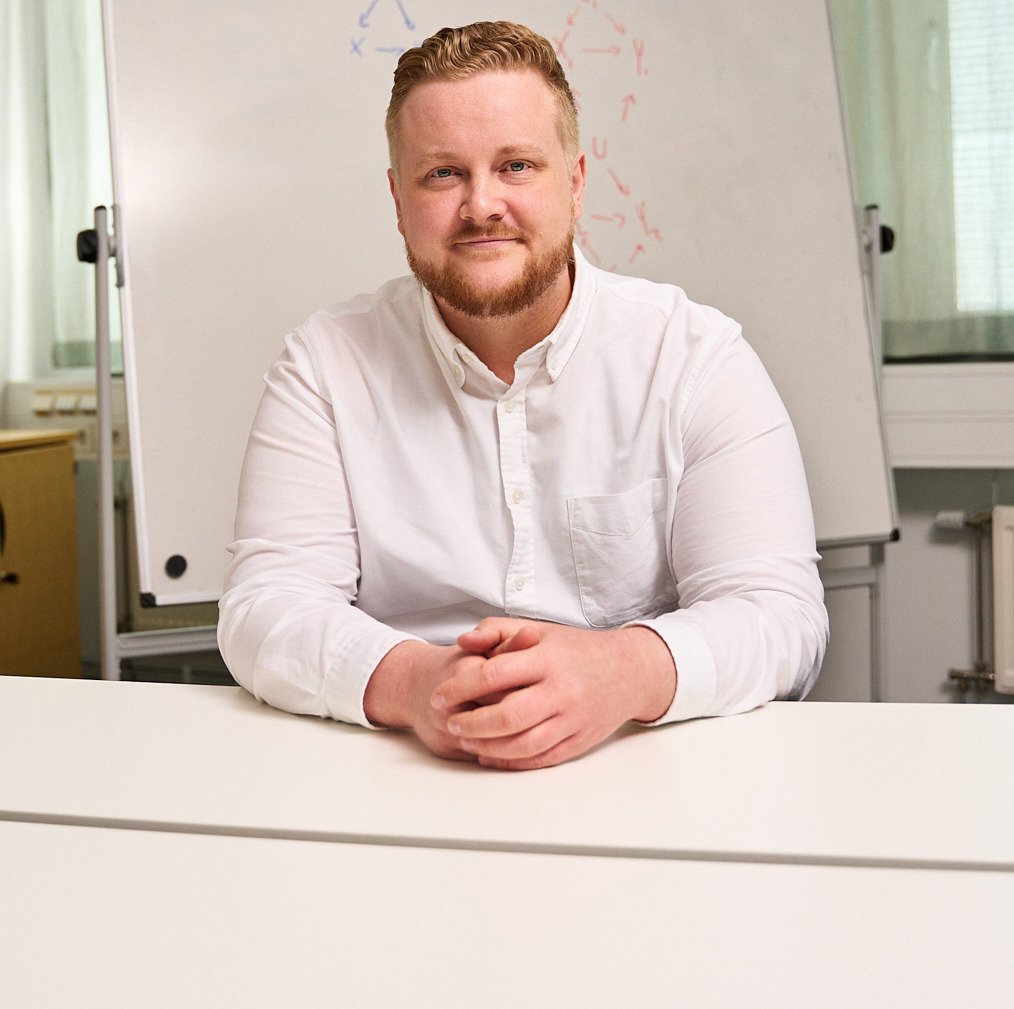 Photo: Erik Flyg
Using large-scale data to improve pregnancy drug safety
Viktor H. Ahlqvist is an Assistant Professor at the Department of Medical Epidemiology, having joined in 2026 after previous research at Aarhus University in Denmark. His work focuses on pregnancy drug safety—an area where evidence is often lacking.
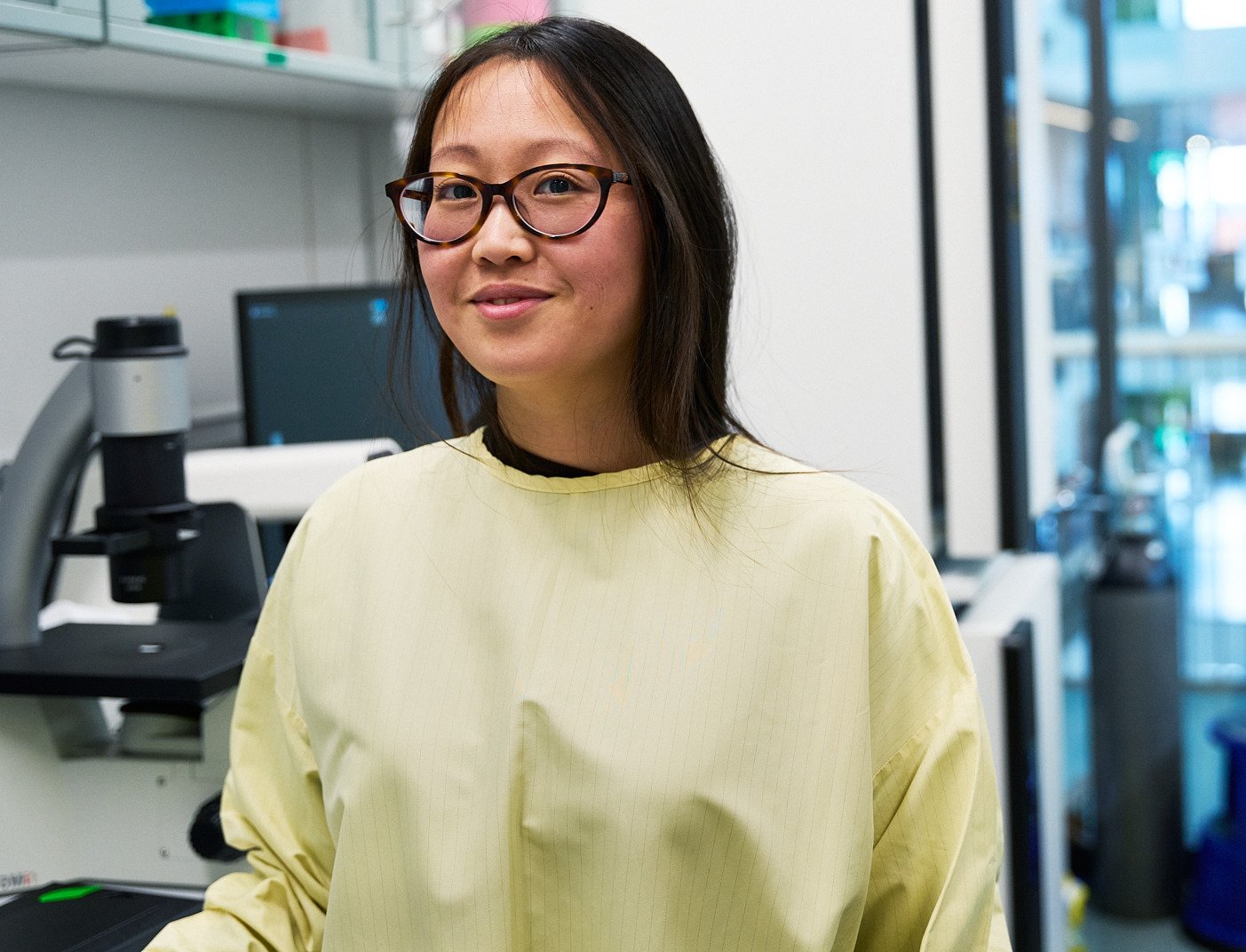 Photo: Erik Flyg
Driven by a long-standing fascination for how cells acquire identity
Amanda Andersson Rolf is a stem cell and organoid researcher and Assistant Professor at the Department of Medical Biochemistry and Biophysics, where she started her role in early 2026. With a research journey spanning Cambridge, Vienna and Utrecht, she has built deep expertise in organoids, genome engineering and cell identity.
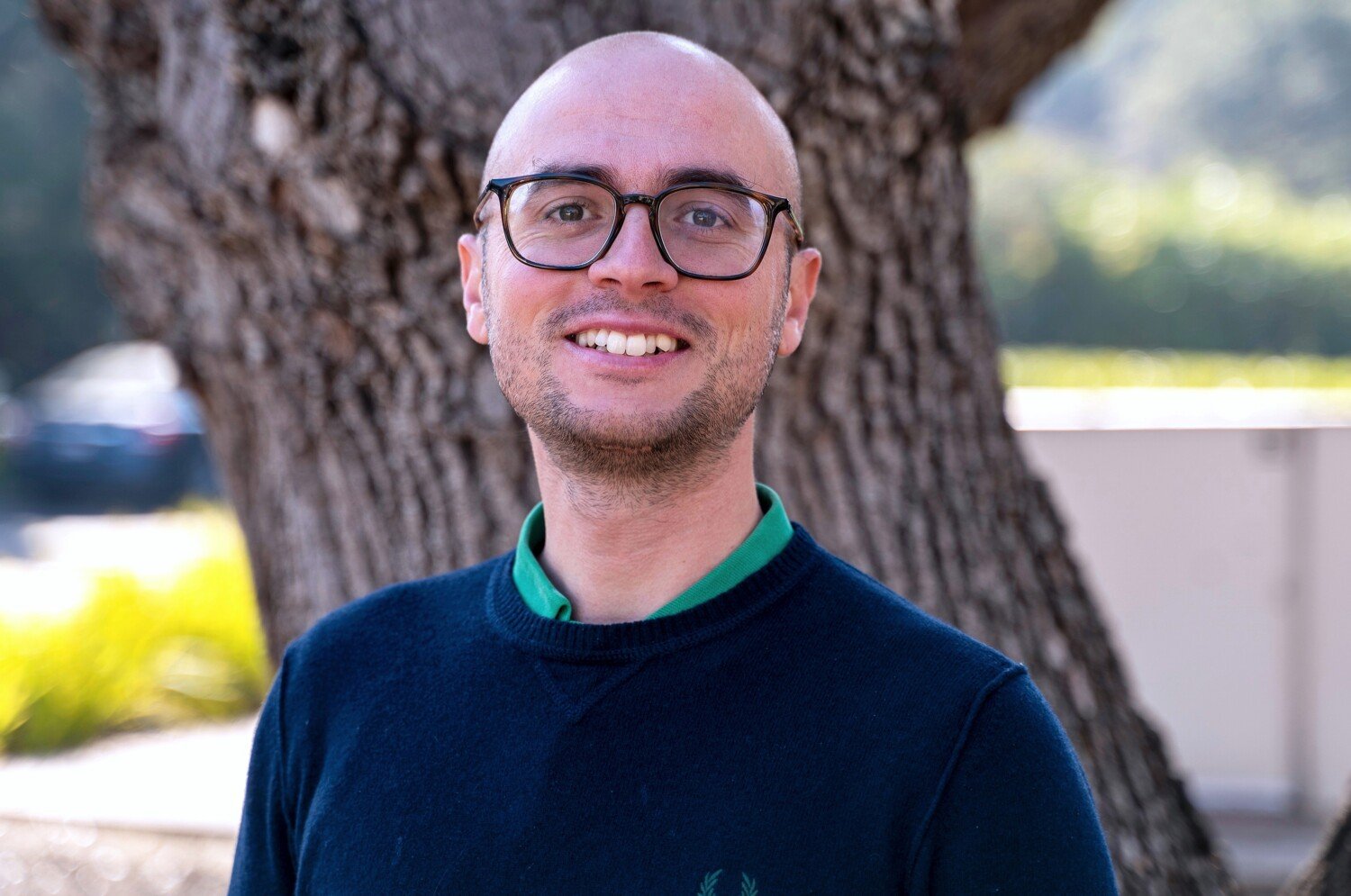 Photo: Clinton Louie
Choosing a research environment closely integrated with the clinical world
Giuseppe Barisano will join the Department of Neurobiology, Care Sciences and Society as an Assistant Professor in November 2026. Originally from Italy and currently based at Stanford University, his research combines neuroimaging and multi-omics to better understand neurodegenerative diseases.
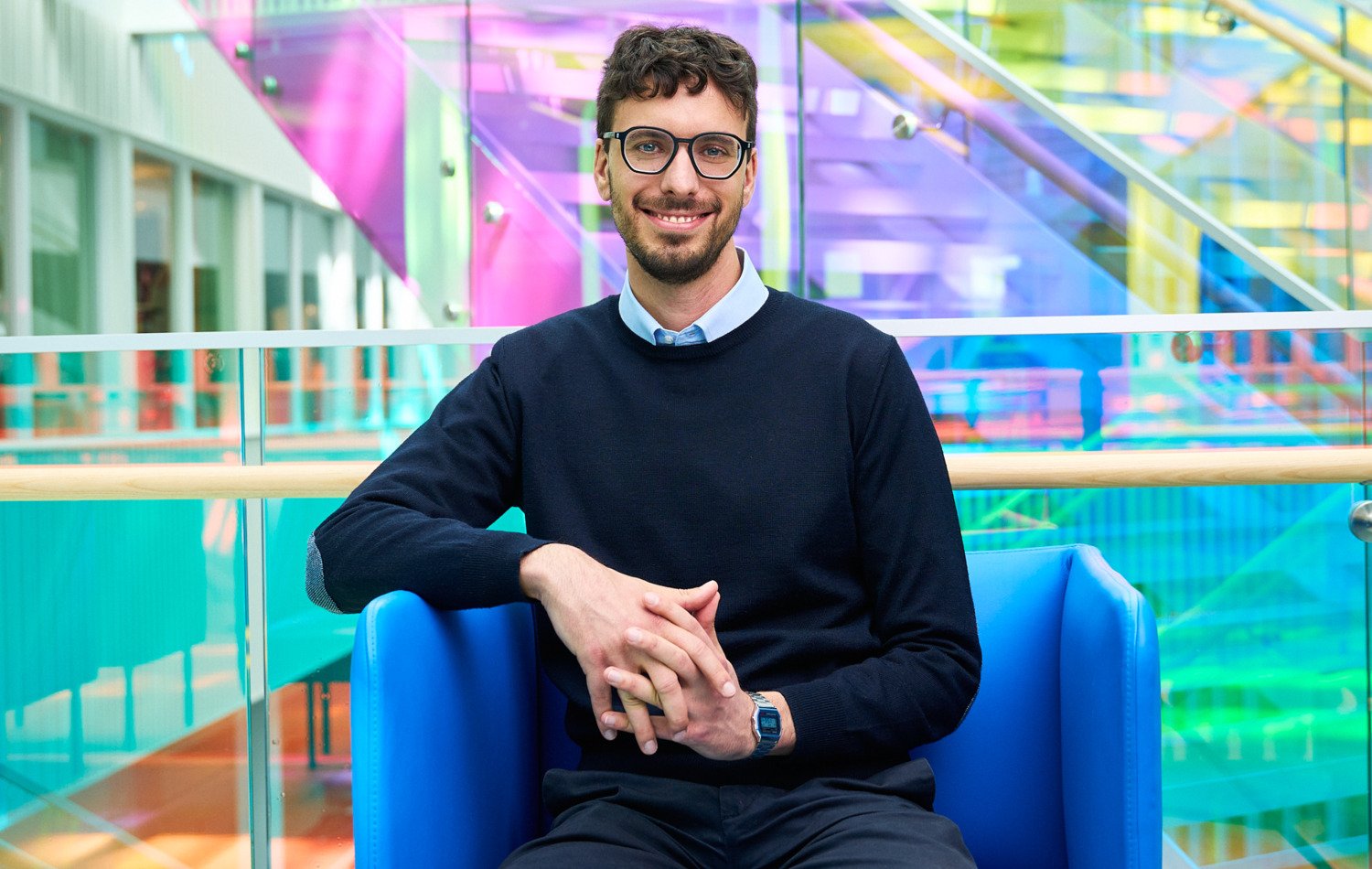 Photo: Erik Flyg
Drawn to a diverse research environment open to new ideas
Antonino Cassotta is an immunologist and Assistant Professor at the Department of Medicine, Huddinge, where he took up his position on 1 January 2026. With a research journey spanning Rome, Milan, and Bellinzona, he has developed broad and in-depth expertise in human immunology.
 Photo: Erik Flyg
Bringing precision medicine closer to clinical reality
Sanna Gudmundsson is an Assistant Professor at the Department of Molecular Medicine and Surgery, where she started in April 2026. With a background from the Broad Institute of MIT and Harvard, KTH and Uppsala University, her research focuses on data-driven genetic precision medicine.
Research at Karolinska Institutet
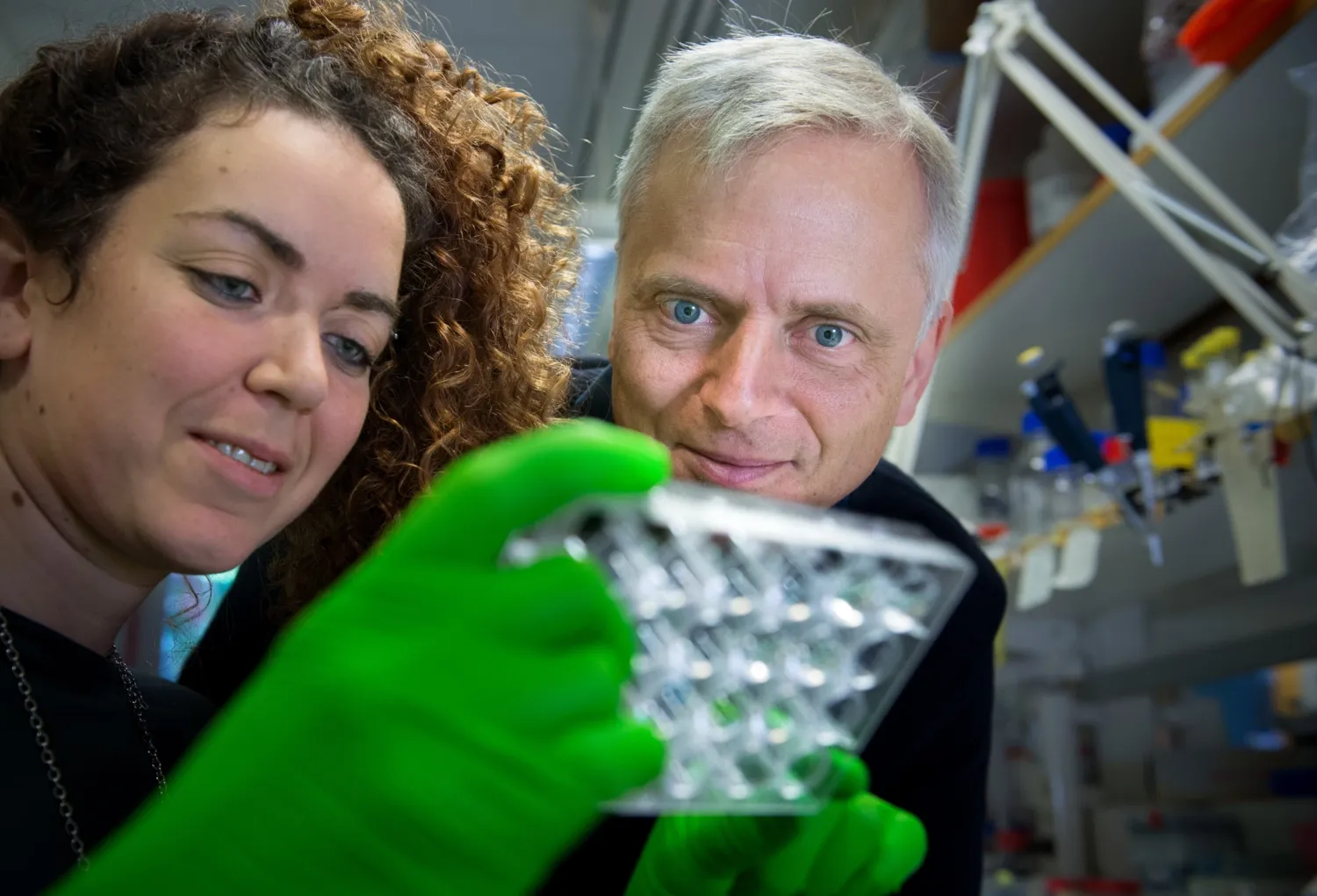 Photo: Gunnar Ask
Research within the entire biomedical field
Karolinska Institutet accounts for the single largest share of all academic medical research conducted in Sweden.
The research spans the entire biomedical field - from basic experimental research to clinical studies in collaboration with the health care system.
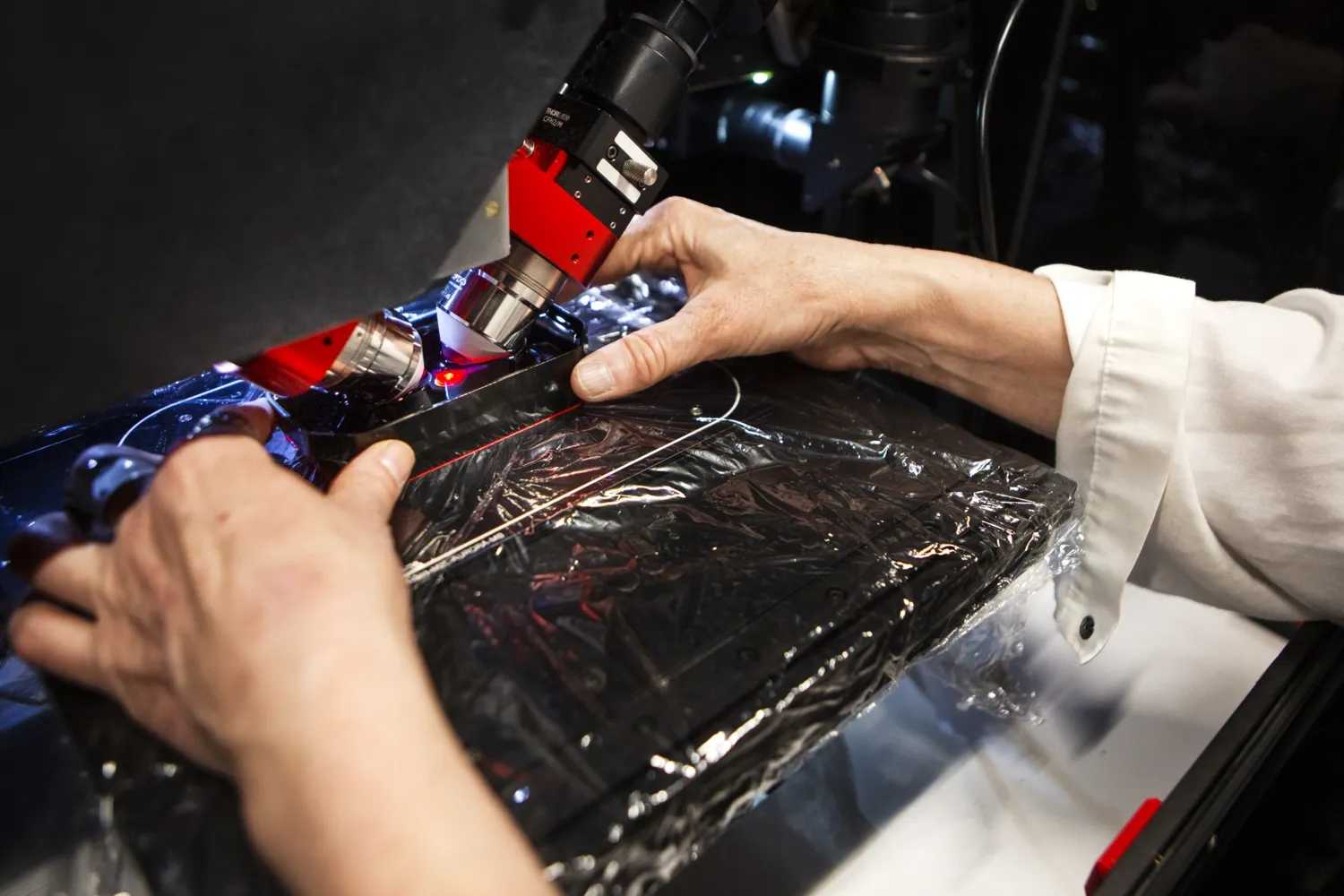 Photo: Martin Stenmar
Core facilities
Karolinska Institutet offers a wide range of core facilities, providing services, resources, and expertise to academic research in Sweden. These core facilities were all established to meet the needs of the university’s own scientists, and they are constantly evolving to provide the latest techniques and knowledge within their fields of expertise.
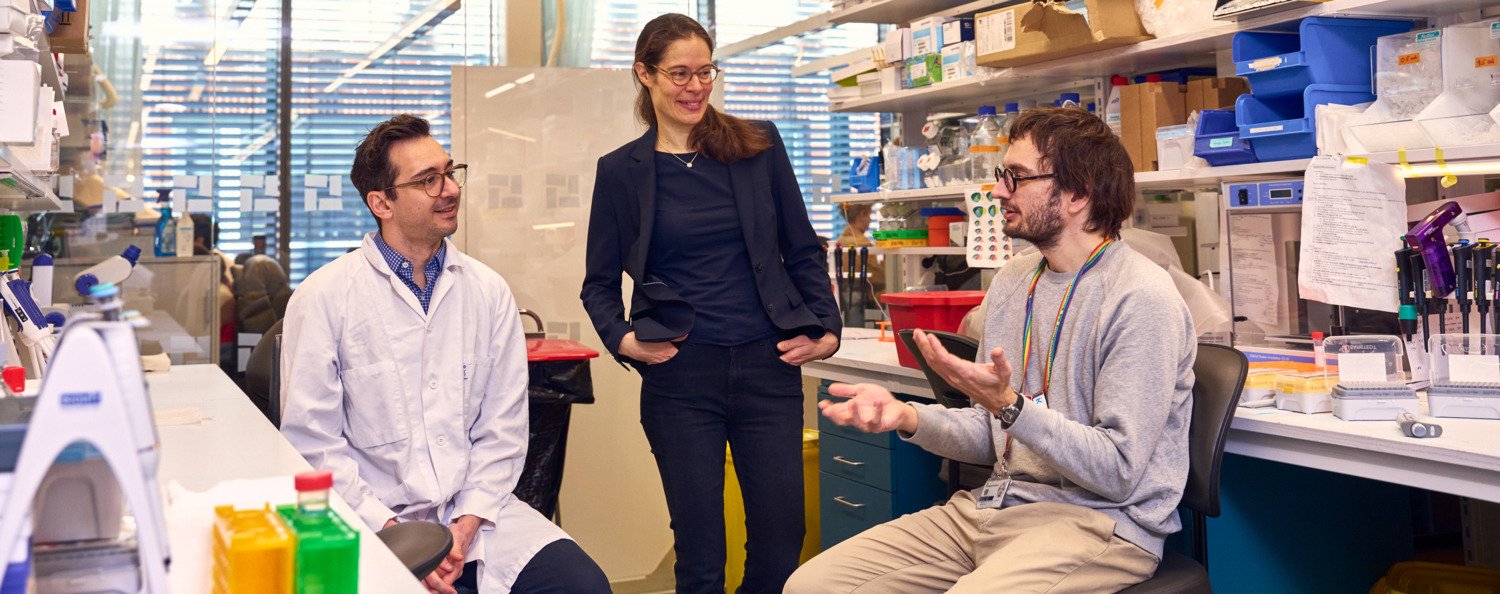 Photo: Erik Flyg
KI Research Incubator
Karolinska Institutet aims to be a pioneering university. As part of this ambition, we have established the KI Research Incubator (KIRI), an energising platform dedicated to empowering emerging researchers and to foster a culture of innovation and cross-disciplinary partnerships.
 Photo: Liza Simonsson
More research support
Working at Karolinska Institutet
 Photo: Liza Simonsson
Why become a researcher at KI?
Academic freedom and work-life balance are two aspects that attract many researchers and lecturers to Sweden and Karolinska Institutet. As a researcher here, you will have the right to commercialise your research, and even get support from the university in doing so. Find out more about the many benefits of working at KI.
 Photo: Erik Cronberg
Ten reasons to choose to work at KI
What do you look for in a new job? Creativity? Making a difference? Cutting-edge equipment? Doing your bit for world-leading research and education at Sweden’s largest medical university? In that case, KI is the employer for you. Today, KI ranks as the leading medical university in the EU. Here are some reasons for choosing to work at KI.
 Photo: Linnea Bengtsson
Jobs at KI
Karolinska Institutet's vision is to be one of the leading medical universities in the world. Our committed and competent employees make this possible. Find all available positions at KI and everything you need to know about working at our university.
News in this area
 Photo: Ulf Sirborn,Foto: Ulf Sirborn
KI continues its strategic initiative — new recruitment of 21 Assistant Professors
On 1 June, Karolinska Institutet launches a major international recruitment campaign for 21 Assistant Professor positions — building on the success of last year’s initiative, which attracted more than 2,700 applications from nearly 90 countries.
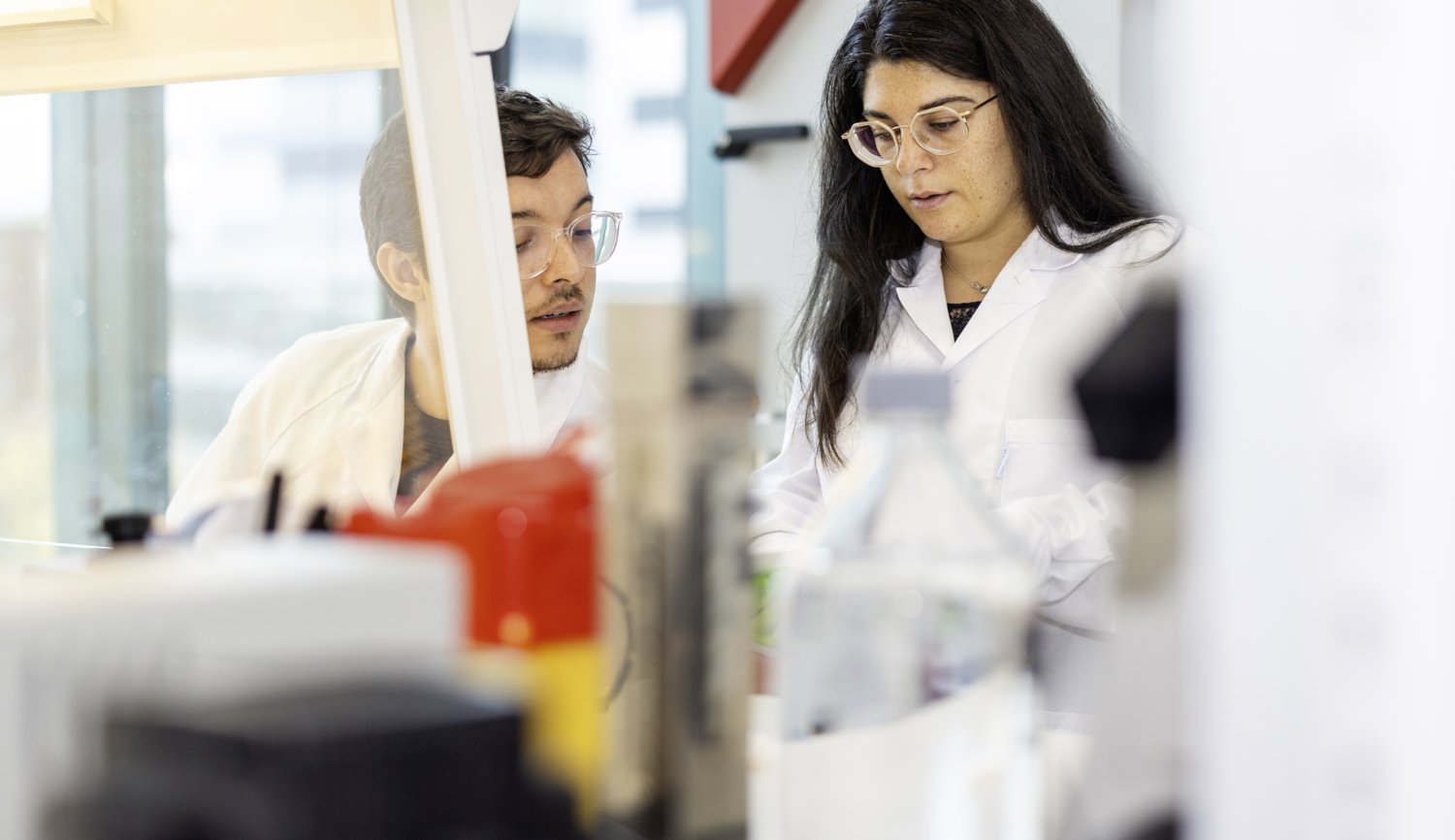 Photo: Liza Simonsson
New initiative to recruit assistant professors in 2026
The Faculty Board at Karolinska Institutet has decided to launch a new call for assistant professor positions in 2026, with the possibility of co‑funding up to 20 positions. Last year’s call was highly successful, attracting 2,700 applications from researchers in nearly 90 countries, and this year’s recruitment process will largely follow the same format.
 Photo: Liza Simonsson
Dean Sten Linnarsson: “It’s essential to recruit the best”
KI’s major recruitment drive for assistant professors has proved a success beyond Sweden and according to Sten Linnarsson, dean of KI Campus Solna and one of the driving forces behind the excellence-focused international initiative, the outcome will make its mark on KI for decades to come.