Physical activity and Sports medicine with focus on prevention – Hagströmer research group

Our research focus is in the area of physical activity, physical exercise and sports medicine.

Our Research

We study the link between physical activity and health, the effect of exercise interventions on habitual physical activity levels, and the prevention of sports injuries. We use movement sensors to obtain objective measures of physical activity and link these to health outcomes. We also experiment with new methods of rehabilitation. Our vision is to increase health, especially among individuals with risk factors, disabilities or injuries through high quality epidemiological and intervention/implementation research in the area physical activity and sports medicine.

Our research combines epidemiology, method development and intervention research. We use both quantitative and qualitative methods.

Read more about our research projects under the "Projects" tab.

Video: Understanding and using physical activity for health

Collaborators 

We have on-going research collaboration at local (KI), national and international levels. On an international level, for example, we are part of an accelerometer consortium and have experience working within EU projects. See publications as examples of this.

Publications

Selected publications

Funding

Grants

  • Towards optimal recovery after cancer surgery – evaluating a novel measure of physical recovery after discharge from hospital
    The Swedish Cancer Society
    1 January 2026 - 31 December 2026
    This project aims to evaluate a novel recovery measure following hospital discharge after cancer surgery. The objective is to ascertain whether objective physical activity data correlate with traditional recovery metrics, potentially identifying patients at risk of prolonged recovery and necessitating additional clinical interventions. Additionally, we will assess the feasibility of individually targeted support for physical activity post-discharge. The goal is to improve patient care and quality of life, aligning with the Cancer Strategy 2030. To address the research aims, two observational studies and a feasibility study are proposed. The first study will utilise existing data from patients with urinary bladder cancer who have undergone radical cystectomy. The second study, a multicentre investigation, will collect new data from 300 patients with urological, colorectal, and gynaecological cancers scheduled for surgery. The activPAL device will measure activity metrics and progression post-discharge. Traditional recovery measures include physical function, length of stay, health-related quality of life, readmission rates, and complications. Linear regression models will explore the association between activPAL data and traditional recovery metrics. Individually targeted support through digital self-monitoring will be developed based on the results from studies 1 and 2. The feasibility study will evaluate process and scientific feasibility using established methodology.
  • Implementation of new methods for physical rehabilitation
    Swedish Cancer Society
    1 October 2024 - 30 June 2026
  • Swedish Cancer Society
    1 January 2023
    Cancer is a major public health problem and globally causes about 10 million deaths each year. Physical activity, sedentary behavior and sleep affect health and the risk of developing certain cancers. However, individual strategies for preventing various cancers based on physical activity, sedentary behavior and sleep are lacking and few studies have investigated how these behaviors should be combined to reduce the risk of being affected. Since millions of people from all age groups, regions and countries are affected annually by various cancers, it is important to develop preventive measures. In this project, the risk of developing breast cancer, prostate cancer and colon cancer will be studied through epidemiological studies. By connecting different registers, we will study how lifestyle factors, demographic, socio-economic and genetic factors contribute to the development of various cancers. The long-term aim of this project is to lay the foundation for the prevention of various cancers based on physical activity, sedentary behavior and sleep. The goal is to develop individual measures to reduce the risk of suffering from some of the most common cancers.
  • Swedish Research Council
    1 December 2022 - 30 November 2027
    The aim is to establish a multiprofessional doctoral school in healthcare science, Doc-HealthSci, to strengthen the connection between research and education, as well as to meet the need for supplying competence in healthcare programmes. Doctoral students will develop knowledge about how physical, mental, and social health can be promoted, maintained and regained, and how illness can be prevented, alleviated, or cared for. All important areas for future education in healthcare programmes. A global perspective with good opportunities for internationalisation will be promoted.The school is a collaborative partnership between the Karolinska Institutet, Uppsala University, Mälardalen University and Sophiahemmet University, with a firm foundation in the collective strengths and competences and previous experiences of involvement in doctoral education in healthcare sciences. The school will be governed by a steering group of faculty and students representing each university. The education extended to 5-years will include part-time teaching. The school will provide courses, seminars and opportunities for research exchange within national and international networks.The school will provide a high-quality doctoral education to provide a first cohort of 20 competent and independent graduates prepared for the future needs in health care education. The intention is to develop a sustainable framework for future cohorts that will be of great significance for health care education.
  • Swedish Research Council for Health Working Life and Welfare
    1 January 2021 - 31 December 2023
  • Swedish Research Council for Health Working Life and Welfare
    1 January 2021 - 31 December 2023
  • SFO-V

Staff and contact

Group leader

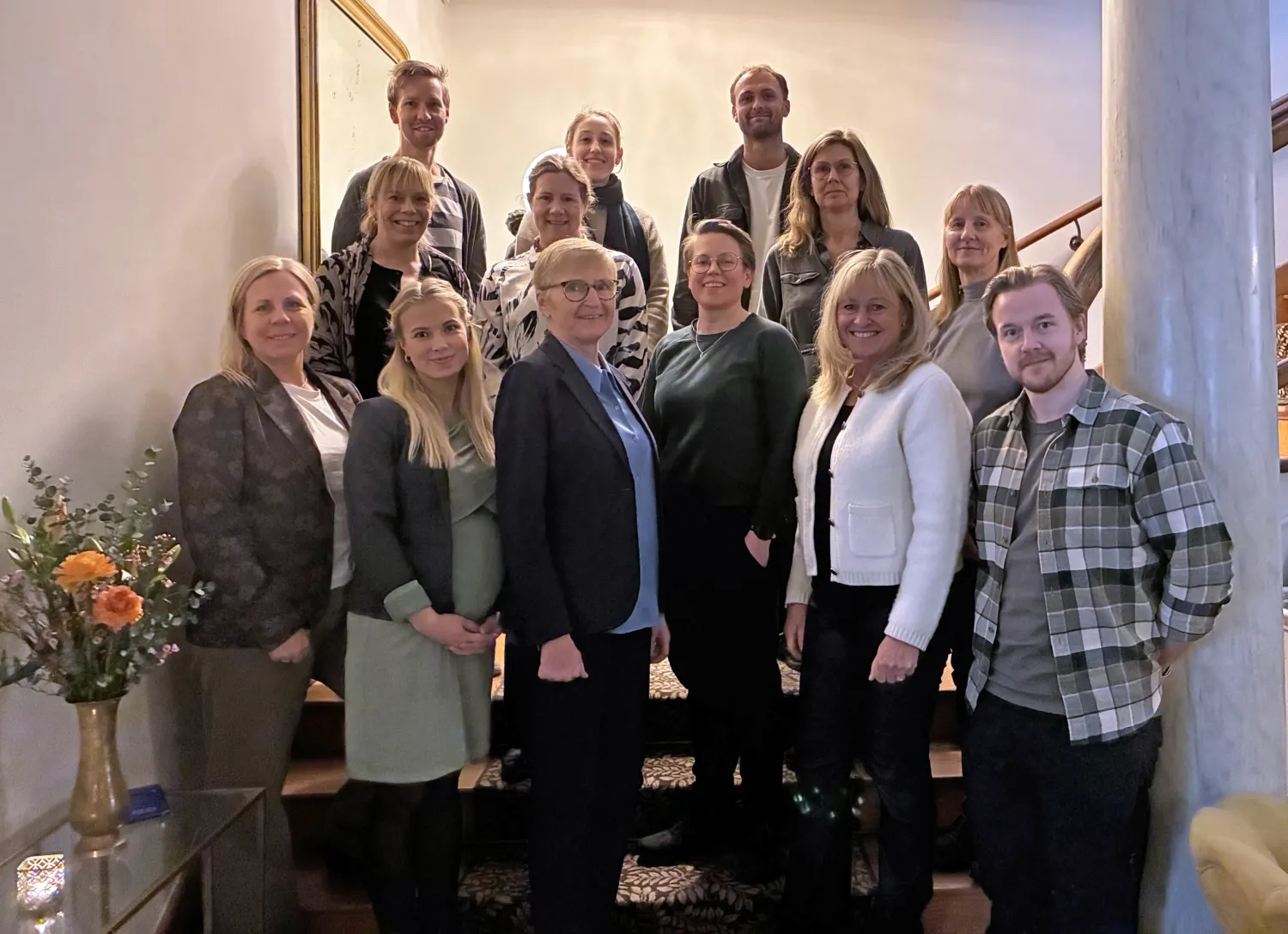
All members of the group

Other people connected to the group

  • Drake, af Hagelsrum Klara
  • Rossen, Jenny

Visiting address

Karolinska Institutet, Department of Neurobiology, Care Sciences and Society, Alfred Nobels Alle, 23,, STOCKHOLM, 14183, Sweden; Karolinska Institutet, Department of Neurobiology, Care Sciences and Society, 23100, Huddinge, 141 83, Sweden

Projects

CanMoRe (2016-2025)

The CanMoRe project evalutes if enhanced mobilisation after surgery using innovative digital methods at the hospital and a new model for physical rehabilitation in the primary care can lead to decreased frequency of readmission to hospital due to less postoperative complications in patients that have undergone major abdominal surgery due to cancer. The study shows positive results on daily physical activity and improved health-related quality of life. An implementation project, financed by the Cancer foundation is ongoing.

The PreXRALC project (2025-2029)

In the PreXRALC project (Prehabilitation eXercise before RAdical Laparoscopic Cystectomy), we are evaluating whether a new method of physical exercise with a physiotherapist during three months of treatment with chemotherapy before abdominal surgery leads to a reduced number of postoperative complications and improved health-related quality of life for patients with bladder cancer.

OPTIMIST-project (2024-2027)

The purpose of the OPTIMIST-project (OPtimal TIme-use coMpositions for Sleep and acTivity) is to explore the optimal daily time-use composition of sleep, sedentary behaviour (SB) and physical activity (PA) for different non-communicable diseases (NCDs). Using national and international registers, we will construct a large-scale cohort on objective measured time spent in PA, SB and sleep with data on NCDs. The risk of developing NCDs, adjusted for genetic, sociodemographic and socioeconomic factors will be established. We also aim to explore health care personnel’s experiences in providing health counselling to patients with NCDs.

ActiGen (2025-2026)

In ActiGen, a genome-wide association study (GWAS) of device-measured physical activity and sedentary behavior is conducted across multiple cohorts. The project is led by Oxford University and involves researchers from several countries worldwide. By pooling data from diverse cohorts with varied ancestral backgrounds, the study aims to enhance our understanding of the genetic architecture of physical activity and its shared genetic pathways with disease.

The ABC study (Attitude, Behavior and Change)

The Attitude, Behavior and Change study (ABC) is a cross-sectional and longitudinal research project on health behaviors with data collection by questionnaire and physical activity monitoring.

Hälsostudien (2024-2026)

Individuals with low socioeconomic status have a higher risk of poor health and disease compared to a population with high socioeconomic status. In Hälsotudien, we are investigating how a digital health service aimed at promoting healthy lifestyle behaviors works in populations with low socioeconomic status. The participants use the digital service for 12 weeks, with pre- and post-intervention assessments of physical activity, nutrition, and well-being. Each participant is also interviewed twice to evaluate the feasibility of the service and how it supports the adoption of healthy lifestyle behaviors.

Hormonal influences on physical exercise

The menstrual cycle implies a basic difference in the biology of women and men but the effect of the hormonal variation during the menstrual cycle on physical performance is still only partly understood. Our research group has performed menstrual cycle related studies during the last 20 years. We have performed studies on physical performance and premenstrual symptoms during the menstrual cycle and during use of oral contraceptives. Furthermore, we were the first group to characterize the variation in gene and protein expression levels of sex steroid hormone receptors in skeletal muscle during the menstrual cycle.

Health promotion and healthy lifestyle research

Our research group are responsible for or involved in several health promotion and lifestyle research projects.

Keywords:
Behavior Cancer and Oncology Epidemiology Epidemiology Exercise Exercise Therapy Physiotherapy Primary Prevention Public Health, Global Health and Social Medicine Secondary Prevention Sport and Fitness Sciences Sports Medicine Show all
Content reviewer:
30-01-2026