

Research at the Division of Psychology

At the Division of Psychology, all research is conducted within one of the seventeen different research groups that are part of the organisation, each one with its own profile and orientation. To read more about a certain research group, click on the one you're interested in in the list below.
Here, you'll also find a list of the latest articles published by researchers at the Division of Psychology.

Agneta Herlitz' research group
Individual differences in cognition – What gender differences exist in cognition and how can these be explained? Is the risk of dementia influenced by our cognitive performance in childhood? Agneta Herlitz's research on gender differences in psychological abilities and behaviors has the overall goal of describing and explaining these differences but also of understanding the potential impact they have on society and everyday life.

Andreas Olsson's research group
Social and affective learning and decision-making – How are fears acquired, modified, and transmitted between people? What brain mechanisms are involved and how do we optimize our decisions in a potentially dangerous environment? The overall goal of Emotion Labs' research is to describe the behavioral, neural, and computational principles that underlie social and affective learning and decision-making.
 Photo: -
Anna Dahlgrens research group
Working hours, Recovery and Safety in working life - The research group conducts research on Working Hours, Recovery and Safety in the workplace. The research is based on a systems approach, which involves studying different aspects of working hours, recovery and safety at both the individual and organizational levels. The goal is to contribute knowledge that can be used in systematic work for a sustainable working life, where fatigue (or lack of recovery) is seen as a risk to health and safety.
 Photo: Getty Images.
Arvid Guterstam’s research group
Social perception - How do we understand the thoughts, feelings, and intentions of other people? What mechanisms in the brain underlie this ability? How do these processes function in autistic individuals? The overall goal of Social Perception Lab's research is to understand how our brains shape the experience of other social agents. We are particularly interested in how low-level sensory mechanisms can be used to create higher-level social models in the brain.
 Photo: -
Ata Ghaderi's research group
Etiology, prevention and treatment of eating disorders – What factors contribute to eating disorders, and what are the most effective strategies for preventing eating disorders, anxiety and depression? The research group's research area is to understand, prevent and develop treatments for various eating disorders (e.g. anorexia nervosa, bulimia nervosa and binge eating disorder).

Brjánn Ljótsson's research group
Psychological treatment: internet and exposure –
Can people with abdominal pain or self-harm learn coping strategies for this? Can they get help through internet-administered cognitive behavioral therapy? Cognitive behavioral therapy (CBT) is a psychological treatment that has shown effectiveness for both psychiatric and somatic conditions. Unfortunately, CBT is difficult to access for those suffering from these conditions. Ljótsson's research group continues this work by currently studying the effect of ICB for children and adolescents with IBS and other functional abdominal pain, as well as ICB focused on improved emotion regulation for adolescents who self-harm.

Erik Hedman's research group
Common Mental Disorders and Behavioral Medicine in Primary Care – What is health anxiety and how can it be treated effectively with exposure therapy? What are the active mechanisms in the treatment of anxiety? Anxiety disorders, depression and stress disorders are common, cause severe suffering for the individual and entail large societal costs. The research in Erik Hedman's group is focused on the treatment and assessment of anxiety, depression and stress with a particular focus on health anxiety, that is, an excessive and disabling fear of contracting a serious illness.
 Photo: Anna Pelzer
Janina Seubert’s research group
Nutritional neuroscience - Janina Seubert's research group investigates the perceptual experiences associated with eating. The group studies olfactory and gustatory perception during the anticipation and consumption of food, their effects on memory and learning as well as on emotions and motivation, and their regulation by metabolic feedback from the digestive process.
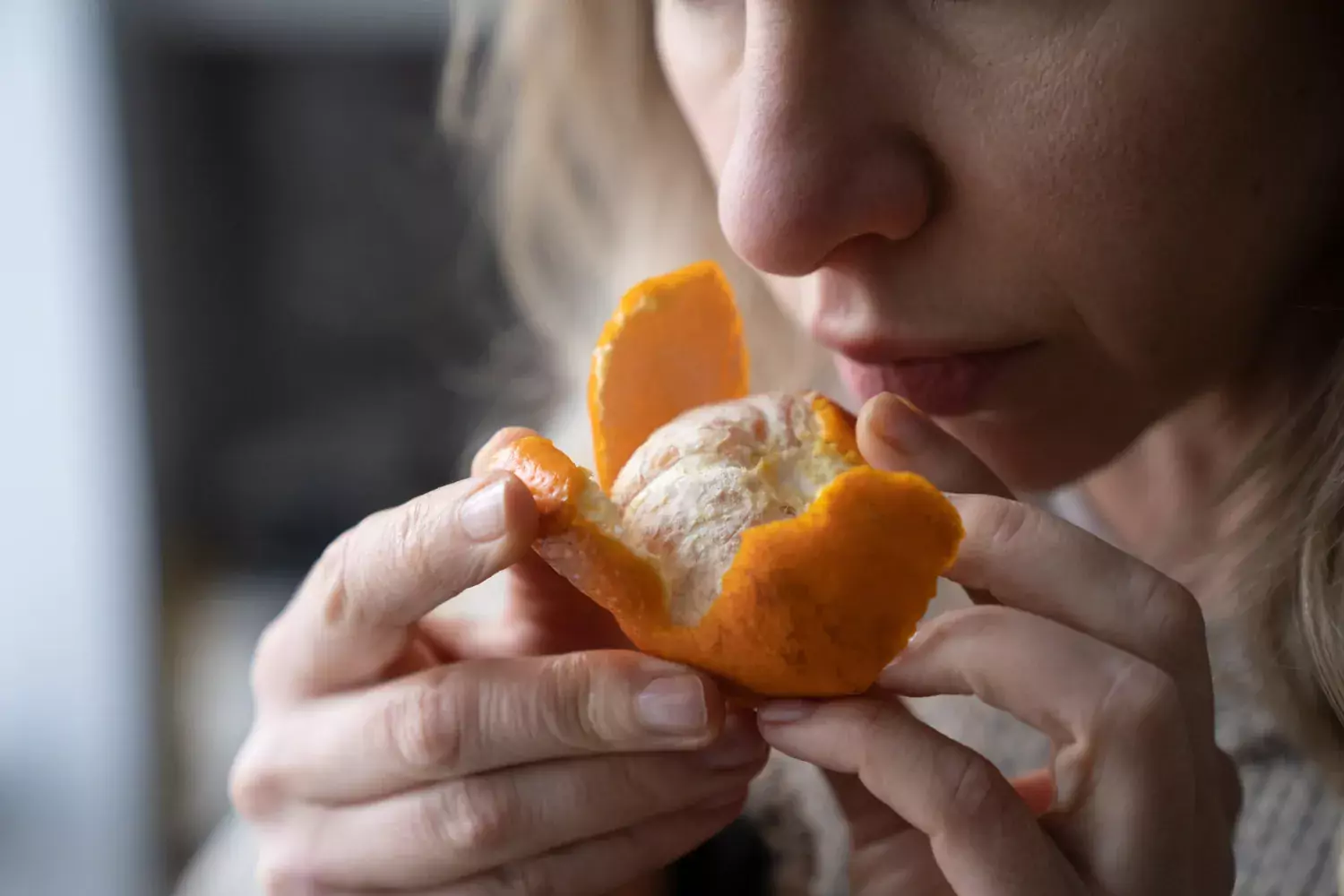 Photo: Dima Berlin,Getty Images
Johan Lundström's research group
Perception Neuroscience – How does the human brain perceive, process and interpret sensory impressions that originate from several of our senses and what different mechanisms lie behind this? Johan Lundström's research group conducts basic research aimed at a better understanding of the neural and perceptual basis of the olfactory system and how the olfactory system interacts with our other senses to interpret our world.
John Axelsson's research group
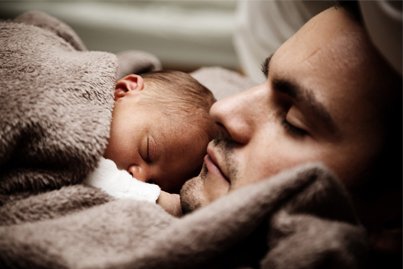
Sleep, cognition and health – How are we affected by disturbed sleep and stress with regard to, for example, cognitive abilities and diseases? How does the immune system affect our experiences? Is there beauty sleep? John Axelsson's research group wants to increase knowledge and awareness of how sleep in modern society affects our biology, cognition and health. A main focus is to investigate how disturbed sleep affects us both short-term and long-term with regard to immune function, metabolism, how we experience our health and risk of developing metabolic diseases, as well as how disturbed sleep affects cognitive processes and how we interact with other individuals.
 Photo: Julie Lasselin
Julie Lasselins research group
Psychoneuroimmunology - How does the immune system shape brain function and behavior? How do brain and behavior in turn regulate immune functions and health? Julie Lasselin’s research group investigates how interactions between the immune system and the brain shape behavior, fatigue, pain, and mood, referred to as sickness behavior. Using experimental models in humans and real-life inflammatory conditions, the group examines what characterizes sickness responses, how brain–immune and psychological factors shape them, and if these responses may support recovery from infection.

Lisa Thorell's research group
Developmental Psychology: Digital Media and ADHD – How do different cognitive and emotional factors contribute to the development of ADHD during childhood? What treatment measures are effective for children with ADHD? Lisa Thorell's research group has two main focus areas: digital media (i.e. social media and computer games) and neuropsychological impairments such as ADHD. Within the area of digital media, the group is currently conducting several studies that focus on how the use of digital media affects children's development. The second line of research focuses on ADHD in girls and women.

Marika Melin's research group
Work and organizational psychology – Work and organizational psychology examines human behavior in work and organizational settings, with a focus on how working conditions, leadership, and organizing affect health, quality, and safety. Our research addresses key challenges in contemporary working life and aims to contribute to safer, more sustainable, and mentally healthy work environments, particularly in complex and safety-critical sectors.

Mats J. Olsson's research group
Human olfaction – How are different odorants processed perceptually, cognitively, and emotionally? What can we discern solely with the help of our sense of smell? Mats J. Olsson's research group, The Human Olfaction Group, studies the human sense of smell and focuses on the behavioral effects of chemoreception. The overall goals are to describe how we process different odorants perceptually, cognitively, and emotionally. In addition, they investigate how body odor, or elements thereof, can communicate information between people.

Pia Enebrink's research group
Evidence-based interventions: prevention, treatment, implementation – How can one most effectively help self-harming children and adolescents? Is it possible to prevent negative behavior through parent support? Pia Enebrink's research group conducts research on psychological interventions to reduce the risk of mental illness during childhood, adolescence and adulthood, as well as how organization and working conditions in working life can affect health, behavior, quality and safety. The purpose of the group's preventive and treatment-oriented projects is to evaluate methods and interventions that aim to help children, adolescents, their parents and other adults maintain and develop good mental and physical health.
 Photo: -
Richard Bränströms research group
Health inequalities and minority stress – How can psychological theory and social epidemiology help us understand stigmatized population groups' increased risk of poor health? What psychological and social factors can explain homosexual, bisexual, trans and queer (LGBTQ) people's increased risk of mental health problems? The overall goal of Richard Bränström's research group is to increase our knowledge of factors that affect the health and well-being of vulnerable and stigmatized groups in the population and to develop interventions to improve the situation in these groups.
 Photo: -
Rikard Wicksell’s research group
Behavioral, Resilience and Digital Health in Pain - Rikard Wicksell's research group runs a translational research program in the field of pain with several different projects. The goal is to promote behavioral research on resilience in people with long-term health conditions. The group's work rests on a strong evidence- and theory-based foundation and they study how people adapt and function well despite long-term health challenges.