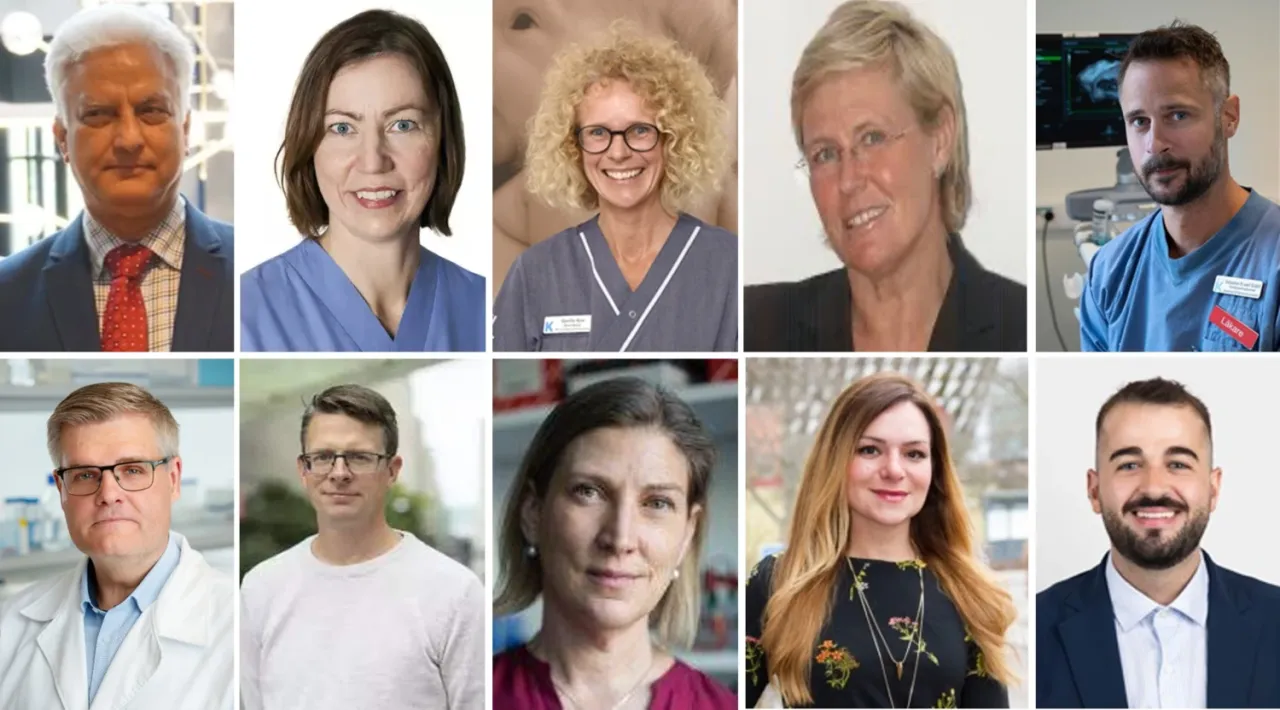
Division of Obstetrics and Gynaecology

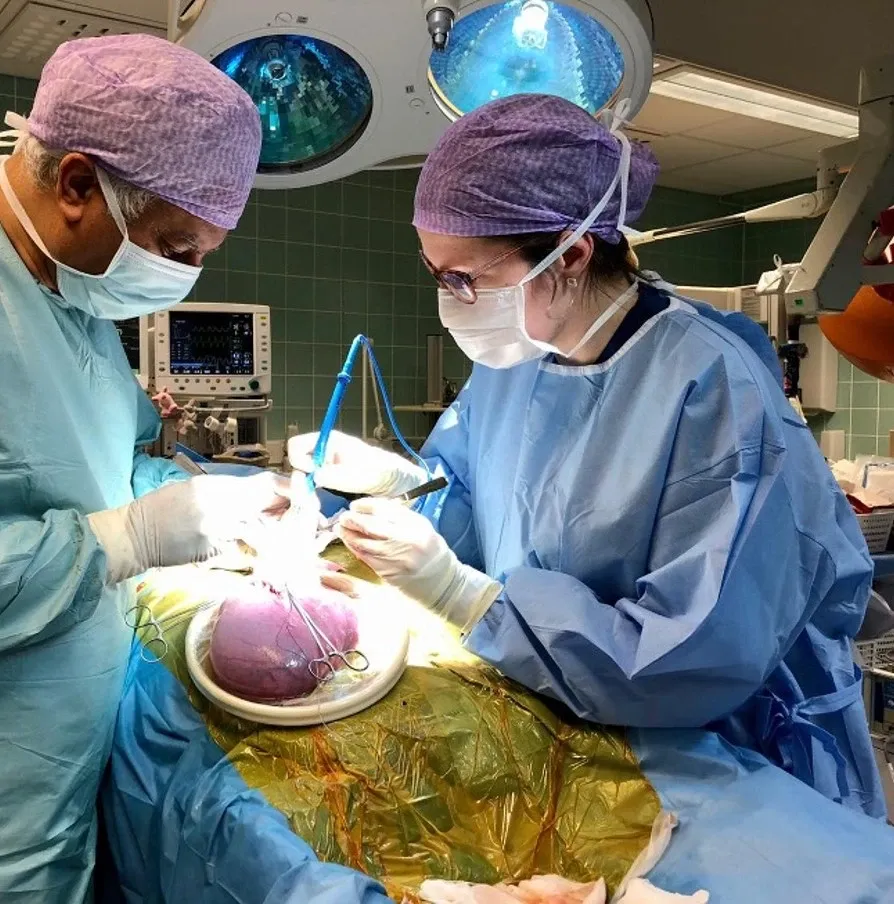
The Division of Obstetrics and Gynaecology performs cutting-edge clinical and translational research in Maternal-Fetal Medicine, Human Reproduction, Embryonic Development and Stem Cell Therapy.

The Division of Obstetrics and Gynaecology is responsible for education and research within this field

The division gives classes for medical students and also provides research opportunities and post graduate education for PhD students as well as for physicians and midwives.

Presently 50 different professionals are employed. The unit has several experimental laboratories; IVF, stem cell biology and advanced ultrasound technique.

Research and research education are focused on women's health, pregnancy and pregnancy complications, fetal physiology, reproductive stem cell biology, infertility, fertility preservation, vascular physiology, fetal regenerative medicine, cervical cancer and several other topics.
News and Calendar

Selected News

Calendar events for the Division of Obstetrics and Gynaecology

Publications

All publications from group members

Staff and contact

Head of Division

Contact persons

All members of the group

Research

The division hosts several research groups working in the field of Embryonic and fetal Medicine, High-risk pregnancy, Human Developmental Biology, Teratology, Stem Cell Therapy, Gynaecology and Reproductive Medicine. 

We have easy access to modern laboratories, research infrastructure, and core facilities. A significant strength is a close collaboration between clinicians and scientists facilitating translation of research findings into clinical practice. A proximity to the KTH Royal Institute of Technology provides a platform for a meaningful interaction and collaboration in the field of technological innovations including supervision of postgraduate students offered in a joint doctoral programme in Medical Technology, allowing for a combined PhD degree from both universities. 

The research environment in our division offers substantial expertise and competence in periconceptional health, advanced in vitro models to study human pre- and post-implantation embryology, teratology and disease mechanisms (e.g. implantation failure/miscarriage, endometriosis), as well as clinical studies on advanced precision prenatal diagnosis and therapy of fetal red blood cell and platelet alloimmunization, diagnosis and management of complications of pregnancy/labour (e.g. preeclampsia, fetal growth disorders, placental dysfunction, fetal hypoxia, infections, birth asphyxia, maternal injuries associated with childbirth etc), and long-term consequences of adverse in utero exposures. 

We have strong national and international networks built through clinical alliances, research collaborations and joint educational activities.   

Research and research groups

Read about our research and research groups

PhD students

About our PhD-students

Dissertations

Dissertations from our division

Education

Interprofessional Medical Education

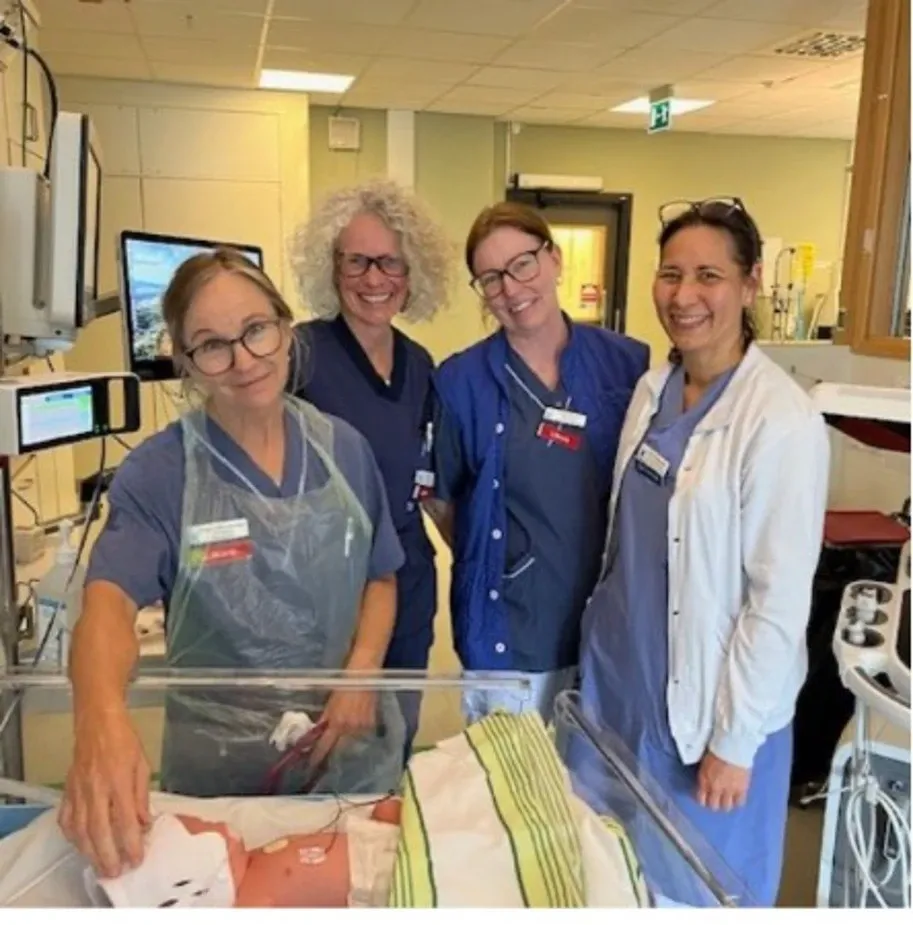
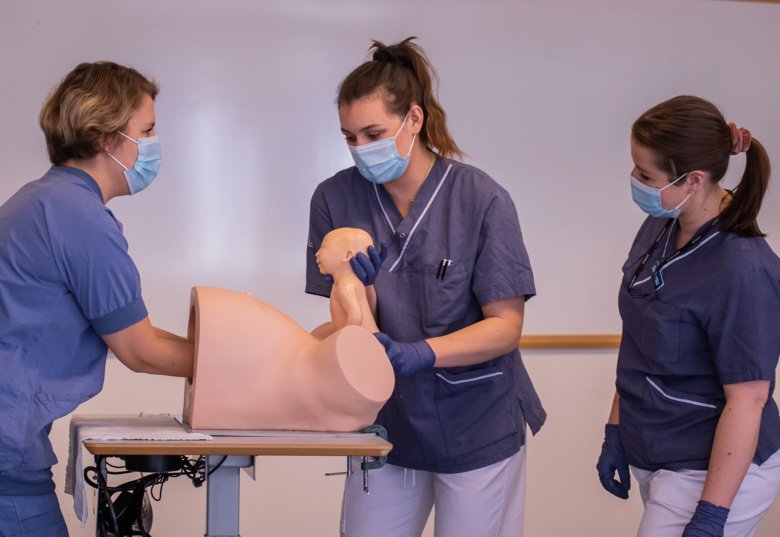
The division contributes to the education of students in the Swedish national medical programs as well as international medical students. Adjacent to medical education, pedagogical research is conducted. The division also employs clinical and pre-clinical research students, and for physicians undergoing specialist training, there is an opportunity to take a specialised competence course in collaboration with the National Board of Health and Welfare.

The division has the responsibility for the theoretical and practical education, clinical rotation and evaluation of approximately 80 medical students per year. We provide research opportunities and supervision for undergraduate and postgraduate students as well as for physicians and midwives. The division is also involved in medical education research and committed to improving standards in teaching and learning promoting good clinical practice by implementing evidence-based pedagogic methods and effective clinical supervision. 

Photo: Cecilia Hultqvist

Medical program

The division welcomes medical students in the courses Moment Reproduction and Clinical Rotation. In the Moment Reproduction course, part of the course Clinical Medicine – Emphasis on Reproduction and Development, we receive national students and international Erasmus students from our Nordic neighboring countries. The course covers both theoretical principles and clinical practice in the field of gynecology and obstetrics in both outpatient and inpatient care settings. Work-integrated learning is central during this course, with a strong emphasis on the primary care perspective, disease prevention, and principles and strategies for diagnosis. The course also addresses women's vulnerability in family and society, along with relevant regulations and laws. Throughout the course, new knowledge and skills are integrated with previous basic scientific and clinical knowledge.

Erasmus students from Karolinska Institutet's partner universities also have the opportunity to participate in work-integrated learning as part of the course Clinical Rotation – Gynecology and Obstetrics. The focus of the course is on clinical service, with patient-based supervision and individual feedback to further develop skills. Students have the opportunity to participate in the clinical work to a varying degree depending on their knowledge and experience. 

To inquire about your eligibility to enroll in our courses, please contact Karolinska Institutet’s international coordinator for incoming medical students.

Educational Research

Since 2021, the division has been conducting research on the pedagogical approach of Team-Based Learning (TBL), a central teaching method in the new national six-year medical program. TBL has previously been predominantly used in education at pre-clinical semesters, and the division is interested in studying the model's impact on students' clinical reasoning and professional development during clinical semesters. The research is led by the division in collaboration with other departments responsible for the course Moment Reproduction.

Publications from the division on educational research

Sterpu I, Herling L, Möller A, Kallner HK, Engberg H, Nordquist J, Acharya G. The cost-analysis of Team-Based Learning versus small group interactive learning in undergraduate medical education. BMC Med Educ. 2025 Oct 2;25(1):1280.

Rotgans JI, Sterpu I, Herling L, Nordquist J, Acharya G. Exploring the dynamics of situational interest in team-based learning in undergraduate medical education. BMC Med Educ. 2024 Jul 30;24(1):822.

Sterpu I, Herling L, Nordquist J, Möller A, Kopp Kallner H, Engberg H, Acharya G. The outcomes of team-based learning vs small group interactive learning in the obstetrics and gynecology course for undergraduate students. Acta Obstet Gynecol Scand. 2024 Jun;103(6):1224-1230.

Sterpu I, Herling L, Nordquist J, Rotgans J, Acharya G. Team-based learning (TBL) in clinical disciplines for undergraduate medical students-a scoping review. BMC Med Educ. 2024 Jan 3;24(1):18.

Acharya G, Sterpu I, Herling L. Training future specialists in Obstetrics and Gynecology: Is harmonization possible in Europe? Acta Obstet Gynecol Scand. 2021 Nov;100(11):1939-1940. 

Postgraduate studies

At the division, we employ postgraduate students in both pre-clinical and clinical research. Information for postgraduate students is provided through CLINTEC's webpage for research students, and positions for doctoral candidates are advertised on Karolinska Institutet's job catalog.

In collaboration with the University of Toronto, Canada the division offers a course on Medical Developmental Biology, an exchange course for doctoral students and post-doctors. The primary aim of the course is to enhance understanding of issues in developmental and stem cell biology with direct implications for human development and disease. More information about the course is available in the education course catalog on Karolinska Institutet's website.

The division's researchers also serve as lecturers in courses for research students, such as Gene Regulation in the Early Human Embryo, a part of the Development and Regeneration (DevReg) doctoral program.

Specialised competence courses

The division, on behalf of the National Board of Health and Welfare, organizes the specialist competence course in Cervical Cancer Prevention. The course is a highly regarded foundational course for future specialists in gynecology. It includes lectures, case discussions, and image presentations. The course is aimed at aspiring gynecologists. Information about the application process is available on the National Board of Health and Welfare's website

Education and research networks

The division runs the research network Tissue and Motion, which focuses on the research field of regenerative medicine. The network aims to integrate pre-clinical and clinical research and foster collaborations, especially for junior researchers.

Pedagogical awards

In 2023, Susanna Eriksson, a specialist obstetrician and gynecologist and clinical assistant at the division, received the award for the best supervisor from the Swedish Medical Association, Stockholm Student Section.

In 2021, Hedvig Engberg, a specialist obstetrician and gynecologist and former clinical assistant at the division, received the award for the best supervisor from the Swedish Medical Association, Stockholm Student Section.

Keywords:
Cell and Molecular Biology Embryonic Stem Cells Fertility Gynaecology, Obstetrics and Reproductive Medicine Gynecology Medical Biotechnology (Focus on Cell Biology (incl. Stem Cell Biology), Molecular Biology, Microbiology, Biochemistry or Biopharmacy) Obstetrics Osteogenesis Imperfecta Reproductive Medicine Stem Cell Transplantation Stem Cells Show all
Content reviewer:
02-04-2026