
The Health Crises Academy
At the Centre for Health Crises, we run our educational activities in our programme area the Health Crisis Academy, where we develop and deliver courses and other educational activities, in a number of areas related to health crises. In addition, we are also able to develop specially tailored educational initiatives to meet urgent needs arising in a health crisis. Furthermore, we conduct advocacy to highlight the importance of including training and exercises as part of crisis preparedness.
About the Health Crises Academy
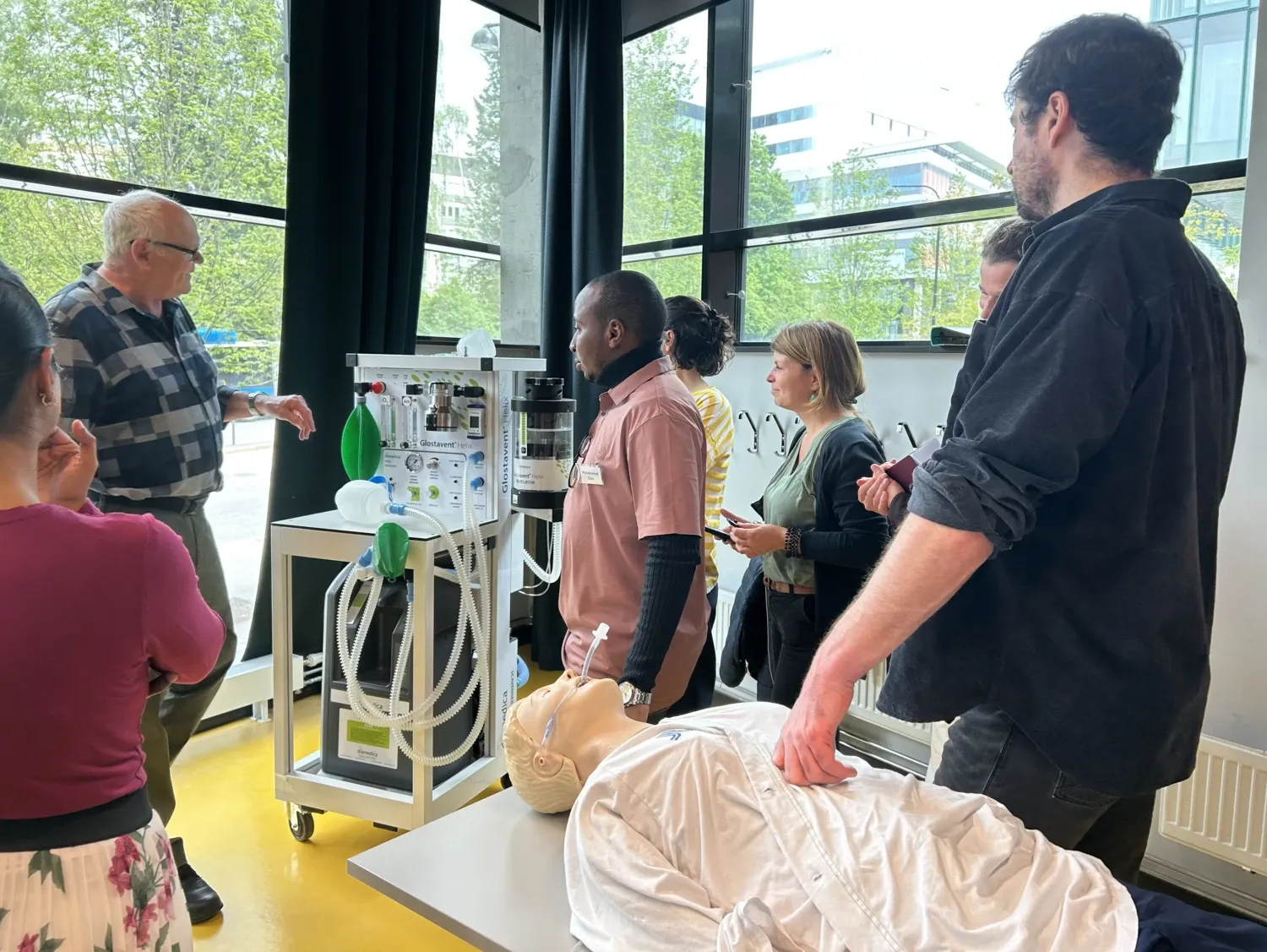
Our educational activities cover both specific areas of expertise and the field of health crises in generally. We place great emphasis on ensuring that our courses are relevant and practical. Furthermore, they should be based on the needs of the healthcare sector and society’s general needs when it comes to health crisis preparedness. To ensure this, we collaborate with professional associations, government authorities, organisations and other relevant stakeholders, as well as with our network partners and other collaborators.
In addition to the courses and exercises we present here, we have experience in rapidly developing bespoke educational activities – whether in-person or online – that help organisations address needs that arise short notice in a health crisis. We have previously also scaled up existing courses from regional to national level and adapted international courses to fit Swedish conditions.
With the aim of establishing an overview of the education in the field of health crises in Sweden, we carried out a mapping in 2024. Based on it, we wrote a report describing the current range of educational activities, what was lacking, and the opportunities we saw in this field. The report is available to read and download here.
Furthermore, we work to raise awareness of the importance of education and training in establishing and maintaining preparedness for health crises, and of the role of universities in doing this. We also advocate for health crises to be included in both undergraduate and postgraduate education, for relevant healthcare professions and others.
Upcoming courses, exercises and other educational activities at the Health Crises Academy
AHLS
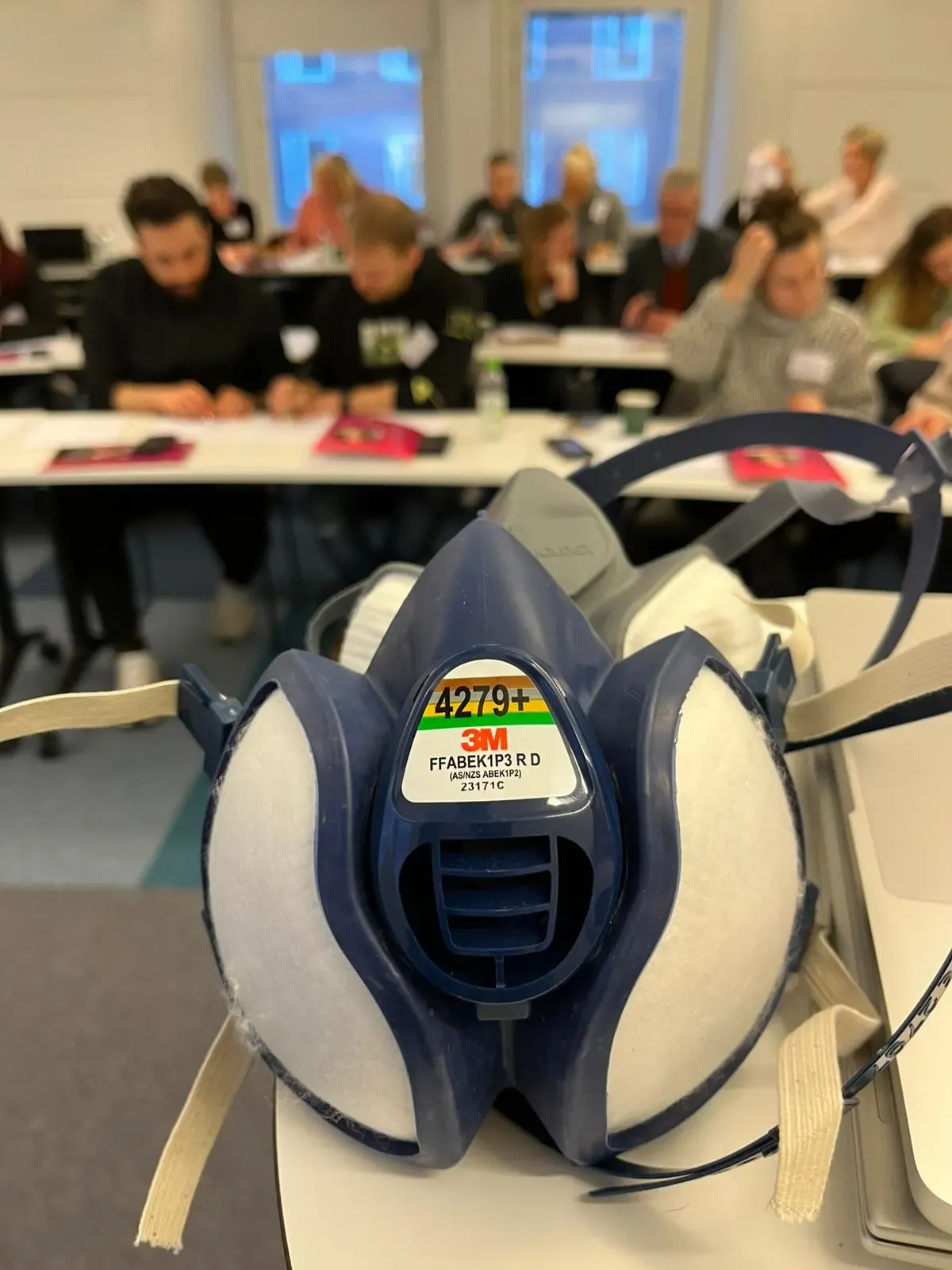
AHLS (Advanced Hazmat Life Support) is a course in emergency care and management in the event of exposure to hazardous chemicals, such as chemical accidents and the deliberate release of toxic substances. It is an internationally recognised course, developed by the American Academy of Clinical Toxicology (AACT). It is currently offered in over 70 countries. Participants gain in-depth knowledge of how to identify, assess and treat patients, and upon passing the course examination, they receive an AHLS certificate confirming their competence in this specialist field.
The course is held in Swedish and is aimed at doctors, specialist nurses, ambulance staff, toxicologists, safety and emergency preparedness coordinators, military medics and emergency services personnel.
In collaboration with the Centre for teaching & research in disaster medicine and traumatology in Region Östergötland and Linköping University, we have adapted the course to Swedish conditions. It is nowadays run in partnership with them, the Institute of Environmental Medicine at KI and the Swedish Poison Information Centre.
The next upcoming date for the course is 10-11 November 2026. The course is fully booked, but please contact the course administration to find out if you can be added to the waiting list.
Our expert coordinator for chemical and toxicological incidents, Mattias Öberg, is the course director.
Other courses, exercises and educational activites at the Health Crises Academy
Anaesthesia with limited resources
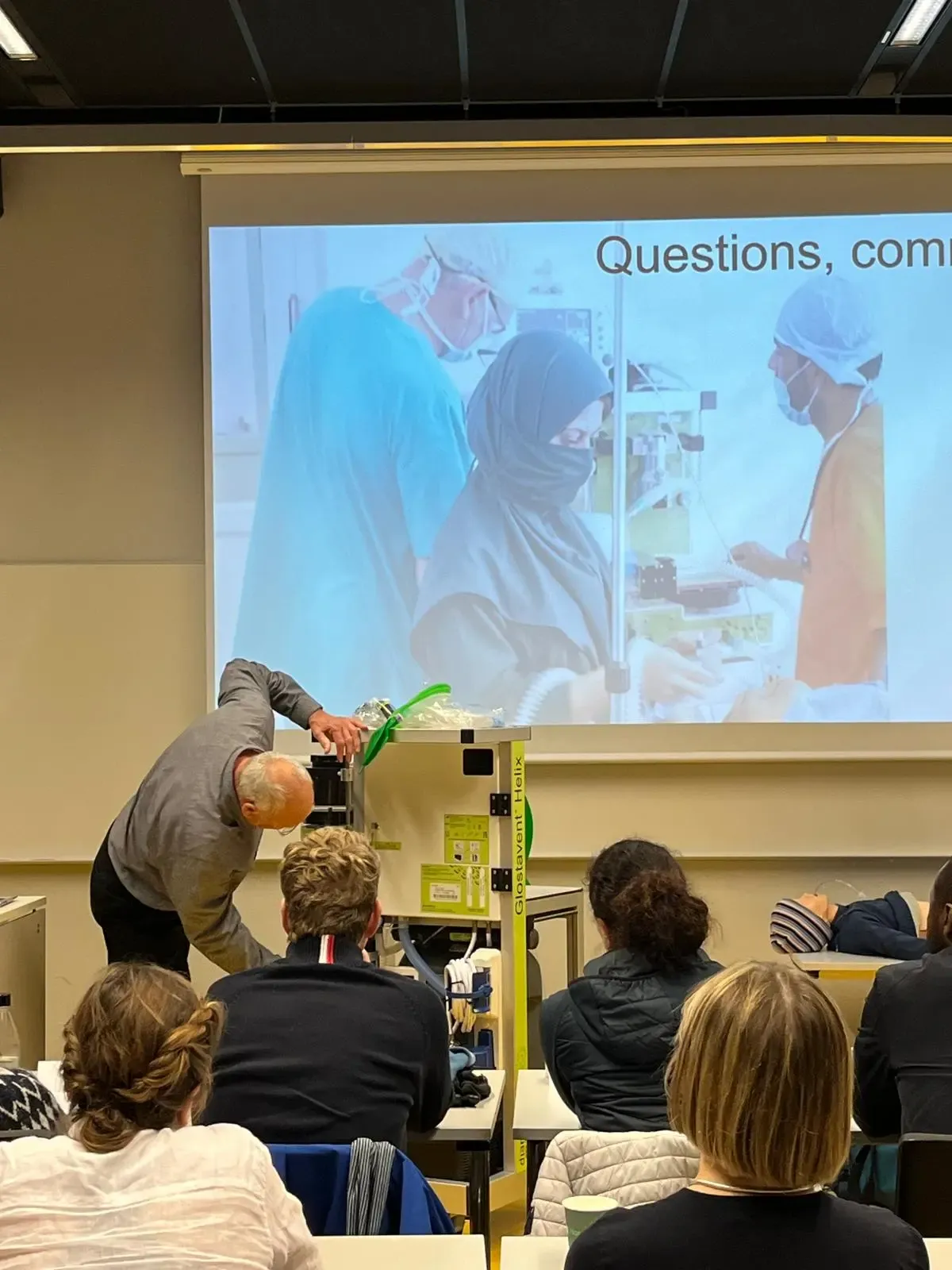
In the course Anaesthesia with Limited Resources, participants are taught how anaesthetic care is adapted and delivered when resources are limited – for example, in crises and disasters, or in low-resource settings, all of which place special demands on how the care is delivered.
The course is run in collaboration with Médecins Sans Frontières Sweden, with financial support from the Kamprad Family Foundation. It is aimed at anaesthetists and nurses who will be working in crises, disasters and/or low-resource settings.
Our expert coordinator in intensive care with limited resources, Märit Halmin, is the course director.
Global outbreak epidemiology
This course provides an introduction to global outbreak epidemiology. It gives participants an understanding of how disease outbreaks arise, spread and develop, and how to assess an outbreak situation in a structured and critical manner. The focus is on practical principles for investigating and managing different types of disease outbreaks, and on decision-making based on limited information.
Our expert coordinator in outbreak preparedness and response, Hedvig Glans, is the course director.
Health Assistance in Humanitarian Crisis
Health Assistance in Humanitarian Crises is aimed at healthcare professionals preparing to work in humanitarian missions in low-resource and/or conflict or disaster-affected areas. The course provides participants with practical tools for planning and implementing humanitarian health interventions.
The course is run by the research group Global Disaster Medicine – Health Needs and Response at KI, in collaboration with us at the Centre for Health Crises and Médecins Sans Frontières Sweden, with funding from the Kamprad Family Foundation.
Visit the course website to find out more.
Preparedness for health crises: a multidisciplinary approach
Together with colleagues from our Nordic Health Crises Universities Network, we are co-organising the course Preparedness for health crises: a multidisciplinary approach at the University of Bergen. The course is aimed at Master’s and PhD students. The focus is on analysing health crises from international and interdisciplinary perspectives, with the aim of increasing understanding of and preparedness for global health risks.
The course is four weeks long. The first three weeks of the course are online, after which it is possible to add a further week onsite at the University of Bergen in Norway. Students might be eligible to apply for a travel grant to cover their trip and stay in Norway.
Visit the course page to find out more. If you have any questions, please contact Caroline de Groot.
Trauma Disaster Sweden (TK Sverige)
TK Sweden is a national instructor training programme in traumatology and disaster medicine preparedness, based on the ‘Trauma Katastrof Stockholm’ course concept, which has been run by Region Stockholm since 2022. The course is team-based, with a focus on blast injuries, and the mass casualty exercise provides acute hospitals with the opportunity to test their disaster medicine plans and action sheets.
It teaches participants how the TK Sweden is structured and how the course concept can be used and adapted, so that they can implement it as a training programme in their own region. After completing the course, participants take part in Region Stockholm’s course as observers and gain access to a national network for development and support.
Our expert coordinator in emergency surgery, Lisa Strömmer, is the course director.
Ethical preparedness
During 2025–2026, the Centre for Health Crises is supporting the development of a web-based course on ethical preparedness, which aims to reduce ethical stress among healthcare professionals during disasters and health crises.
The course is based on Martina Gustavsson’s doctoral thesis Moral conflicts in health crises: Swedish health care workers’ experiences and management of moral stress and is a collaboration between the Centre, the Department of Global Public Health and Executive and professional education at KI.
For more information, please contact Martina Gustavsson, who is the course director.
Tailor-made courses for urgent needs in health crises
During a health crisis, specific educational and training needs might arise suddenly in order to manage the crisis. At the Centre, we have the expertise, experience and established methods to rapidly develop bespoke educational activities– whether in-person or online – that help stakeholders quickly address new educational and training needs in a health crisis.
Our expert coordinators and other members of staff have previously developed various educational activities in response to health crises. For example, during the COVID -19 pandemic, they developed courses on mass vaccination and short online training programmes in hygiene for healthcare staff who came into contact with people with suspected or confirmed COVID-19; these have since been completed by over 200 000 people.
The Centre has also previously collaborated with the Swedish Agency for Health Technology Assessment and Social Services (SBU) and the Karolinska Institutet Library on developing a format for rapid, systematic and evidence-based knowledge summaries to support decision-making during health crises, which we called rapid response briefs.