
Policy advice, expertise and knowledge support from Global Disaster Medicine - Health Needs and Response
At Global Disaster Medicine - Health Needs and Response, we want to actively contribute to the continuous improvement of health care in disasters, through everything we do. Providing policy support, working onsite in disasters and collaborating with partners who work with disaster response, is also a means for us to share our research, knowledge and experience, and apply it in practice.
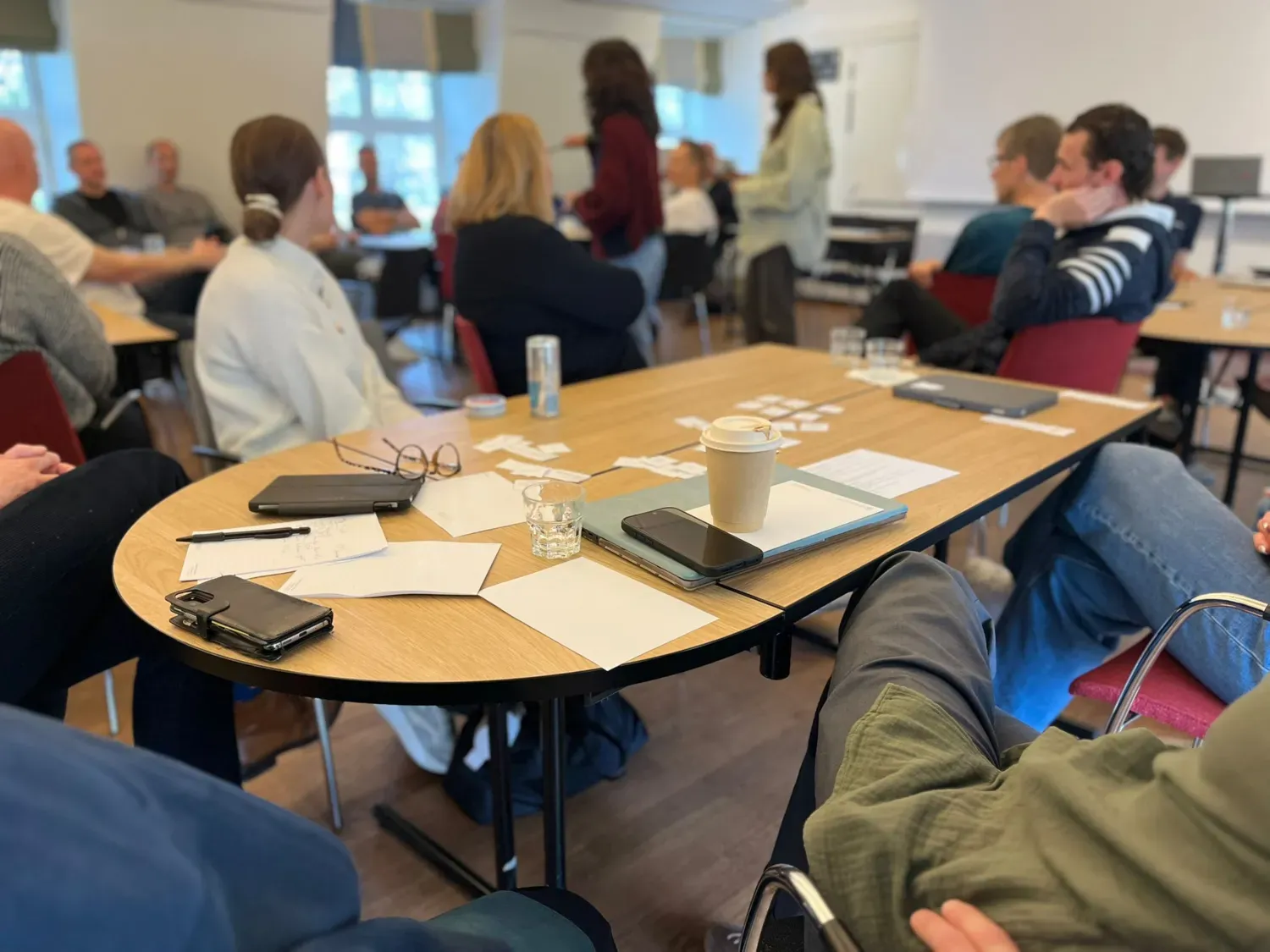
In terms of policy advice and expert support, we provide advice, work with developing and improving guidelines and standards, conduct monitoring and analyses, produce decision-making support documents and more. Our team also frequently participate in the media to answer questions and share knowledge about disaster medicine.
In collaboration with both Swedish and international partners, we work to make our expertise and experience in disaster preparedness and management available help to improve and strengthen both national and international disaster response.
Research centre for global disaster medicine and international missions, appointed by the National Board of Health and Welfare
Since 2002, we are a research centre (kunskapscentrum), appointed and funded by the National Board of Health and Welfare. As a research centre, we provide expert support in matters related to global disaster medicine and international missions. We also act as a national coordinator to ensure that knowledge and expertise are developed and made available. It is a role that enables us to maintain and share our knowledge and experience of the effects of disasters, how responses should be designed and what skills are necessary for health professionals.
There are currently seven research centres covering various aspects of disaster medicine, appointed and funded by the National Board of Health and Welfare. The other six are:
- Research centre in disaster toxicologi
- Research centre in pre-hospital care and complex injuries
- Research centre in psykotraumatology
- Research centre in radiation medicine in disasters
- Research centre in Total Defence medicine
- Research centre in traumatology
The research centres cooperate within the Swedish National Disaster Medicine Council.
As part of our role as research centre, we conduct external monitoring, research reviews and analyses. The latest ones can be read and downloaded below. If you are interested in reading older material, please email kckatastrofmedicin.gph@ki.se and we will be happy to send them to you. You can also subscribe to receive the reports and analyses directly to your inbox.
Monitoring reports, research overviews and global analysis (in Swedish)
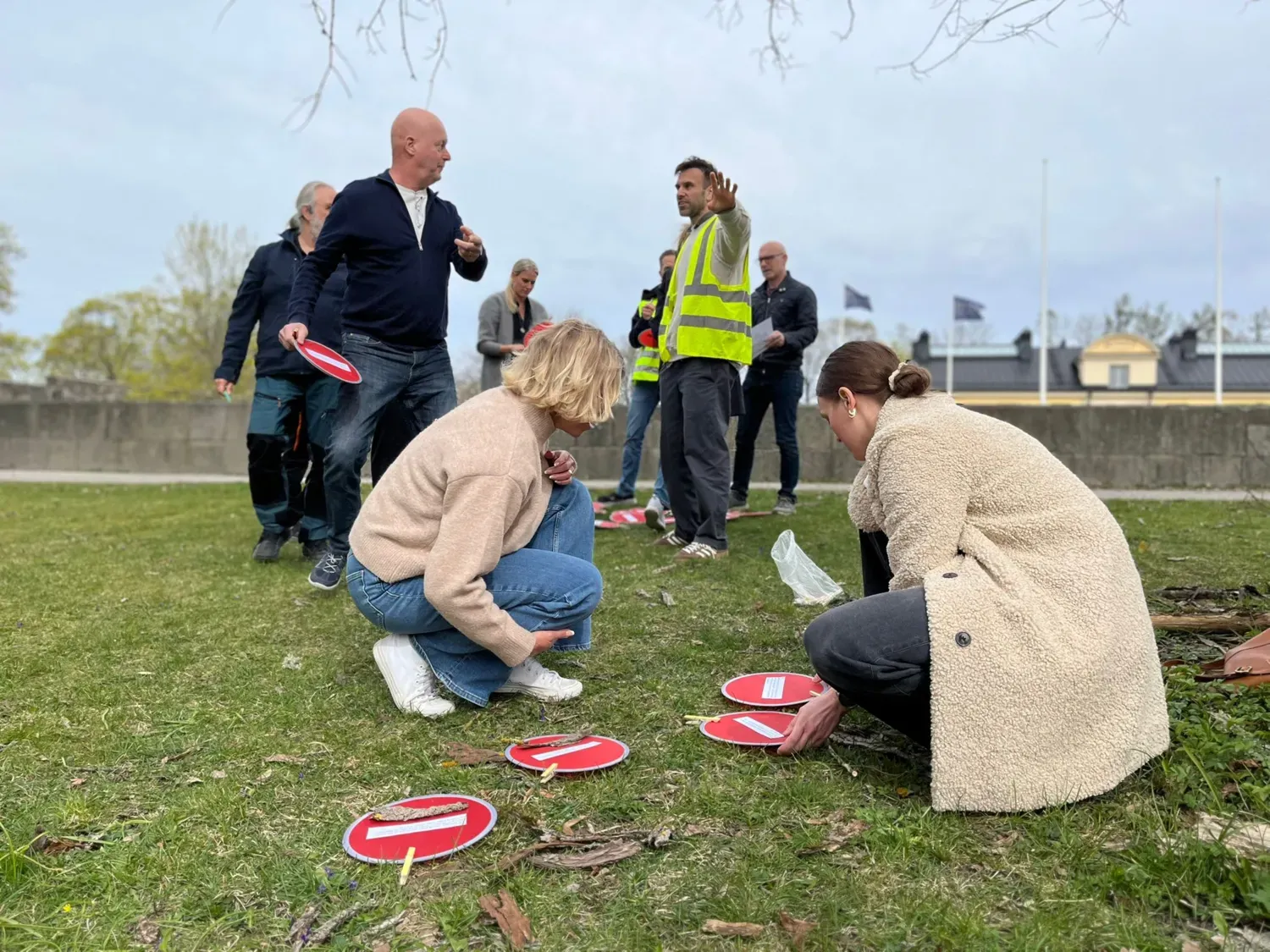
EMT-initiative, in collaboration with the National Board of Health and Welfare
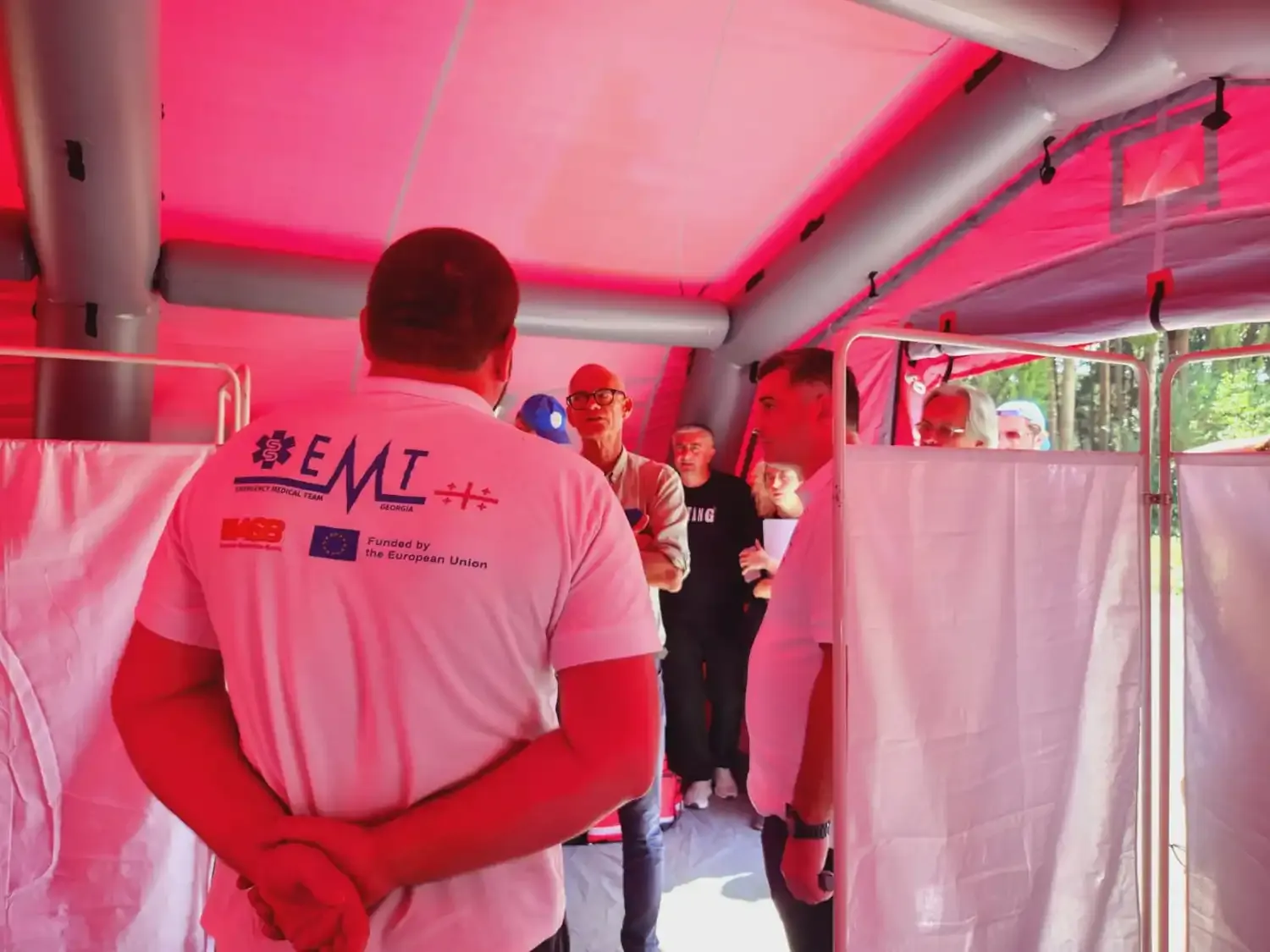
Emergency medical teams are teams of various types which, together with support functions such as logistics and maintenance, provide clinical medical care to people in areas affected by disasters, outbreaks of infectious diseases, conflicts or other health crises. It is an initiative created and led by the World Health Organization (WHO).
Our connection to the EMT-initative dates back since it was created, a process which our members of our research group, in particular our research group leader Johan von Schreeb, was heavily involved in. Over the years we have been part of developing the initiative, writing guidelines, creating trainings and much more. Today we work with the classification process of new EMTs, including as mentors for new teams, and participate in working and expert groups, in trainings and meetings, and act as expert support to the WHO Europe Region. We also conduct research on the EMT initiative. This is presented in more detail on our research page.
Currently, we support the National Board of Health and Welfare in their work to create a new Swedish emergency medical team initiative, which is looking into being classified according to the WHO’s Emergency Medical Team (EMT) standard.
In addition to strategic support and sharing our contacts in the EMT system, our role has mainly concerned education and training, where our team has adapted the EMT training that we have previously developed, to fit the Swedish initiative’s needs. For example, we facilitated the first week-long training session for those who will be working with the initiative.
IPA Care
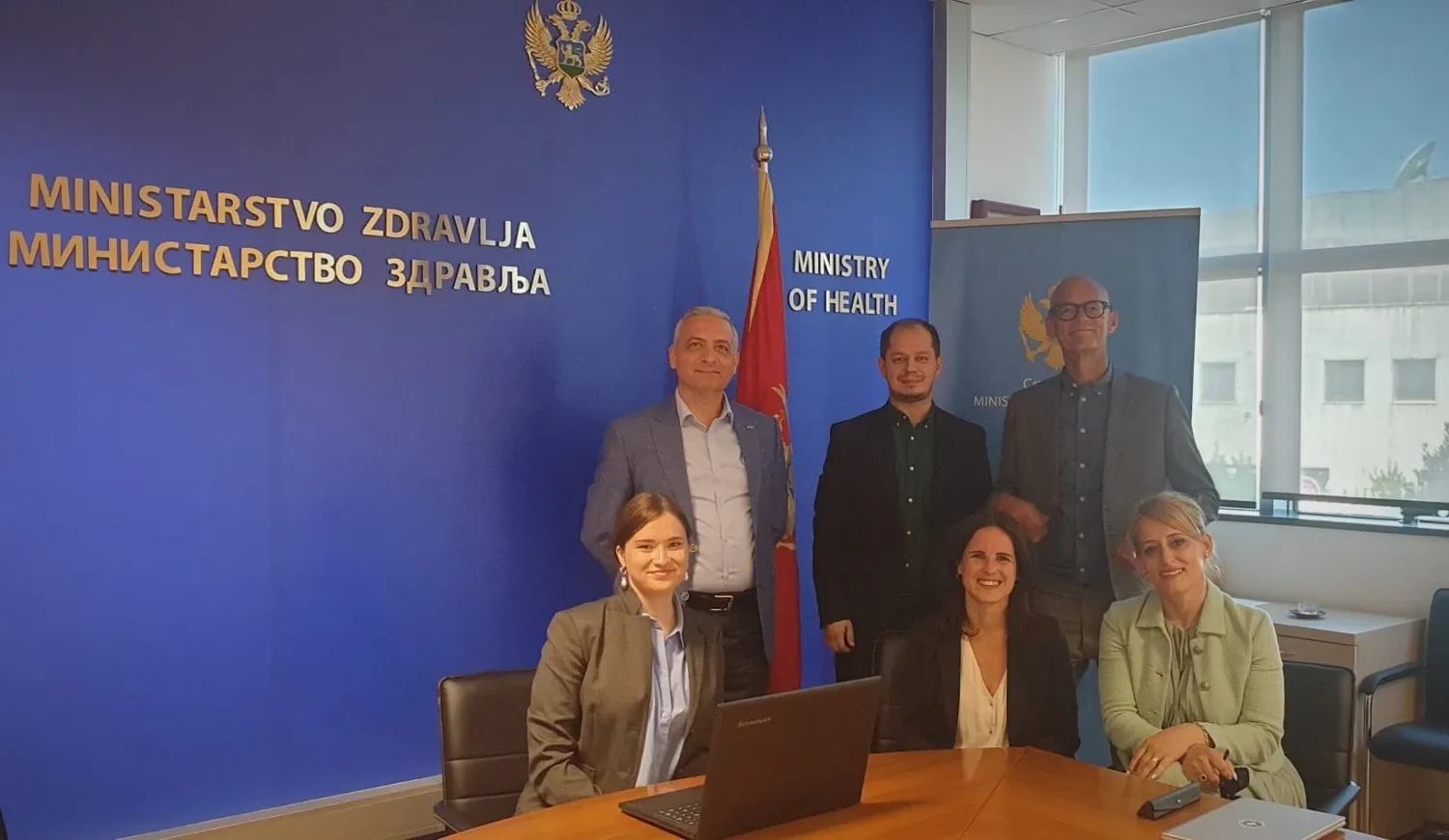
We are an affiliate partner in the consortium of the IPA Care project, led by the Swedish Civil Defence and Resilience Agency (MCF). The project aims to analyse the needs of countries in the Western Balkans, and Türkiye, to strengthen their capacity to prevent risks related to earthquakes and other health threats.
In the first part of the project, we contributed to needs and context analyses, conducted scoping missions and participated in study visits. Following on from that, we are currently supporting the countries in the region that expressed an interest to the WHO to create Emergency Medical Teams, as one aspect of improving their capacity. Members of our group are currently mentoring Albania, Bosnia and Montenegro in their EMT projects. In this, we collaborate closely with the WHO’s Europe Office.
WHO Collaborating Centre
We were designated a WHO Collaborating Centre for Research and Training on Health Care and Public Health in Disasters in 2017. Being a WHO Collaborating Centre means, among other things, that we have:
- Supported the WHO in promoting the EMT-initiative
- At WHO's request, developed and supported capacity building in disaster medicine for EMTs working in vulnerable settings
- Contributed to WHO's work in health systems and disasters, and protracted emergency situations
We also conducted a WHO Investment Case, using interviews and a case study to map how EMTs have been used, what the benefits have been, how EMTs are organised and what challenges they face.
Expert support in ongoing disasters
To make our expertise and experience available to support ongoing disaster response, preparedness and evaluation is a fundamental principle of our work. Working onsite in disasters inspires and influences our teaching and research, and that it strengthens our ability to provide knowledge support and contribute to policy development.
Disasters and disaster-stricken areas where our staff have worked in recent years, include:
- Gaza – During 2025, Märit Halmin and Martina Gustavsson both worked in Gaza, supporting local health care facilities in providing emergency and primary health care. Märit Halmin shared her experiences in interviews with the media, including the publication of her diary from her time working in there, and both spoke about their experiences of particularly attacks on health care at a seminar our group co-organised at KI in the spring of 2026.
- Lebanon – Märit Halmin and Johan von Schreeb both worked in Lebanon after the escalation of the conflict in the area in autumn 2024. Märit Halmin worked mainly on the construction of a new hospital. They have both worked in the country before, both when the explosions that hit Beirut in 2020 and during the COVID-19 pandemic.
- Ukraine – We have been involved in support to Ukraine in various ways since the outbreak of the war. Johan von Schreeb worked as a coordinator of international medical interventions in Ukraine, on behalf of the WHO, in the spring of 2022 and is currently mentoring the development of a Ukrainian EMT. Martina Gustavsson worked with the organisation UK-Med in Ukraine in the autumn of 2022. Members of our groups facilitated mass casualty management training in Moldova, on behalf of the WHO.
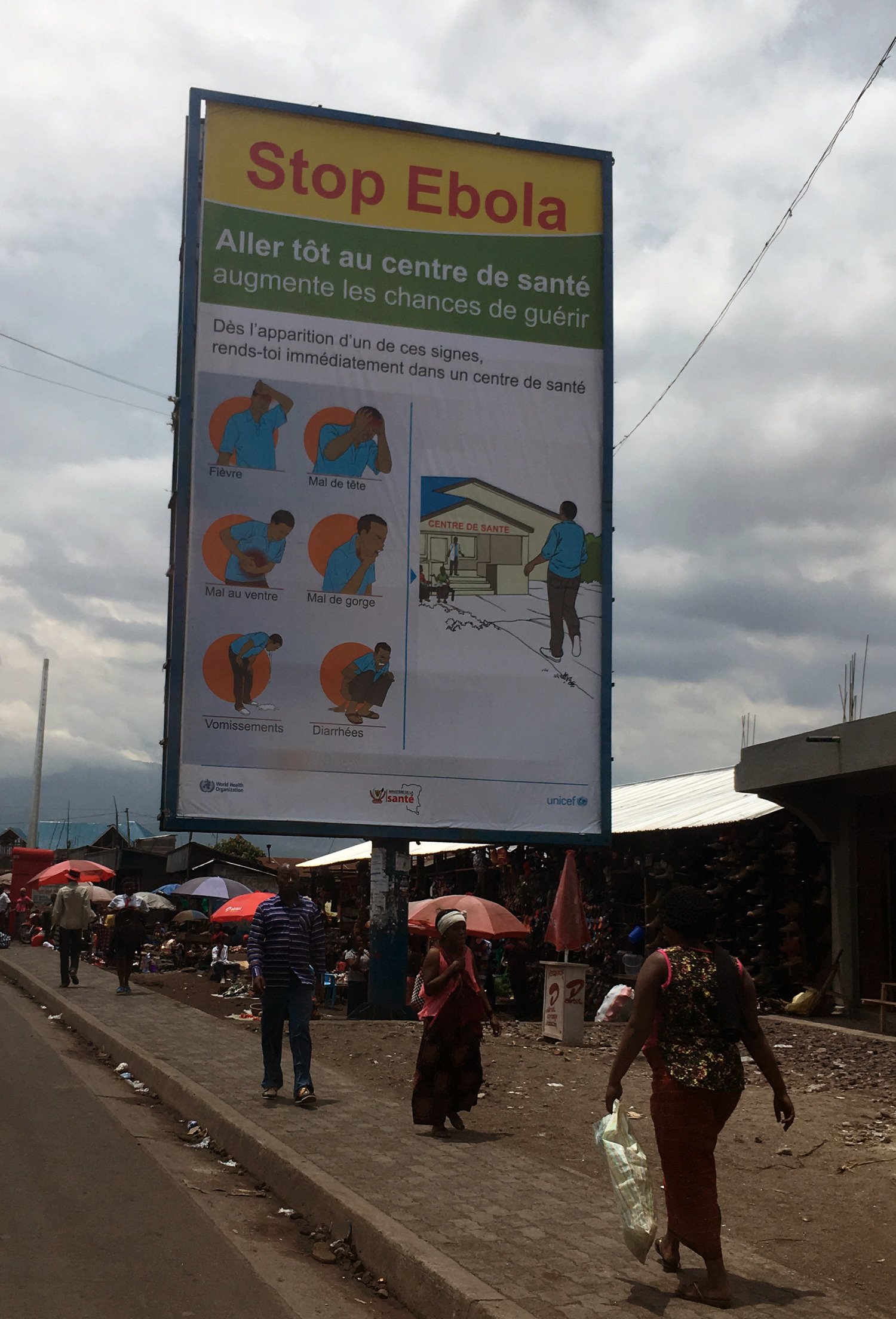
- Ebola – Several of our staff and affiliates have worked on Ebola, including during the outbreak in Uganda in 2022 and the major outbreak in West Africa in 2014. Their experience of working with Ebola and other highly contagious diseases, as well as knowledge of the correct use of personal protective equipment (PPE), was very valuable in supporting the Swedish response to the COVID-19 pandemic.
- Armed conflicts and earthquakes – Members of our team have extensive experience of working in earthquakes, most recently in the one that hit Türkiye in February 2023, where Johan von Schreeb supported the coordination of international relief efforts on the ground, through our partner UK-Med.
During the period 2016 to 2019, several of our group’s members worked in areas of ongoing conflict in Yemen and Iraq. Randomised trials on the treatment of blast and gunshot wounds from Iraq and Syria (published in the Lancet) laid the foundation for much of the group's research on war injuries. We have also conducted triage and prioritisation training in Iraq, Yemen, Ukraine and Moldova.
Previous work in policy advice, expertise and knowledge support
When the COVID-19 pandemic hit Sweden in spring 2020, we used our experience of working in disasters internationally to contribute to the country’s efforts to combat the pandemic. For example, we developed an online course for healthcare professionals and provided expertise when public actors, such as the National Board of Health and Welfare, developed their procedures and guidelines.
Anneli Eriksson, who is a research specialist in our group, worked in the Corona Commission. The commission was appointed by the Swedish government in June 2020 to evaluate the country's efforts to prevent the spread of COVID-19. In that role, she was able to draw on both her experience from fieldwork in disaster areas and her doctoral thesis on needs assessment in disasters.
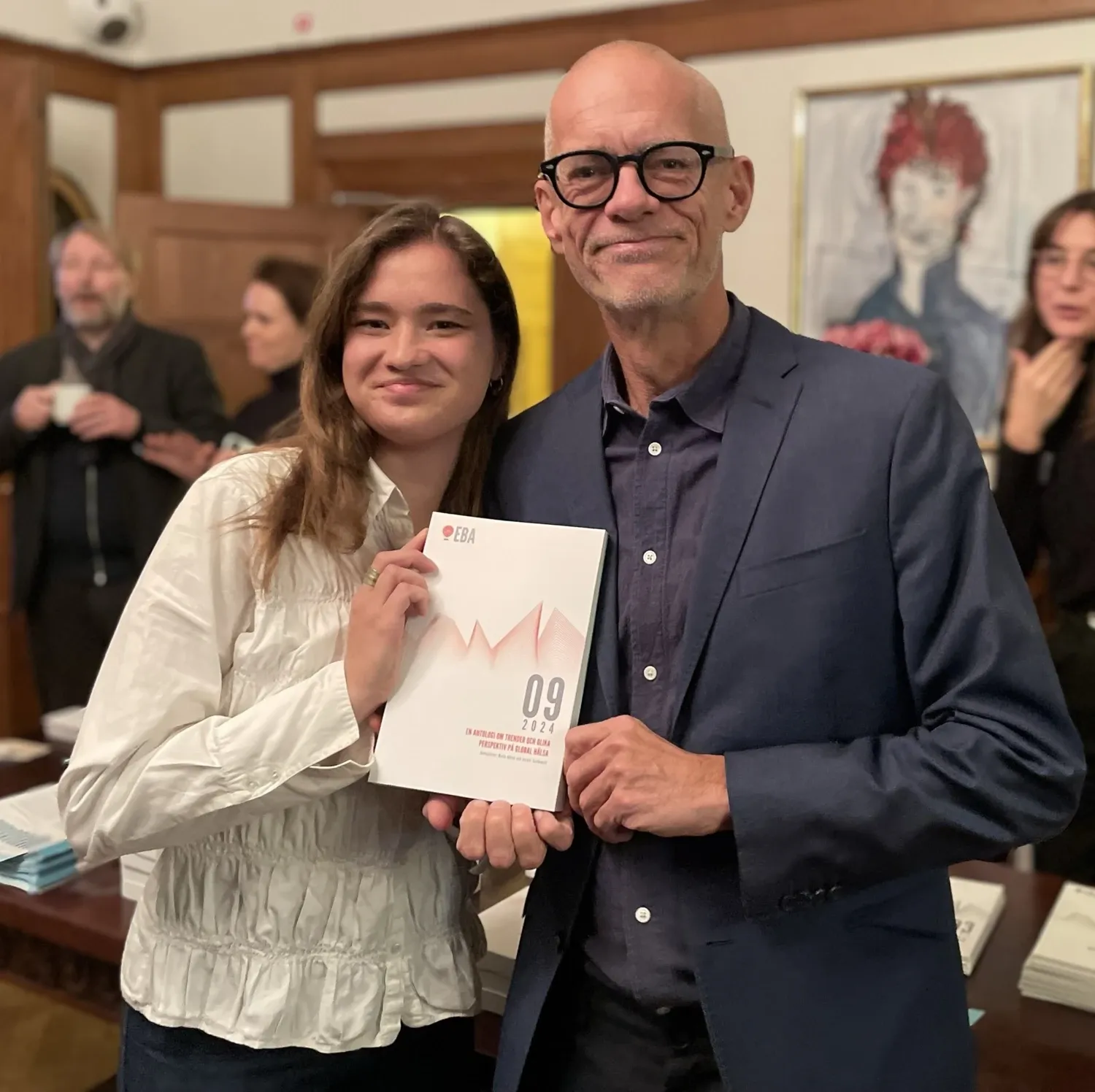
In 2024, Hannah von Reding and Johan von Schreeb wrote the chapter on health responses to disasters, focusing on global trends, challenges and opportunities in the Anthology of Trends and Perspectives on Global Health, published, in Swedish, by the Expert Group on Aid Analysis - EBA. Together with several of the anthology's other authors, they also wrote an opinion piece, published in Altinget in December 2024, warning that further cuts in aid budget, and ultimately in health aid, risk costing lives and undermining the progress that has been achieved so far.
Contact
Johan von Schreeb
ProfessorFor more information about the group's activities in policy advice, expertise and knowledge support, or if you are interested in collaborating with us, please contact our research group leader.