
Cardio-renal epidemiology – Juan-Jesus Carrero's research group

The main goal of the research activities in my team is to quantify the burden and best management strategies for people with kidney diseases, cardiovascular diseases, and diabetes. Furthermore, we aim to improve our understanding on the use and effect of medications, devices and electronic clinical decision support systems in routine care settings.

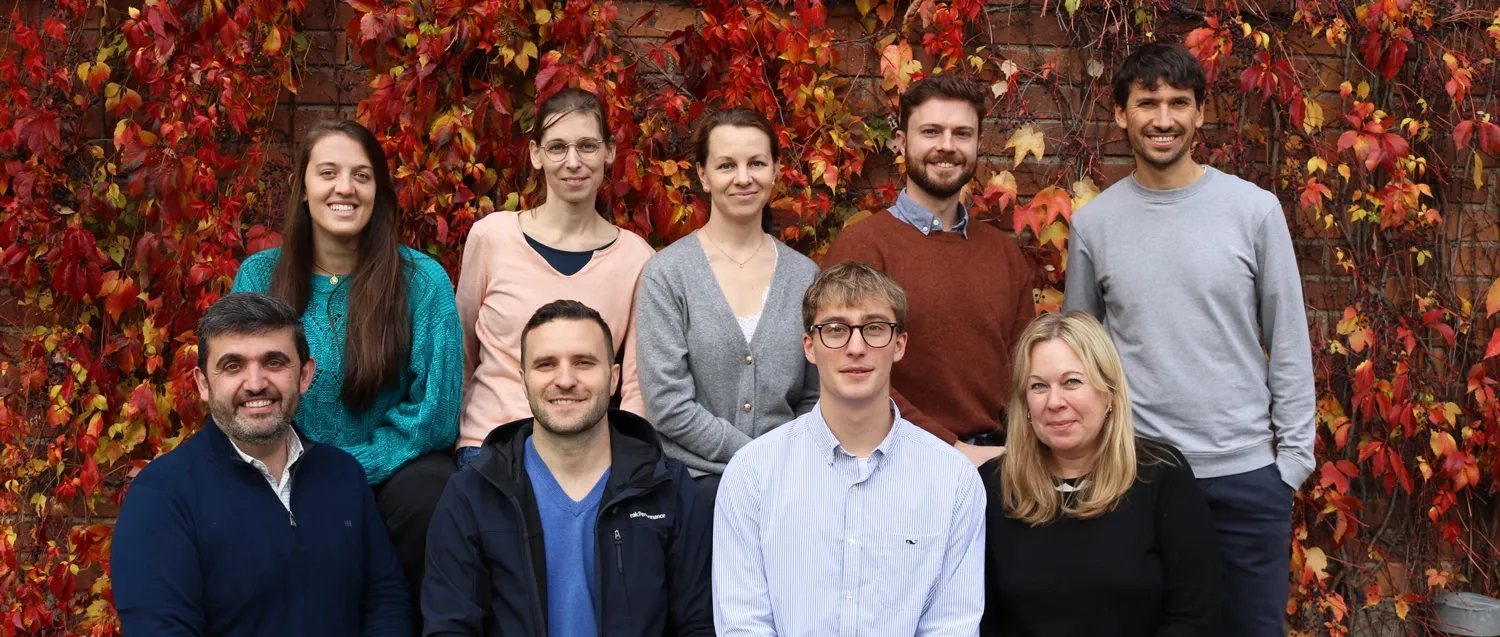
Picture of Professor Juan Jesus Carrero and his research group

Our research

We are a multidisciplinary team of epidemiologists, statisticians, pharmacists and physicians, currently working on five main research lines. 

Optimizing Knowledge of Treatment Effects 

We apply modern causal inference methods to estimate the real-world safety and effectiveness of medications and treatment strategies in diverse patient populations. We also explore heterogenous treatment effects using causal machine learning, to determine which patients are most likely to benefit from specific therapies. 

Recent publications: 

  • Huang T, Bosi A, Faucon AL, et al. GLP-1RA vs DPP-4i Use and Rates of Hyperkalemia and RAS Blockade Discontinuation in Type 2 Diabetes. JAMA Intern Med. Published online August 12, 2024. doi:10.1001/jamainternmed.2024.3806
  • Bosi A, Clase CM, Ceriani L, et al. Absolute and Relative Risks of Kidney Outcomes Associated With Lithium vs Valproate Use in Sweden. JAMA Netw Open. 2023;6(7):e2322056. doi:10.1001/jamanetworkopen.2023.22056
  • Faucon AL, Fu EL, Stengel B, Mazhar F, Evans M, Carrero JJ. A nationwide cohort study comparing the effectiveness of diuretics and calcium channel blockers on top of renin-angiotensin system inhibitors on chronic kidney disease progression and mortality. Kidney Int. 2023;104(3):542-551. doi:10.1016/j.kint.2023.05.024
  • Xu H, Garcia-Ptacek S, Bruchfeld A, et al. Association between cholinesterase inhibitors and kidney function decline in patients with Alzheimer's dementia. Kidney Int. 2023 Jan;103(1):166-176. doi: 10.1016/j.kint.2022.09.022.
  • Xu Y, Fu EL, Clase CM, et al. GLP-1 receptor agonist versus DPP-4 inhibitor and kidney and cardiovascular outcomes in clinical practice in type-2 diabetes. Kidney Int. 2022 Feb;101(2):360-368. doi: 10.1016/j.kint.2021.10.033 

Risk-Based Clinical Decision Support 

We aim to understand factors that accelerate the occurrence of worse clinical outcomes, and improve current risk prediction models used for severity stratification, and develop new tools to guide care decisions using individualized risk prediction. 

Recent publications: 

  • Caldinelli A, Faucon AL, Sjölander A, et al. Risk-based referral model to nephrologist-specialist care in Stockholm. Nephrol Dial Transplant. Published online July 9, 2025:gfaf128. doi:10.1093/ndt/gfaf128
  • Mazhar F, Faucon AL, Fu EL, et al. Systemic inflammation and health outcomes in patients receiving treatment for atherosclerotic cardiovascular disease. Eur Heart J. 2024;45(44):4719-4730. doi:10.1093/eurheartj/ehae557
  • Andersson-Emad J, Thunholm A, Nash S, et al. Study protocol of the ALMA-CKD trial; an electronic triggering decision-support system to improve the detection, recognition, and management of patients with chronic kidney disease in primary care. BMC Nephrol. 2024;25(1):408. doi:10.1186/s12882-024-03852-z
  • Mahalingasivam V, Faucon AL, Sjölander A, et al. Kidney Function Decline After COVID-19 Infection. JAMA Netw Open. 2024 Dec 2;7(12):e2450014. doi: 10.1001/jamanetworkopen.2024.50014.  

 Improving Estimation of Kidney Function 

We investigate how different equations and biomarkers used to estimate glomerular filtration rate influence its precision, clinical decision-making or outcomes across diverse populations. 

Recent publications: 

  • Russel WA, Fu EL, Bosi A, et al. Obesity, Underweight, and Accuracy of eGFR Using Cystatin C and Creatinine in a Northern European Population. J Am Soc Nephrol. Published online June 13, 2025. doi:10.1681/ASN.0000000760
  • Russel WA, Fu EL, Creon A, et al. Changing from the CKD-EPI to the EKFC creatinine equation to estimate glomerular filtration rate in adults in a Northern European health system. Nephrol Dial Transplant. Published online August 11, 2025:gfaf148. doi:10.1093/ndt/gfaf148
  • Fu EL, Carrero JJ, Sang Y, et al. Association of Low Glomerular Filtration Rate With Adverse Outcomes at Older Age in a Large Population With Routinely Measured Cystatin C. Ann Intern Med. 2024 Mar;177(3):269-279. doi: 10.7326/M23-1138
  • Fu EL, Levey AS, Coresh J, et al. Accuracy of GFR Estimating Equations in Patients with Discordances between Creatinine and Cystatin C-Based Estimations. J Am Soc Nephrol. 2023 Jul 1;34(7):1241-1251. doi: 10.1681/ASN.0000000000000128.
  • Carrero JJ, Fu EL, Sang Y, et al. Discordances Between Creatinine- and Cystatin C-Based Estimated GFR and Adverse Clinical Outcomes in Routine Clinical Practice. Am J Kidney Dis. 2023 Nov;82(5):534-542. doi: 10.1053/j.ajkd.2023.04.002

Identifying and Addressing Care Gaps 

We evaluate disparities in the clinical management of kidney and cardiovascular diseases, quantify their impact on outcomes, and assess targeted interventions to improve them. 

Recent publications: 

  • Creon A, Faucon AL, Caldinelli A, et al. Care processes and clinical responses to newly detected albuminuria; the Stockholm CREAtinine Measurements (SCREAM) project. American Journal of Kidney diseases. 2025, In press.
  • Swartling O, Yang Y, Clase CM, et al. Sex Differences in the Recognition, Monitoring, and Management of CKD in Health Care: An Observational Cohort Study. Journal of the American Society of Nephrology. 2022;33(10):1903. doi:10.1681/ASN.2022030373
  • Xu Y, Evans M, Mazhar F, et al. Poor recognition and undertreatment of anemia in patients with chronic kidney disease managed in primary care. J Intern Med. 2023 Nov;294(5):628-639. doi: 10.1111/joim.13702
  • Mazhar F, Sjölander A, Fu EL, et al. Estimating the prevalence of chronic kidney disease while accounting for nonrandom testing with inverse probability weighting. Kidney Int. 2023 Feb;103(2):416-420. Doi: 10.1016/j.kint.2022.10.027 

Individualising health trajectories of chronic kidney disease etiologies 

We explore the association of specific kidney diseases with health outcomes, beyond estimated glomerular filtration rate and albuminuria levels. 

Recent publications: 

  • Chrysostomou C, Faustini F, Segelmark M. Risk of severe infection and infection-related mortality in CKD-patients with lupus nephritis in comparison to other CKD etiologies a nationwide cohort study. Kidney International, In Press
  • Faucon AL, Lundberg S, Lando S, et al. Albuminuria predicts kidney events in IgA nephropathy. Nephrol Dial Transplant. Published online April 30, 2024. doi:10.1093/ndt/gfae085
  • Faucon AL, Lando S, Chrysostomou C, et al. Primary glomerular diseases and long-term adverse health outcomes: A nationwide cohort study. J Intern Med. 2025 Jan;297(1):22-35. doi: 10.1111/joim.20024 
Publications

All publications from group members

Staff and contact

Group leader

All members of the group

Other people connected to the group

  • Russel, William

Visiting address

Karolinska Institutet, Department of Medical Epidemiology and Biostatistics, Nobels väg 12A, Stockholm, 17177, Sverige

Postal address

Karolinska Institutet, Department of Medical Epidemiology and Biostatistics, PO Box 281, Stockholm, 171 77, Sweden

About the PI 

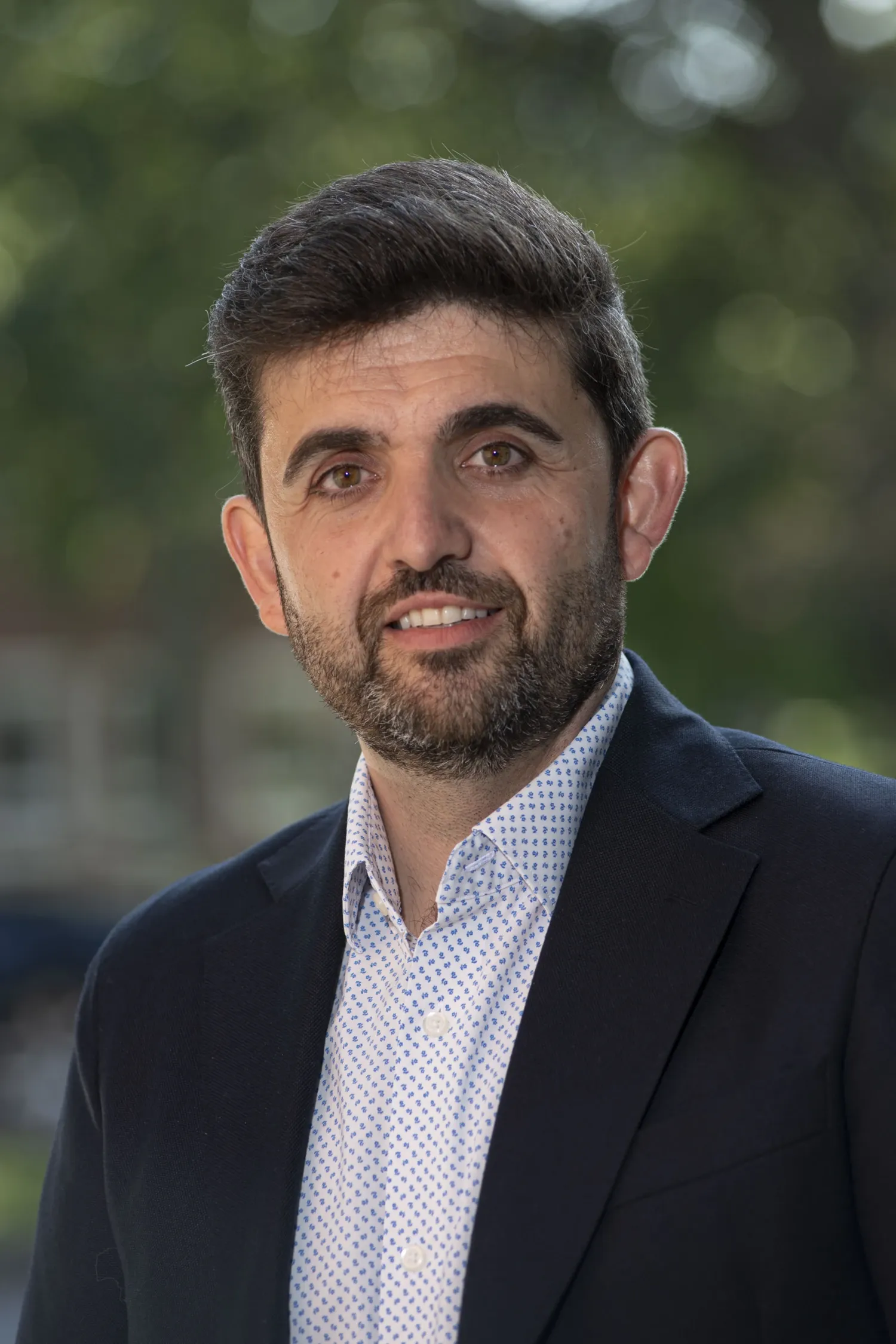
Juan Jesus Carrero, portrait.
Juan Jesus Carerro, Professor in cardio-renal Epidemiology at the Department of Medical Epidemiology and Biostatistics (MEB) and lektor at Örebro University, School of Medicine. Credit: Stefan Zimmerman.

Juan-Jesus Carrero serves a Professor of Cardiorenal Epidemiology at Karolinska Institutet, Sweden, where he leads a research program dedicated to advancing the field of cardio-renal epidemiology. He also serves as a senior researcher at the Division of Renal Medicine at Danderyd Hospital. 

Dr. Carrero was born in Spain, where he studied Pharmacy (University of Granada, 2005) and conducted a PhD in Pharmacy (2000) on nutrition and cardiovascular risk. He started postdoctoral studies at Karolinska Institutet and decided to gain more knowledge in statistics and epidemiology through a second PhD, this time in Medicine, in 2008. He became Professor in 2019. His multidisciplinary academic background in pharmacy, medicine, and epidemiology forms the foundation of his integrative approach to understanding and improving kidney and cardiovascular health. 

Dr. Carrero’s group investigates the intersection between kidney and cardiovascular diseases through large-scale epidemiological studies, leveraging population-based registries, laboratory data, and biopsy information.  

Through collaborative research with multiple research groups in Sweden and abroad, we aim to inform strategies for improving patient outcomes and optimizing clinical management across disciplines. 

Collaborators

We have built a strong research network both within Sweden and internationally. These collaborations strengthen our work by bringing together diverse expertise, perspectives, and methodological approaches. 

In Sweden, our key collaborators include 

Our key international collaborators include: 

  • Prof. Morgan Grams and Prof Josef Coresh, New York Langone University, US, and the CKD-PC consortium, through funding from the NIH 
  • Prof. Andrew S Levey and Prof. Leslie Inker, Tufts University, US, and the CKD-EPI consortium 
  • Dr. Jennifer Lees at University of Glasgow through funding from the UK Wellcome trust 
  • Dr. Edouard L Fu, University of Leiden Medical Center, The Netherlands 
  • Dr. Yang Xu, Peking University, China   

Datasets

The Stockholm CREAtinine Measurements (SCREAM) project 

SCREAM is a recurrent linkage of healthcare data for all residents of Stockholm since 2006. SCREAM contains longitudinal health data for more than 3,5 million people followed for a median of 12 years. For those that have at least one measurement of creatinine or albuminuria, we also obtain a large list of laboratory tests. There are more than 2.2 million people with repeated laboratory measurements in the cohort, exceeding more than 300 million laboratory determinations. We are currently finalizing the 4th data update, collecting information up to December 2025. Deidentified patient data is expected to arrive to our offices in the Spring of 2026. 

SCREAM is linked to a range of national and regional databases collecting information on among other things healthcare use (primary care, specialised care and inpatient care), dispensed medications, socioeconomic status and death. Additional linkage with disease-specific quality registers provides additional clinical parameters for cardiovascular diseases, advanced kidney disease and dementia.  

The principal aims of SCREAM are to assess the burden and consequences of chronic kidney disease (CKD) and the risk-benefit of treatments in people with impaired kidney function. Results have had clinical impact and have informed multiple clinical guidelines.  

If you are interested in reading more about SCREAM, please consult: 

Carrero, Juan Jesus, and Carl Gustaf Elinder. “The Stockholm CREAtinine Measurements (SCREAM) project: Fostering improvements in chronic kidney disease care.” 

Or visit: https://www.clinicaltrials.gov/study/NCT06239129 

The Stockholm plasma iohexol clearance cohort 

As a subset of SCREAM, we extracted information on over 20.000 plasma iohexol clearance determinations performed by the Karolinska University Laboratory Department in connection with routine care encounters.  

This is the largest collection of real-world assessments of the gold standard determination for glomerular filtration rate.  

Within this unique cohort, we explore, among other topics, the accuracy of estimating GFR equations, the impact of measure GFR on adverse health outcomes or the effect of medications on cystatin C generation. 

The Swedish KIdney Pathology (SKIP) cohort  

SKIP is our new project that after two years of data linkages it reached our office in June 2025. SKIP is the result of a collaboration with all pathology departments that interpret kidney biopsies in Sweden, enriched with deterministic linkage with a variety of national and quality registries. 

SKIP captures all patients with clinically recognized CKD in Sweden since 1980.  It includes approximately 500.000 individuals with a clinical diagnosis of CKD, of which 76.000 have undergone kidney biopsy and, through pathology reports and SNOMED codes, we can adjudicate the underlying cause of CKD. 

In addition SKIP has two type of control populations:  

  • 2.5 million matched individuals (5 per CKD patient) without clinically recognize CKD but with the same age, sex and from the same region in Sweden.
  • About 6 million first-degree relatives, including their parents, their siblings, spouses and children. 

Similar data linkages as in SCREAM provide information on 45 years of received clinical diagnoses, experienced health events and dispensed medications. Through merging with SCREAM, the Swedish Renal Registry and the KaroKidney project, a large proportion of the SKIP population has extensive characterization of laboratory marker trajectories.  

The main aims of SKIP are to address the burden of CKD in Sweden, to evaluate health trajectories and lifetime risks of rare kidney diseases, and to analyze hereditability traits by exploring disease occurrence across generations. 

During 2026 we will initiate the digital scanning of about 15.000 biopsies and initiate a new research line on morphometric analyses to correlate biopsy features with adverse health outcomes or response to treatments. 

The Swedish Renal Registry (SRR) 

In collaboration with the Nephrology Department at the Karolinska University Hospital, we analyse data from the Swedish Renal Registry, a quality registry that captures all nephrology-referred patients with incident advanced CKD in Sweden since 2008.  

The ALMA-CKD trial  

After years evidencing in our work the under-recognition of patients with CKD, we decided to attempt improving it.  

Using the ALMA (Automated Learnable Medical Assistant) platform, a software that provides clinical advice to clinicians in primary care in Stockholm, this project tests the impact of electronic decision-support systems to improve the detection and management of people with CKD in primary care.  

We are completing 2-year pragmatic cluster randomized control trial where 70 primary care centres have been randomized to receive electronic advice to assist in the identification and management of patients with CKD. The centres have more than 1500 health care professionals and care for about 750 000 people. The intervention finished in September 2025 and data collection is embedded in the SCREAM project.  Analyses will start in Spring 2026 when pseudoanonymized linked data reaches our offices.  

You can read more about the ALMA-CKD trial in: 

Clinical impact

Our research has informed many (inter)national clinical practice guidelines and our work is frequently cited in position or consensus statements:

Clinical Impact
Guideline / position statementInformed by
Inflammation and Cardiovascular Disease: 2025 ACC Scientific Statement: A Report of the American College of Cardiology: https://pubmed.ncbi.nlm.nih.gov/41020749/Mazhar et al. European Heart Journal 2024: https://pubmed.ncbi.nlm.nih.gov/39211962/
Executive summary of the KDIGO 2025 Clinical Practice Guideline for the Management of Immunoglobulin A Nephropathy (IgAN) and Immunoglobulin A Vasculitis (IgAV): https://pubmed.ncbi.nlm.nih.gov/40975525/Faucon et al. Nephrol Dial Transplant 2025: https://pubmed.ncbi.nlm.nih.gov/38688876/
AHA/ACC Guideline for the Prevention, Detection, Evaluation and Management of High Blood Pressure in Adults (2025): https://pubmed.ncbi.nlm.nih.gov/40811497/Fu et al. Ann Intern Med 2024: https://pubmed.ncbi.nlm.nih.gov/38285982/
National Kidney Foundation Workgroup Consensus on Implementation of Race-Free eGFR-Based Medication-Related Decisions (2025): https://pubmed.ncbi.nlm.nih.gov/39552516/Fu et al. J Am Soc Nephrol 2023: https://pubmed.ncbi.nlm.nih.gov/36995139/
Clinical management and therapeutic optimization of patients with heart failure with reduced ejection fraction and low blood pressure. A clinical consensus statement of the Heart Failure Association (HFA) of the ESC (2025): https://pubmed.ncbi.nlm.nih.gov/40012353/Trevisan, Fu et al. Eur J Heart Fail 2021: https://pubmed.ncbi.nlm.nih.gov/34196082/
KDOQI US Commentary on the KDIGO 2024 Clinical Practice Guideline for the Evaluation and Management of CKD (2024): https://pubmed.ncbi.nlm.nih.gov/39556063/Fu et al. J Am Soc Nephrol 2021: https://pubmed.ncbi.nlm.nih.gov/33372009/
Fu et al. J Am Soc Nephrol 2023: https://pubmed.ncbi.nlm.nih.gov/36995139/
Fu et al. J Am Soc Nephrol 2021: https://pubmed.ncbi.nlm.nih.gov/33372009/
Janse, Fu et al. CKJ 2022: https://pubmed.ncbi.nlm.nih.gov/35664269/
Xu, Fu et al. Am Heart J 2022: https://pubmed.ncbi.nlm.nih.gov/34610282/
Trevisan, Fu et al. Eur J Heart Fail 2021: https://pubmed.ncbi.nlm.nih.gov/34196082/
Bidulka, Fu et al. BMC Med 2020: https://pubmed.ncbi.nlm.nih.gov/32723383/
CKD Prognosis Consortium. JAMA 2023: https://pubmed.ncbi.nlm.nih.gov/37787795/
Dutch Federation of Nephrology (NFN)/Dutch Association for Clinical Chemistry and Laboratory Medicine (NVKC) position statement (2023)Fu et al. NDT 2023: https://pubmed.ncbi.nlm.nih.gov/35689668/
European Renal Association position statement (2023): https://pubmed.ncbi.nlm.nih.gov/36069913/Fu et al. NDT 2023: https://pubmed.ncbi.nlm.nih.gov/35689668/
European Federation of Clinical Chemistry and Laboratory Medicine position statement (2023): https://pubmed.ncbi.nlm.nih.gov/36279207/Fu et al. NDT 2023: https://pubmed.ncbi.nlm.nih.gov/35689668/
KDOQI US Commentary on the 2021 KDIGO Clinical Practice Guideline for the Management of Blood Pressure in CKD (2022): https://pubmed.ncbi.nlm.nih.gov/35063302/Fu et al. J Am Soc Nephrol 2021: https://pubmed.ncbi.nlm.nih.gov/33372009/
NICE real-world evidence guideline (2022): https://www.nice.org.uk/corporate/ecd9/chapter/appendix-2-reporting-on-…Fu et al. BMJ 2021: https://pubmed.ncbi.nlm.nih.gov/34844936/
KDIGO 2022 Clinical Practice Guideline for Diabetes Management in Chronic Kidney Disease: https://www.webofscience.com/wos/woscc/full-record/WOS:000894458400001Kelly et al. J Am Soc Nephrol 2021: https://pubmed.ncbi.nlm.nih.gov/32868398/
Women and kidney health: conclusions from a Kidney Disease: Improving Global Outcomes (KDIGO) Controversies Conference: https://www.webofscience.com/wos/woscc/full-record/WOS:001581185300004Swartling et al. J Am Soc Nephrol 2022: https://pubmed.ncbi.nlm.nih.gov/35906075/
Heart failure in Europe: Guideline-directed medical therapy use and decision making in chronic and acute, pre-existing and de novo, heart failure with reduced, mildly reduced, and preserved ejection fraction - the ESC EORP Heart Failure III Registry: https://www.webofscience.com/wos/woscc/full-record/WOS:001309897800001Janse et al. Eur J Heart Fail 2022: https://pubmed.ncbi.nlm.nih.gov/35851740/
How to tackle therapeutic inertia in heart failure with reduced ejection fraction. A scientific statement of the Heart Failure Association of the ESC: https://www.webofscience.com/wos/woscc/full-record/WOS:001229152400001Janse et al. Eur J Heart Fail 2022: https://pubmed.ncbi.nlm.nih.gov/35851740/
The Spanish Scientific Societies before the ESC 2021 guidelines on vascular disease prevention: Generalizing the measurement of albuminuria to identify vascular risk and prevent vascular disease: https://www.webofscience.com/wos/woscc/full-record/WOS:001068572200011Bosi et al. Clin Kidney J 2021: https://pubmed.ncbi.nlm.nih.gov/35296039/
Chronic kidney disease as cardiovascular risk factor in routine clinical practice: a position statement by the Council of the European Renal Association: https://www.webofscience.com/wos/woscc/full-record/WOS:000865583100001Bosi et al. Clin Kidney J 2021: https://pubmed.ncbi.nlm.nih.gov/35296039/

Join us!

We are always excited to welcome new members and collaborators. With our team, you will have the opportunity to work on exciting projects in a vibrant, multidisciplinary and multicultural environment driven by our patient on clinical epidemiology. 

Get in touch with us to learn about current enrolment opportunities or research stays/rotations. Contact Juan Jesus Carrero