
Team Maternal-Fetal Immune Dynamics in Infection
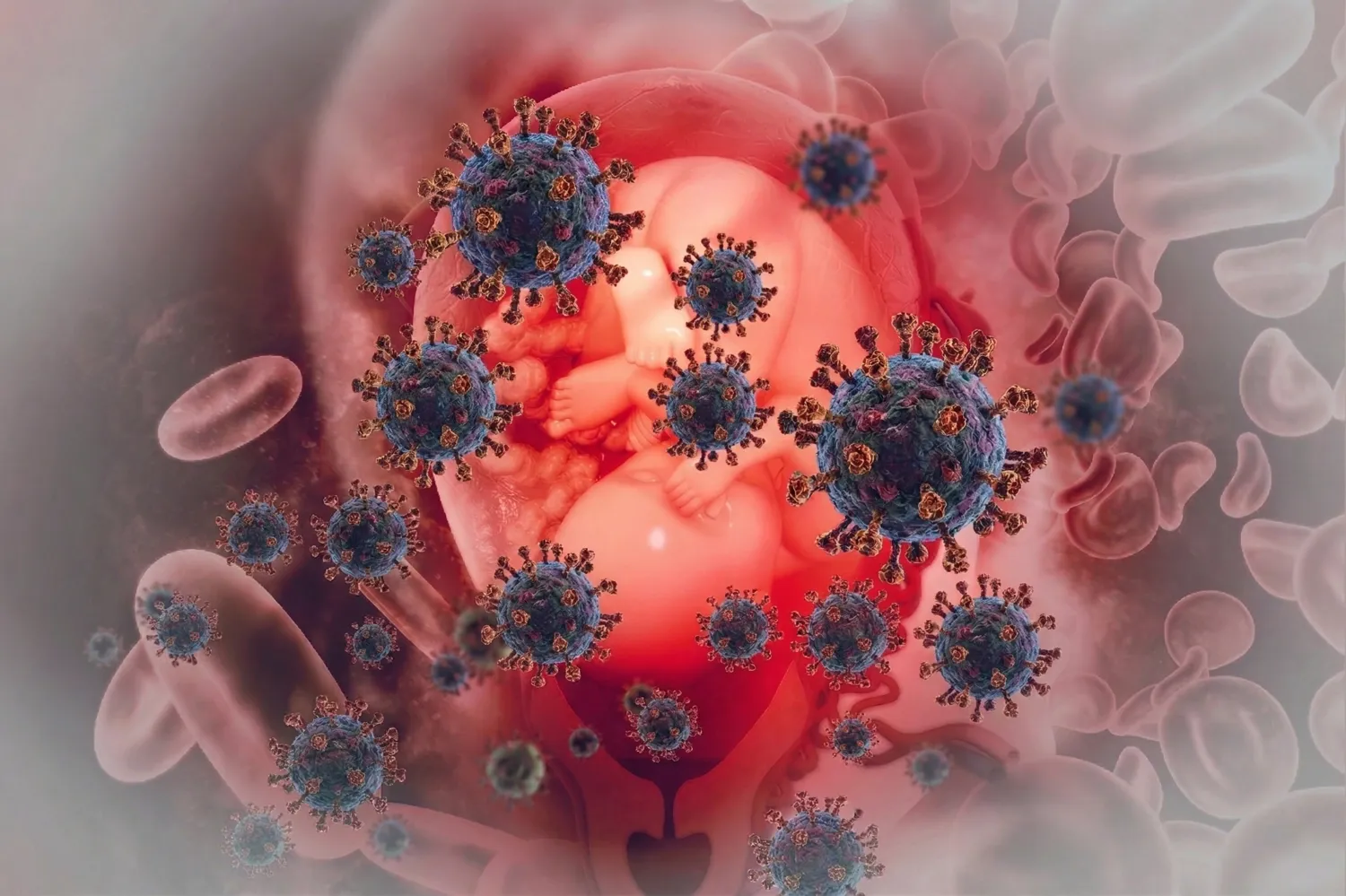
We study how maternal infection drives immunometabolic adaptations at the maternal-fetal interface, and how these changes shape early immune programming in children.
Research
Maternal-fetal immunometabolism in infection
We study how maternal infection drives immunometabolic adaptations at the maternal-fetal interface, and how these changes shape early immune programming in children. By combining spatial multi-omics, high-dimensional single-cell profiling, and integrative multi-omics approaches, we map tissue microenvironments at exceptional resolution, uncovering how infectious exposures modulate cellular communication, remodel tissues, and influence immune trajectories from in utero through infancy and into adulthood. Using clinical cohort samples alongside experimental models, we aim to disentangle the effects of infection from those of therapies, and to define the mechanisms linking placental biology to children's immune development - ultimately informing strategies for improving maternal-fetal health.
Natural killer cell biology in HIV infection
A parallel research line investigates how chronic HIV infection shapes natural killer cell responses. Natural killer cells are of particular interest in HIV research not only as effectors of antiviral immunity, but as potential mediators of a functional cure: their capacity to recognize and eliminate infected cells without prior sensitization makes them attractive targets for reservoir-clearing strategies. Using well-characterized patient cohorts, we examine how long-term viral exposure remodels NK cell phenotype, function, and adaptive potential across diverse populations, and what these changes mean for the prospect of achieving durable viral control in the absence of treatment.
Research questions
- How does HIV exposure during pregnancy remodel the placental tissue microenvironment at cellular and spatial resolution?
- What immunometabolic adaptations occur at the maternal-fetal interface in the context of maternal infection?
- How do infection-driven changes in the placenta shape early immune programming in children?
- Can NK cell functional properties be harnessed to target the HIV reservois and what defines an effective NK cell response in the context of a functional cure?
Funding
Vetenskapsrådet
Åke Wibergs Stiftelse Stora Anslag
Jeanssons Stiftelser
Join us
We are always excited to hear from motivated students and postdoctoral researchers interested in joining our team. Although there are currently no open positions, we are happy to explore ideas together with prospective candidates and support strong candidates in pursuing independent fellowships or external funding opportunities - for example, Postdoctoral Fellowships from Marie Skłodowska-Curie Actions, EMBO, or the Human Frontier Science Program.
Please contact the Team leader, Iva Filipovic, for more information: iva.filipovic@ki.se