
Why Metastasis?
Metastasis is responsible for approximately 90% of all cancer-related deaths, yet it remains one of the least understood aspects of cancer biology. While significant advances have been made in the diagnosis and treatment of primary tumors, the mechanisms that enable cancer cells to spread, survive, and establish new tumors in distant organs are still incompletely understood.
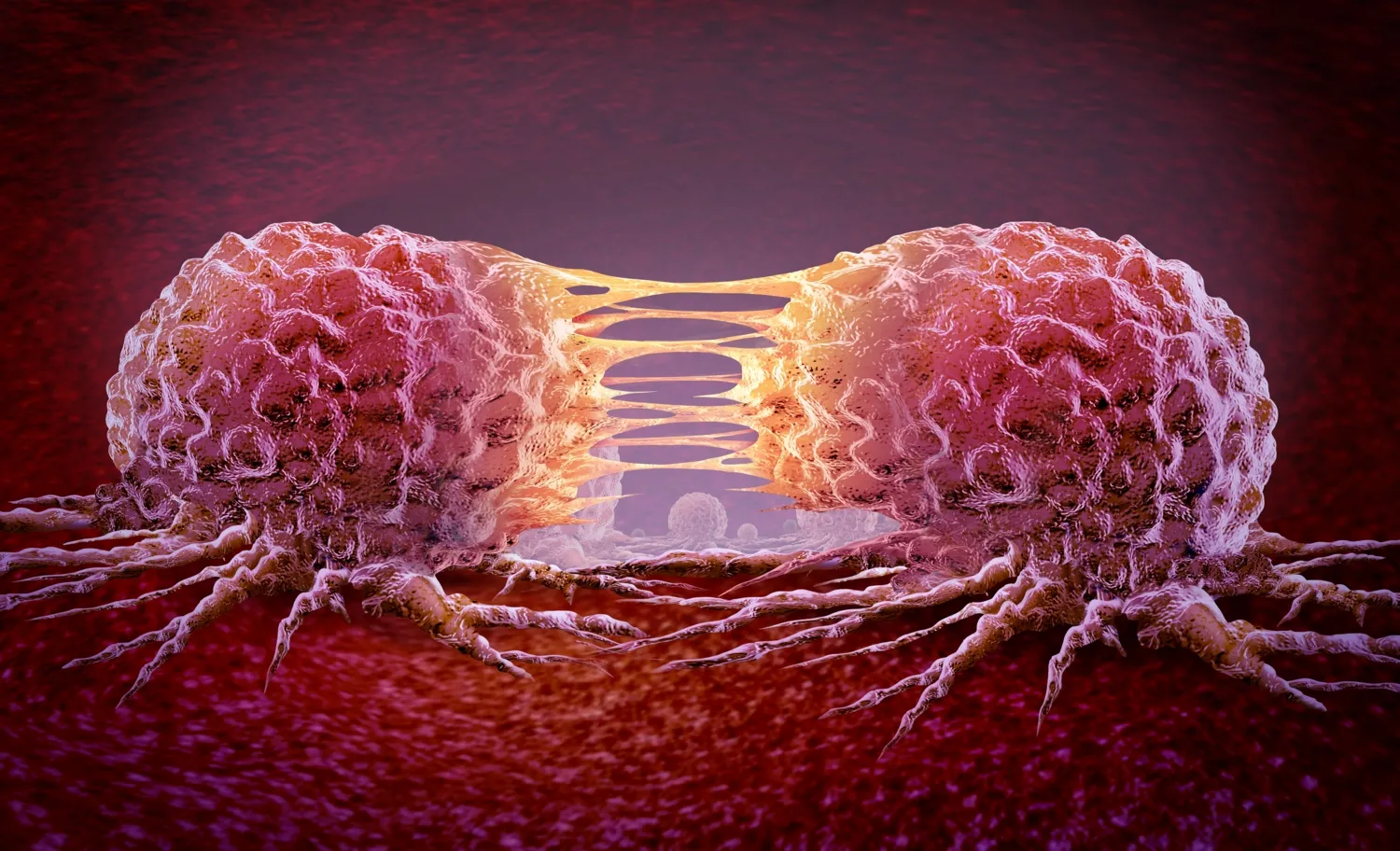
Metastasis is a complex, multi-step process involving interactions between cancer cells, the immune system, stromal cells, blood and lymphatic vessels, and the tissues that eventually become sites of secondary tumor growth. These interactions influence not only the ability of cancer cells to disseminate but also their capacity to evade therapy and resist immune attack.
Understanding the biological processes that drive metastatic disease is therefore essential for improving patient survival. New insights into cancer cell plasticity, tumor evolution, immune regulation, and metastatic organ colonization are creating opportunities to develop better diagnostic tools, identify patients at risk, prevent metastatic spread, and design more effective therapies.
Despite its enormous clinical impact, metastasis research has historically received less attention than research on primary tumors. Addressing this challenge requires coordinated efforts that bring together expertise across disciplines, institutions, and countries.
Building a collaborative approach
The Centre for Metastasis Research (CMR) was established to help meet this challenge by creating an interdisciplinary and internationally connected environment dedicated to advancing metastasis research and translating discoveries into improved patient care.
Through the KI–NYU Metastasis Alliance and other international collaborations, CMR aims to accelerate progress by connecting leading researchers, clinicians, and trainees across disciplines and continents.