
The 3R principle in research with macaques
At Karolinska Institutet, all research involving animals follows the 3R principle: Replace, Reduce and Refine. This ethical framework guides how studies with non-human primates, such as rhesus macaques and crab-eating macaques, are planned and conducted. The goal is always to ensure high scientific quality while safeguarding animal welfare.
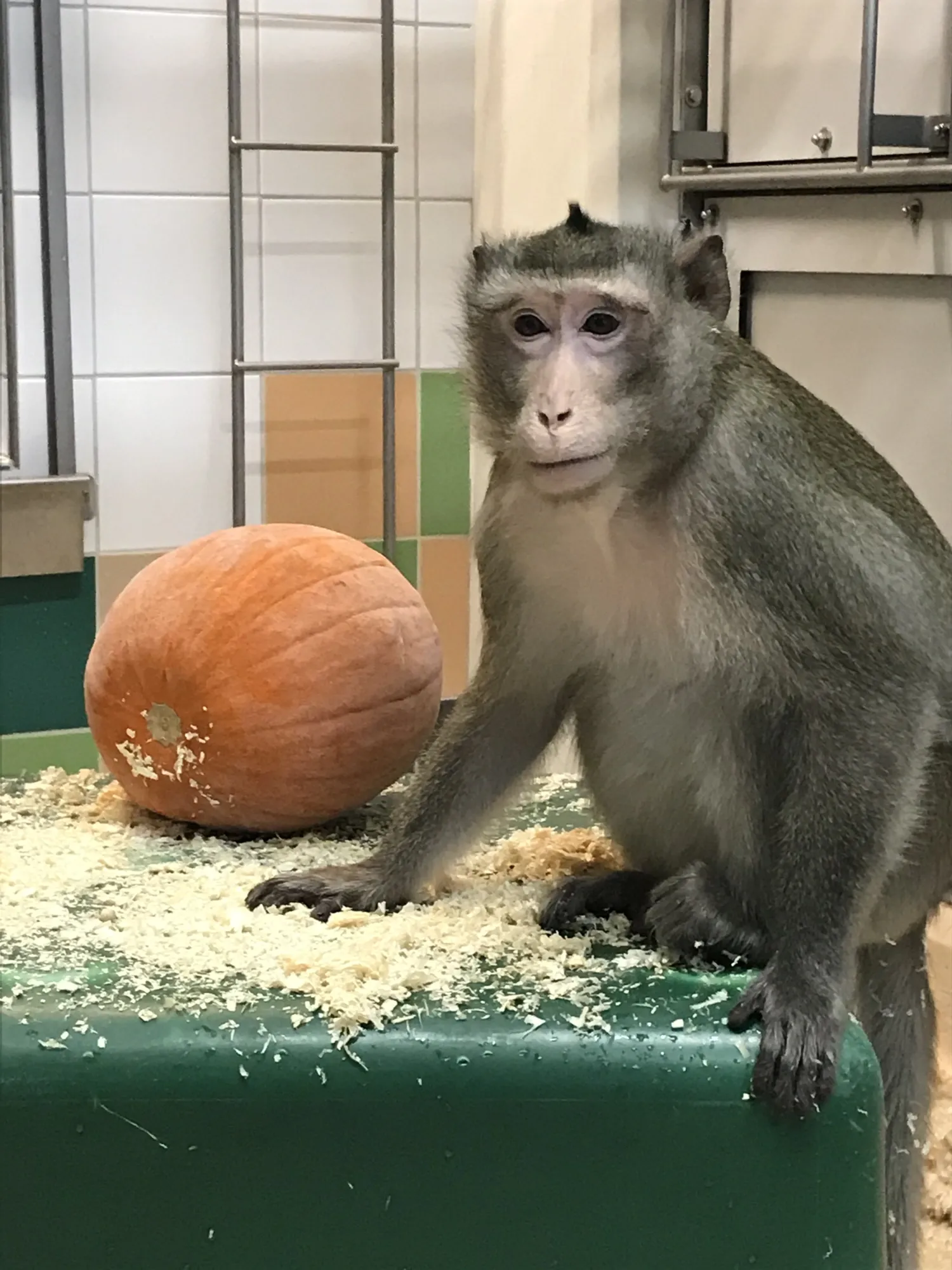
The principle is an ethical framework that guides our research involving animals, and it is something we work with intensively in studies.
In research involving macaques, the 3R principle is applied by:
- never using macaques when alternatives are available
- minimizing the number of macaques used and purchased
- making the procedures as gentle as possible and providing a stimulating everyday life
Replace – replacing animal studies when possible
Macaques are used only when no other method can provide equally reliable knowledge. KI continuously monitors scientific developments and implements new techniques that can replace animal studies whenever possible.
Examples of replacement methods include:
- Advanced computer modelling and AI to predict how molecules and antibodies behave.
- In vitro methods, such as cell models, to test how mRNA vaccines function before any animal studies are considered.
- Tissue models and other animal models, such as mice, which are used in several steps before any study involving macaques is approved.
Despite these efforts, macaques are still needed in certain parts of research—especially in the final stages before new vaccines or treatments can be tested in humans.
Reduce – minimizing the number of animals used
KI works systematically to reduce the number of macaques in research. This is done by:
- Selecting the most promising vaccine or drug candidates early, so fewer candidates proceed to studies involving macaques.
- Re-using the same individuals in several studies when ethically justified.
- Collecting as much information as possible from each study by analyzing many parameters.
- Using frozen cells and serum from previous studies to continue analyses without new animal procedures.
- Using PET imaging, a gentle method that allows the same individual to be included in multiple studies.
Refine – improving methods to reduce discomfort and increase welfare
KI continuously refines its methods to make studies as gentle as possible.
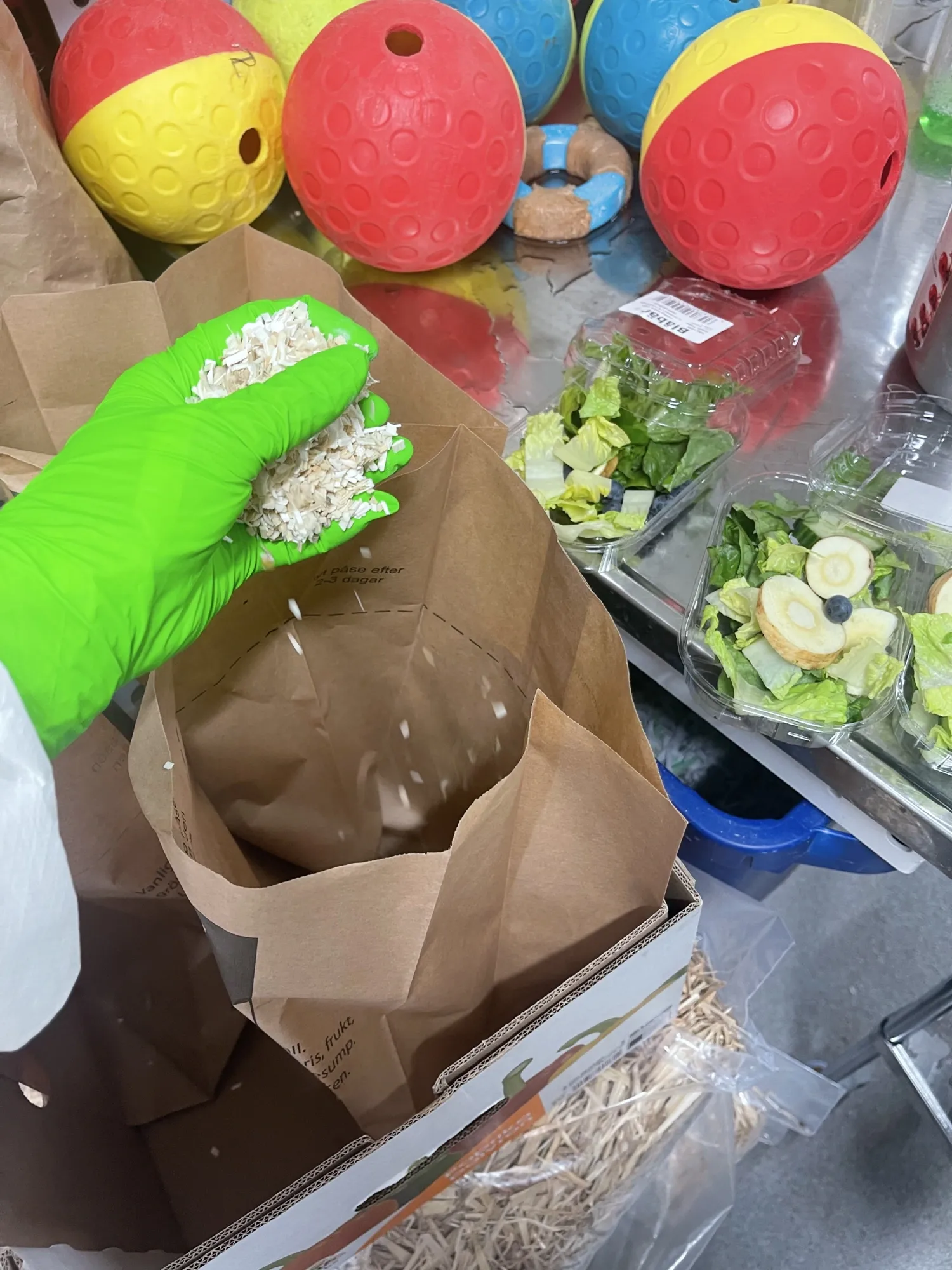
Examples include:
- Improved analysis of immune responses, which in many cases makes infection studies unnecessary.
- Thorough collection of safety and toxicology data in advance, allowing safe dose selection and reducing the risk of side effects.
- Pain relief and treatment provided in consultation with a veterinarian whenever needed.
- PET facilities located in the same building as the macaques, reducing transport, shortening anesthesia time and lowering stress.
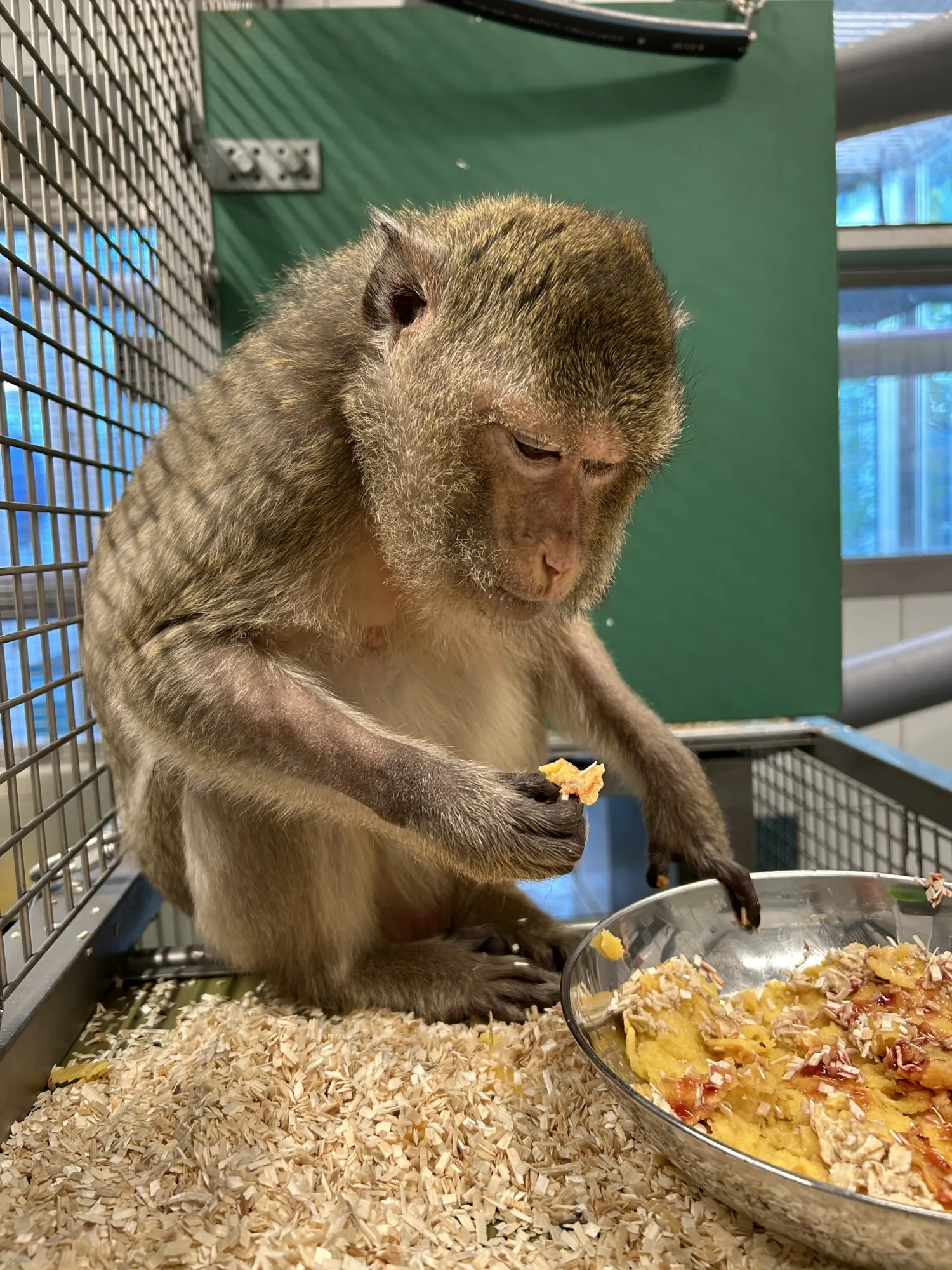
- Strong focus on housing, socialization, training and behavioral monitoring to support wellbeing outside of study procedures.
When is the use of macaques approved?
Using macaques in research is allowed only under strict ethical conditions and when scientifically necessary. All studies must be approved by the regional animal ethics committee.
Macaques may be used when:
- No suitable alternatives exist, for example when other animals or cell models cannot mimic human biology.
- Human health can benefit, such as research aiming to improve treatments for severe diseases including Alzheimer’s, Parkinson’s or infectious diseases.
Macaques are used only in the later stages of vaccine development and only for exceptionally promising candidates that have already been tested in several other systems.