
Research at KaroKidney
KaroKidney is a collaboration between researchers from Karolinska Institutet and Karolinska University Hospital. Here you can read about our research projects.
Research Projects
Early Vascular Ageing
The work on early vascular aging (EVA) focuses on how chronic kidney disease (CKD), inflammation, oxidative stress, and metabolic disturbances accelerate biological aging of the vascular system.
Patients with CKD exhibit premature vascular calcification and endothelial dysfunction, resembling the vascular phenotype of much older individuals. The basis for the studies include prospective studies of incident dialysis patients and CKD5 patients undergoing living donor transplantation. Biopsies of arteries, muscles and fat are collected for detailed studies.
Key aspects of the research include: Malnutrition-inflammation-atherosclerosis (MIA) syndrome - a triad as a major driver of early vascular aging and mortality in CKD. The studies demonstrated how accumulation of toxins and oxidative damage promote vascular stiffness and calcification and explored how evolutionary trade-offs - such as mechanisms once advantageous for survival - may now predispose humans to vascular aging under modern conditions. The studies highlight the roles of fetuin-A, Nrf2, senescence, klotho, somatic mutations and inflammation-related microRNAs as possible therapeutic targets for EVA.
Key papers
- Hobson S, et al. Accelerated vascular ageing in chronic kidney disease: the potential for novel therapies. Circ Res. 2023;132(8):950-969.
- Revêchon G, et al. Recurrent somatic mutation and progerin expression in early vascular aging of chronic kidney disease. Nat Aging. 2025;5(6):1046-1062.
Food as Medicine
What is good for the planet is also good for your health
Cardiorenal Diabetes Group
The goal of our group is to gain deeper understanding on renal and cerebrovascular diseases in patients with and without diabetes.
Cardiorenal Diabetes – Minerva Foundation Institute for Medical Research
Principal Investigator
Daniel Gordin
Associate Professor and Senior Lecturer
University of Helsinki
Inflammatory Kidney Diseases/ Vasculitis
Pediatric Nephrology
The Pediatric Nephrology Research Group at Karolinska Institutet and Karolinska University Hospital is dedicated to improving the lives of children with kidney disease through clinical innovation, research, and global collaboration. We combine clinical expertise with advanced science to enhance understanding and treatment of pediatric kidney disorders—from molecular mechanisms to long-term outcomes.
Our research covers chronic kidney disease and dialysis, focusing on epidemiology, cardiovascular risk, and optimizing replacement therapies. Children undergoing kidney biopsy are included in the KaroKidney biopsy cohort since start of the network. We also work on congenital anomalies of the kidney and urinary tract, as well as on kidney transplantation to improve diagnostics and surgical results. Another important area of our research is infection and immunity, exploring defense mechanisms in urinary tract infections, hemolytic uremic syndrome and inflammation in CKD. Additionally, we develop strategies for fluid and electrolyte balance in critically ill children.
Our approach integrates clinical cohorts and international registries, translational research linking biology to practice, and strong multidisciplinary collaboration. The group has contributed to European guidelines, pioneered research on immune defense in urinary tract infections, and led long-term studies on CKD and transplantation.
Our vision is to deliver personalized, evidence-based care and turn scientific insights into global clinical improvements.
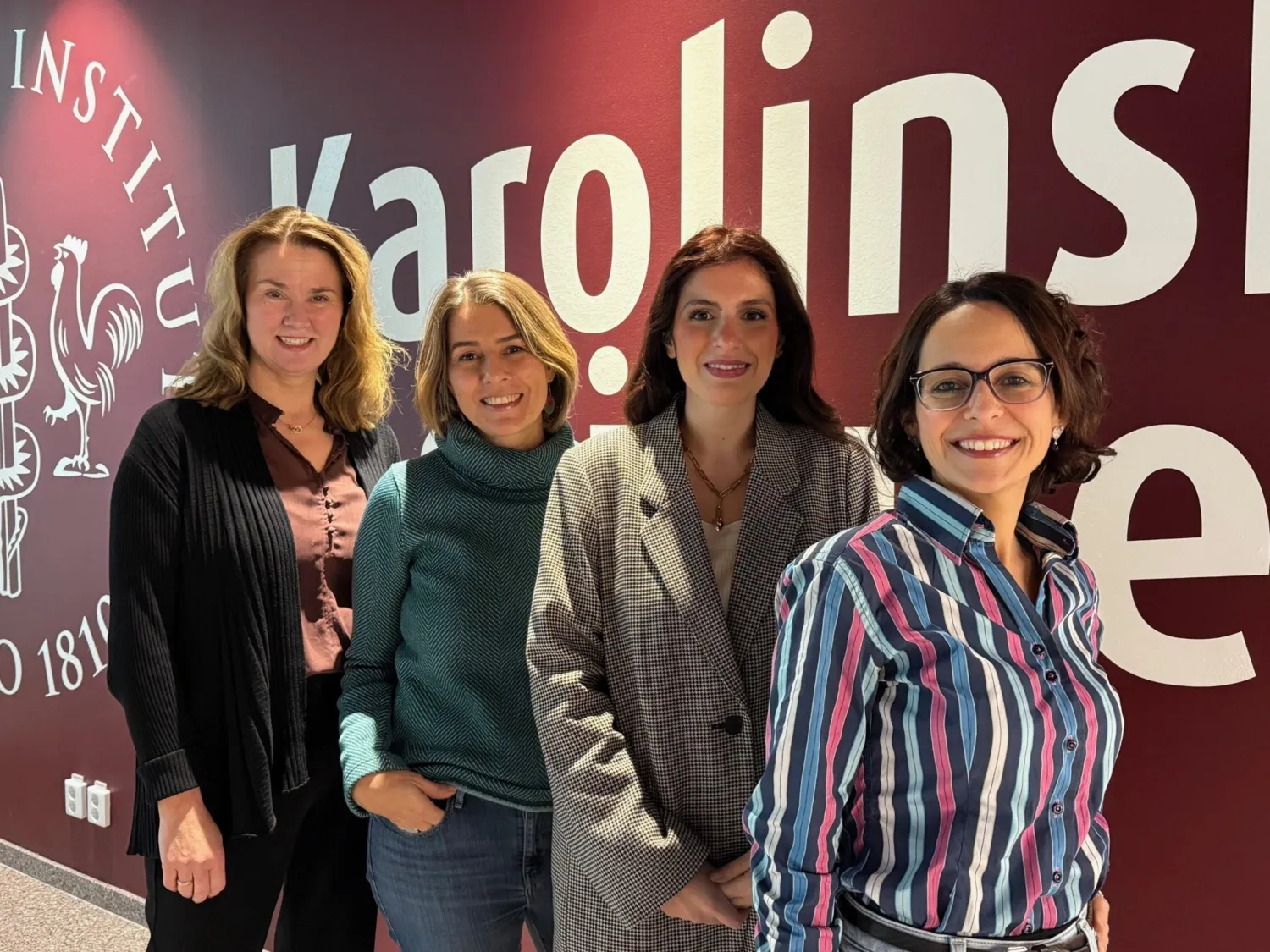
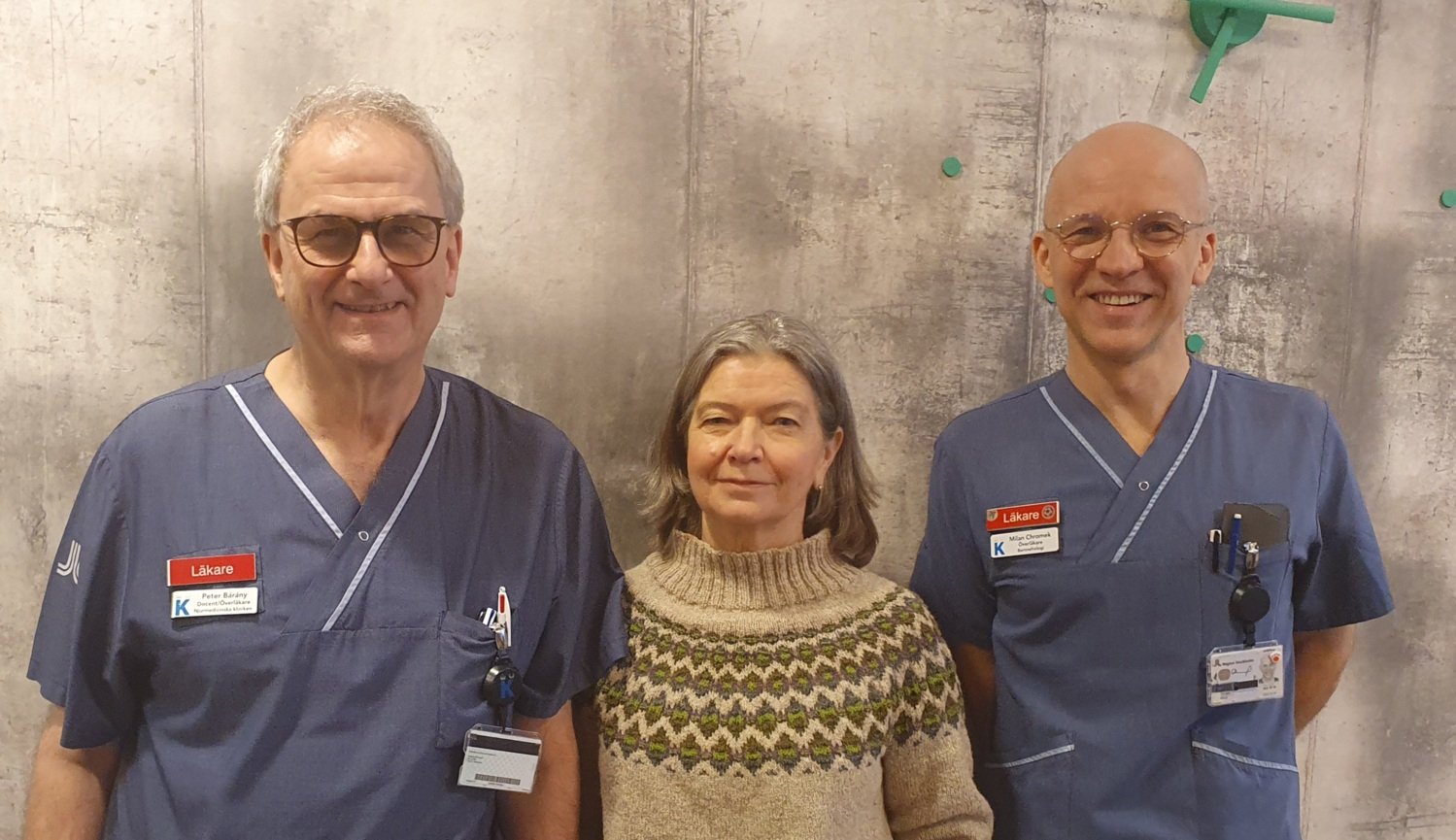
Group Members
Renal Biopsy Project
Background
Launched in 2010, this collaborative initiative unites clinicians and researchers from Karolinska University Hospital and Karolinska Institutet to advance chronic kidney disease (CKD) diagnostics and treatment.
We have established a unique biobank of kidney tissue, blood, and urine samples from CKD patients, linked to longitudinal outcome data.
Methods and Innovation
By integrating clinical variables with high-resolution biomolecular data and applying data-driven analytics, we uncover patterns beyond conventional biomarkers. This approach, combined with detailed histopathology, lays the foundation for next-generation diagnostic tools and individualized therapies.
Goals and Impact
Our research seeks to identify structural, genetic, and biological markers for CKD onset and progression, improving early diagnosis, tailoring treatments, and reducing the need for dialysis or transplantation.
Patient cohort
- Adult and pediatric patients that undergo kidney biopsy at Karolinska University Hospital Huddinge for clinical reasons.
- Ongoing inclusion; annual inclusion rate is about 75-100 patients.
- Current cohort size is approximately 1500 patients, including > 740 adult and 270 pediatric patients with native biopsies, 180 transplanted patients and 290 living kidney donors (representing the control group).
Representation of diagnostic groups among adult patients with native kidney biopsies:
- IgA nephritis, 31 %
- Hypertension/Nephrosclerosis, 10 %
- Diabetic Kidney Disease, 8 %
- Tubulointerstitial nephritis, 8 %
- Membranous Nephropathy, 7 %
- ANCA-associated vasculitis/Anti-GBM, 7 %
- Focal Segmental Glomerulosclerosis, 5 %
- Other glomerulonephritis, 5 %
- Minimal change disease, 4 %
- Alport/Thin basement membrane disease, 3 %
- Myeloma/MGRS, 3 %
- Other/unspecific, 8 %
The biobank also includes a subcohort of patients with chronic kidney disease of Undetermined/Unknown Etiology (CKDu), consisting of kidney biopsies, blood and urine samples from El Salvador (n=8), Nicaragua (n=19), Sri Lanka (n=11) and India (n=18).
Samples and data collection
Biological samples:
- Kidney biopsies, blood, and urine at the time of kidney biopsy or transplantation
- Blood and urine at 5-year follow-up
Clinical data:
- Information regarding previous medical history and medications
- Glomerular filtration rate (GFR) determined by iohexol clearance
- Anthropometric measurements of body composition, including bone density test (DXA)
- Lifestyle questionnaires on diet, intake of medicines/drugs, and quality of life
Histopathology:
- Light microscopy and electron microscopy (EM)
- Immunostaining
- ImmunoEM (iEM)
Omics:
- RNA sequencing of RNA isolated from microdissected glomeruli and remaining tissue (tubulointerstitium and vessels) from kidney biopsies
- Spatial transcriptomics (10X Genomics Visium and Xenium)
- Metabolomics and proteomics (mass spectrometry) of blood and urine
Biomarkers:
- Metabolic, renal, aging, cardiovascular, and inflammatory markers in blood, plasma/serum, and urine
Prospective data:
- Participants are invited to follow-up investigations 5 years after biopsy/transplantation
- Lab data from annual checkups
- Outcome data extracted from national registries
Research group
Anna Levin
Angelina Schwarz
Jessica Smolander
Julia Wijkström
Anna Witasp
Annika Östman Wernerson (PI)
Contributing researchers
Peter Barany
Annette Bruchfeld
Maria Herthelius
Torbjörn Lundgren
Hannes Olauson
Alexandra Nowak
Lars Wennberg
Emelie Westergren
Salimullah Mohmand, MD, Renal Medicine, Karolinska University Hospital
Recent publications
Kidney transcriptomics signature of prospective rapid diabetic kidney disease progression - PubMed
Intranasal Administration of Sugarcane Ash Causes Chronic Kidney Disease in Rats - PubMed
Silica Nanoparticles and Mesoamerican Nephropathy: A Case Series - PubMed
Clinical findings and kidney morphology in chronic kidney disease of unknown cause in India - PubMed
The role of dendrin in IgA nephropathy - PubMed
Inhaled silica nanoparticles cause chronic kidney disease in rats - PubMed
Renal Epidemiology and Clinical Trials
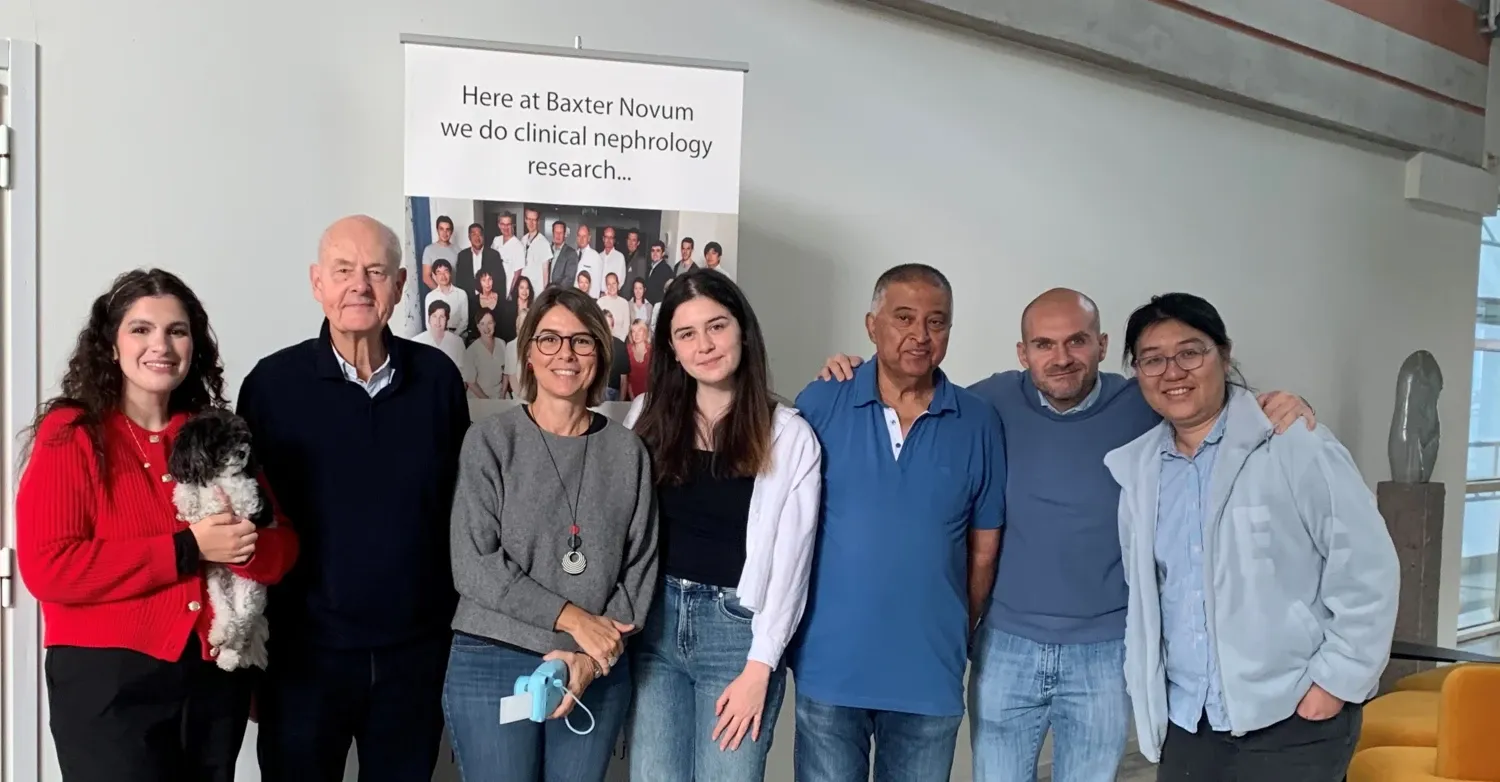
Renal Research Novum
We focus on research in renal medicine, chronic kidney disease and kidney failure, its complications such as cardiovascular disease, metabolic alterations, malnutrition and inflammation, and its treatment including dialysis therapies, especially peritoneal dialysis.