

Animal research at KI
In Sweden, Karolinska Institutet accounts for the single largest share of academic medical research. A large part of the research is conducted without animals, but within many areas animal research is still required to gain new knowledge.
KI uses different laboratory animals in biomedical research. The most common ones are presented here.
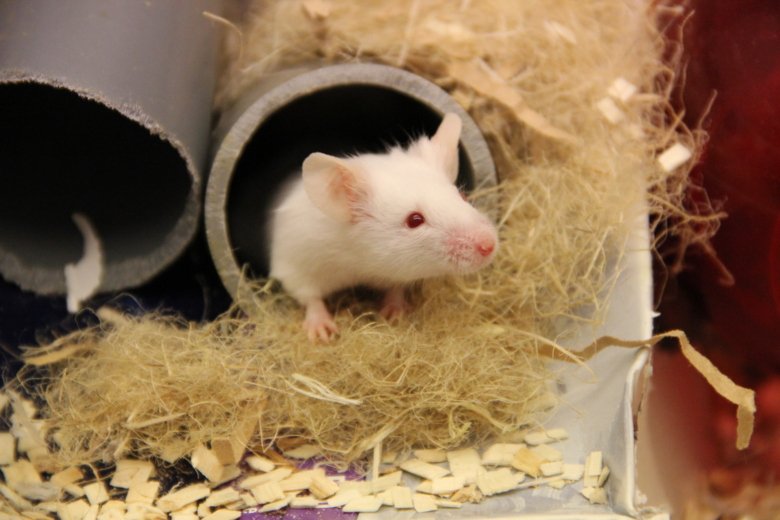
Mice
At the beginning of the early 1900s, the mouse entered modern science and is today the most commonly used mammal as an animal model in research. The mouse has complex biological systems and structures, such as immune, nervous, cardiovascular, endocrine, and metabolic systems. Mapping of the mouse and human genomes has shown similarities of up to 99 percent.
During the 1980s, the use of mice as laboratory animals became more extensive as techniques for altering the genome were established within the research field. Techniques for making genetic changes are continuously being developed, and one example is CRISPR/cas9, the so-called gene scissors. Altering the genes of mice allows the laboratory animals to better mimic various disease states, which among other things makes it possible to study how well different drug candidates work in treating diseases such as various forms of cancer, cardiovascular diseases, and Alzheimer’s disease.
The ability to modify gene expression and the similarities between mouse and human have established mice as an important model animal in research.
Mouse models are used to study how different parts of the body normally function and what goes wrong in different disease states, for example intestinal diseases (such as colon cancer, IBD), neurodegenerative diseases such as Alzheimer’s disease, Parkinson’s disease, multiple sclerosis (MS), ALS, cardiovascular disease, metabolic syndromes (such as diabetes), pain (for example rheumatoid arthritis, fibromyalgia, and chronic pain), infectious diseases, and allergy. Mouse models are also used to develop new drugs.
At KI, approximately 45 000 mice were used in experiments during 2025. Mouse embryos used before the final trimester are not considered laboratory animals and are therefore not included in the 45 000 mice.
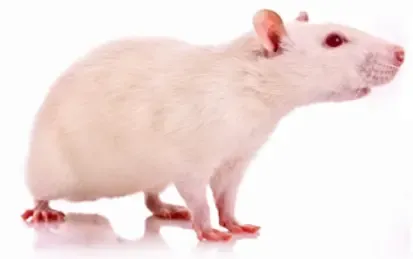
Rats
As early as the beginning of the 1800s, rats were used for scientific purposes, and in the early 1900s a “standardized” rat strain was bred at the Wistar Institute in Philadelphia. This is a strain that is still in use.
The use of rats in research has declined in recent years, but rats are still an important animal model. Like mice, rats have complex biological systems and structures, such as immune, nervous, cardiovascular, endocrine, and metabolic systems, and have shown similarities to the human genome of up to 90 percent.
Rat models are often used in research on cardiovascular diseases, transplantation, diabetes, spinal cord injury, brain injury models, Parkinson’s disease, psychiatric disorders, behavioral studies, and drug development. Rats are larger than mice, which offers advantages in certain procedures and surgical interventions.
Historically, mice took over as possibilities for manipulating gene expression are relatively easier in mice than in rats. However, genetic engineering has taken a major step forward with CRISPR/Cas9 (the so-called gene scissors), which has simplified the possibilities of manipulating genes in rats as well. This may open new areas of use for rats in the future.
At KI, approximately 1 200 rats were used in experiments during 2025.
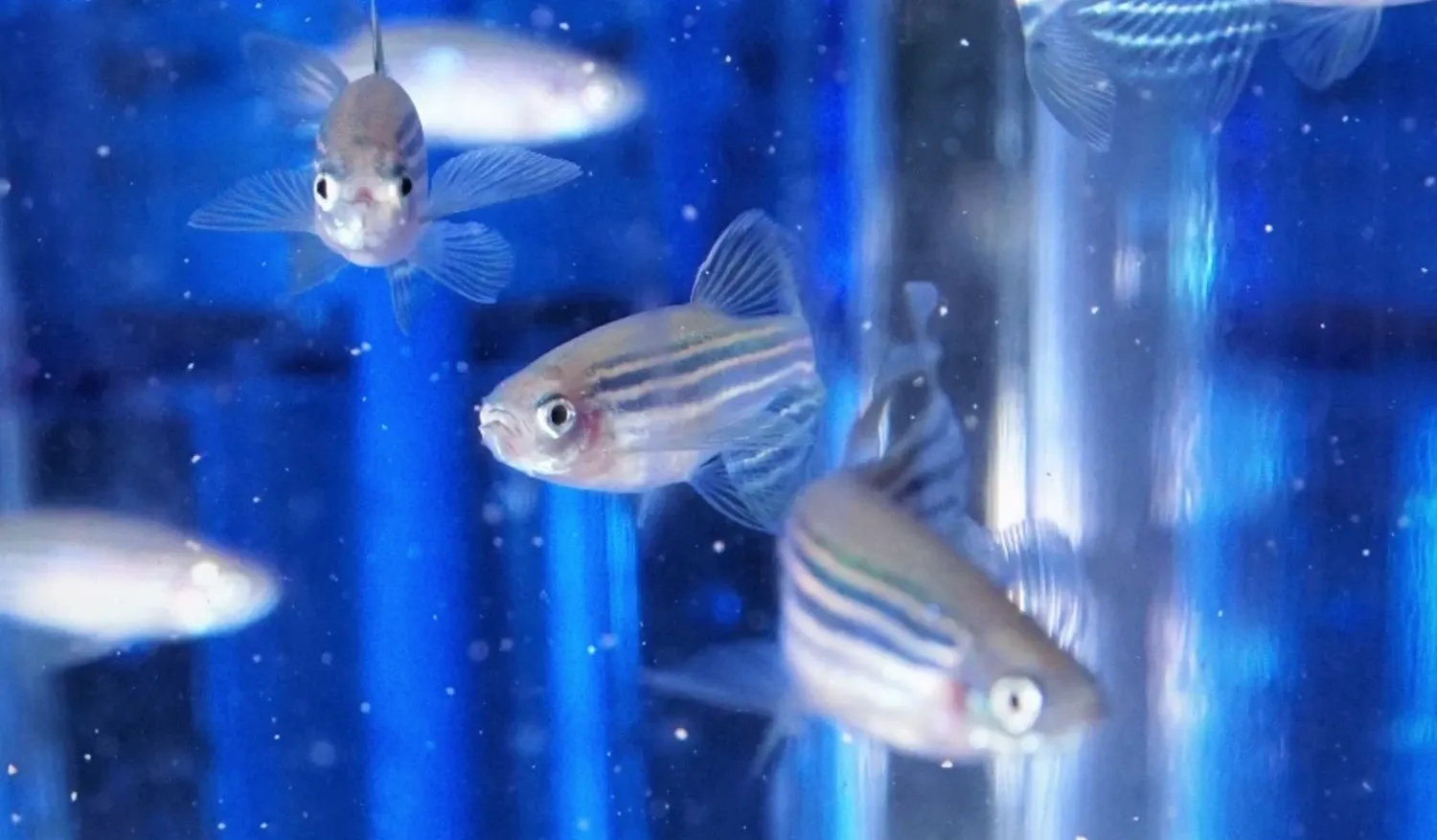
Zebrafish
Zebrafish – perhaps better known as ornamental fish – are a relatively new animal model for biomedical research. At KI there is one of the largest zebrafish facilities in the Nordic region, where both basic and advanced biomedical research is conducted.
Primarily zebrafish embryos are used in research, that is zebrafish that are younger than five days. These embryos are classified as not being laboratory animals under Swedish legislation, as they are considered to lack the ability to feel pain and suffering. They are transparent, which makes it easy to see how different organs develop and function. In recent years, many so-called transgenic zebrafish lines have been developed, where either specific organs are marked with a fluorescent substance or where genes have been altered so that the fish develop the same diseases that humans can get, such as amyotrophic lateral sclerosis (ALS), Alzheimer’s disease, or other diseases for which treatment is still lacking. These fish are used both to understand how diseases arise and progress and to develop new treatment methods.
Zebrafish have also become one of the most important model systems for cancer research. Human cancer cells can be injected into zebrafish embryos, which can then be treated with different drugs or drug candidates. This makes it possible not only to find new treatment methods but also to tailor treatment options for patients, so-called personalized medicine.
Using zebrafish, and especially zebrafish embryos, in biomedical research leads to a reduction in the number of other animals used in experiments, such as mice. However, zebrafish cannot replace all animal experiments in other species.
Here you can read more about zebrafish research at KI
At KI, approximately 24 000 zebrafish were used in experiments during 2025. Zebrafish used solely for the production of embryos are not included in this figure. In research, primarily zebrafish younger than five days old, so-called zebrafish embryos, are used. According to Swedish legislation, zebrafish embryos are not considered laboratory animals and are therefore not included in the 24 000 zebrafish.
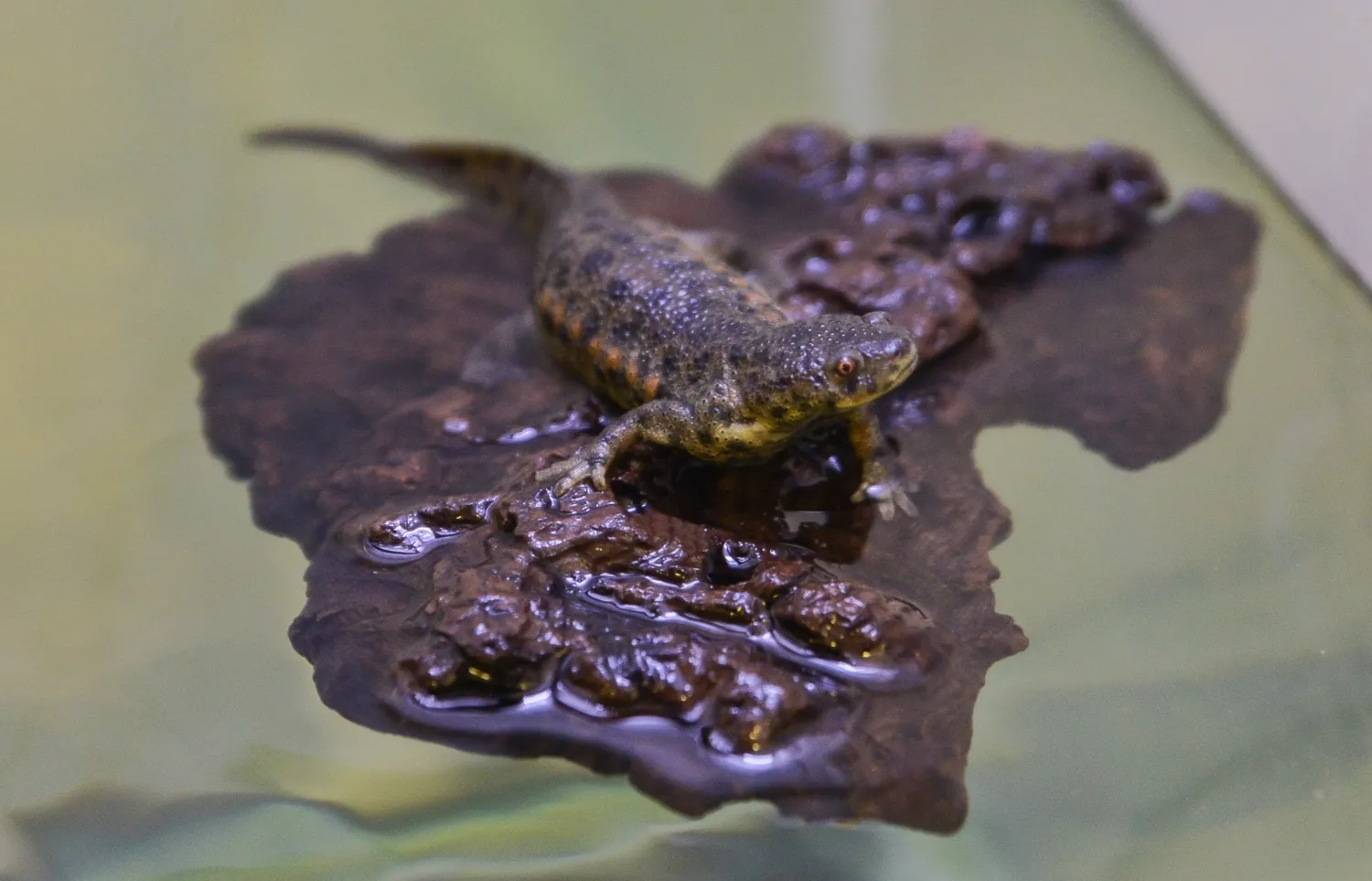
Salamanders
Why do certain animal species, unlike most others, possess the ability to regenerate complex structures? This is a fundamental question that is important not only from an evolutionary perspective, but also from the aspect of being able to stimulate regeneration in organisms that naturally lack this capacity, such as humans. Among vertebrates, salamanders exhibit the broadest spectrum of regenerative processes. A salamander can regenerate damaged heart muscle, replace nerve cells in the brain with new ones, and even entire extremities (arms, legs, and other limbs). The regenerative capacity does not decline with age in salamanders, and they can live for several decades.
Salamanders constitute an excellent animal model because they resemble mammals in many respects. They are also the vertebrate closest to humans when it comes to broad regenerative capacity. In addition, salamanders have a unique resistance to tumor development. This is surprising because the regenerative processes in salamanders involve cellular and molecular processes that are associated with tumor formation in mammals. Studies on salamanders may therefore be relevant within fields such as developmental biology as well as stem cell and cancer research.
In more general terms, salamanders as model organisms are located at an important interface between basic biological science and medical science. The research can lead to important knowledge or hypotheses that can form the basis for therapeutic strategies in regenerative and cancer medicine.
Here you can read more about salamander research at KI.
At KI, approximately 900 salamanders were used in experiments during 2025.
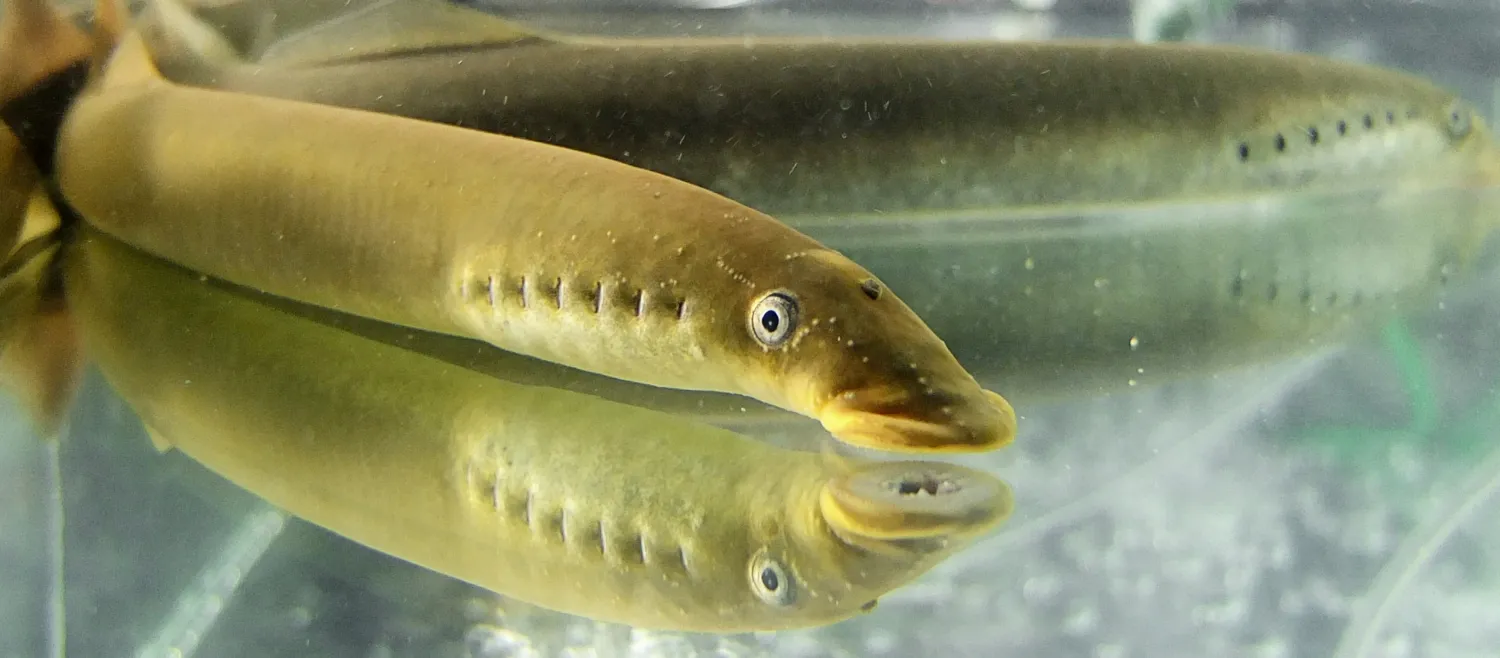
Lampreys
Lampreys are jawless fish, a primitive class of fish-like animals. Although the evolutionary line of lampreys diverged from the one that led to humans more than 500 million years ago, the basic structure of our nervous system is very well preserved between lampreys and humans. This shows how the basic structure of how our nervous system controls vital functions has evolved and applies not only to the overall organization of the nervous system, but also to which neurotransmitters, peptides, and ion channel types are used.
The central nervous system of lampreys is relatively simple in structure, with far fewer nerve cells than in higher vertebrates such as humans, but it can also be viewed as a simple prototype of a vertebrate nervous system. Lampreys are therefore well suited for detailed cell-level studies of the basic mechanisms of the central nervous system for regulating motor functions in vertebrates.
Here you can read more about lamprey research at KI.
At KI, fewer than 10 lampreys were used in experiments during 2025.
Pigs
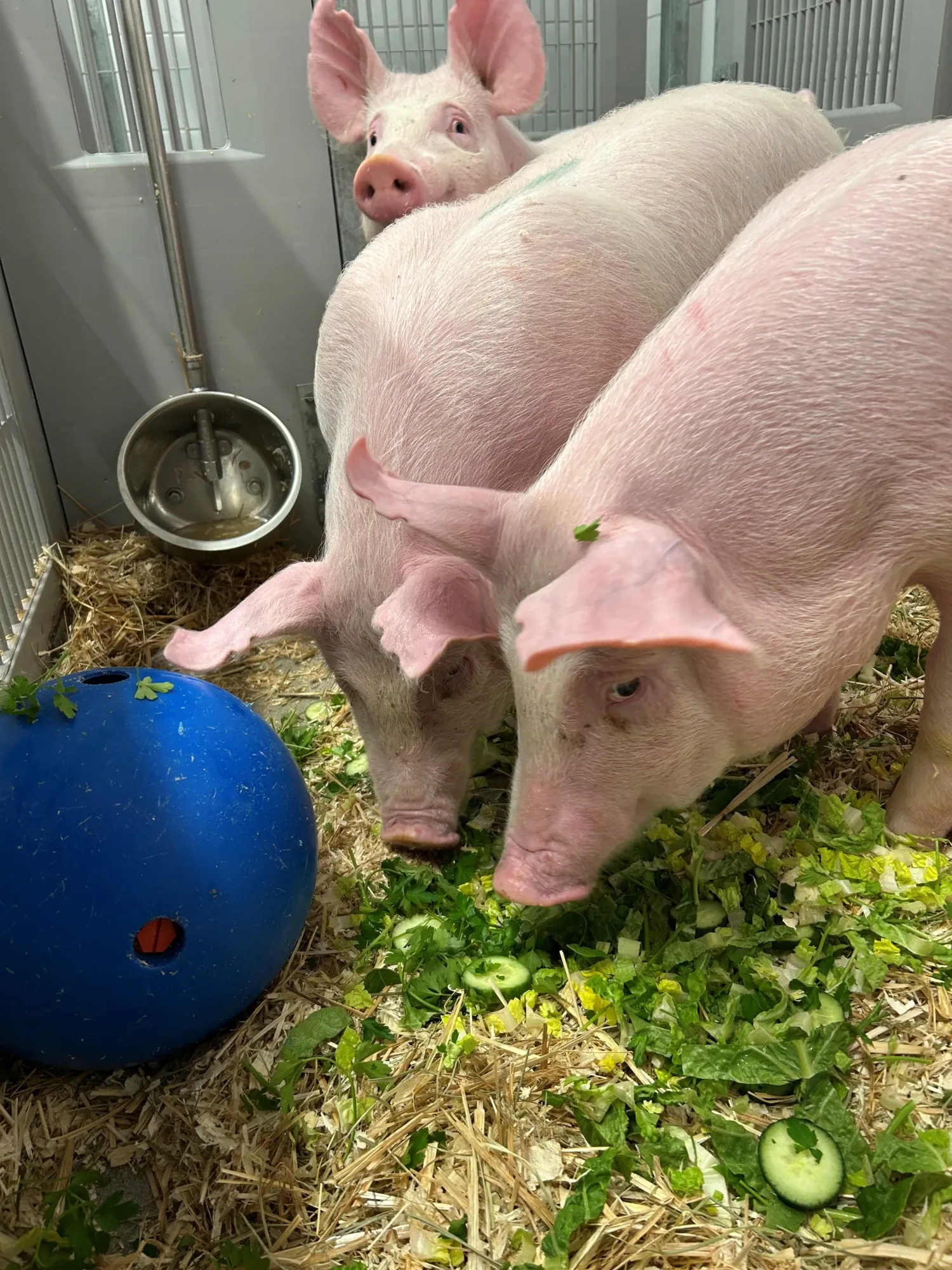
The pig is one of the most important laboratory animals in biomedical research, particularly when the research questions require a high degree of similarity to human physiology and anatomy. Many of the pig’s organs – such as the heart, lungs, brain, vascular system, and gastrointestinal tract – resemble those of humans both in size, structure, and function. The immune system, metabolism, and coagulation system also show great similarities, making the pig a particularly relevant model for studies of acute disease states, surgery, intensive care, trauma, cardiovascular diseases, and medical technology.
Unlike smaller animal models, pig models enable advanced monitoring and treatment using the same equipment and methods as in clinical human care, such as ventilator treatment, invasive hemodynamic monitoring, diagnostic imaging, and surgical procedures. This increases the possibility of translating research results into practical benefit for patients.
At Karolinska Institutet, pig research is conducted at several specialized facilities, where both basic research and more applied, clinically oriented research is carried out. All use of pigs in research, like all animal experiments, is preceded by ethical review and takes place under strictly regulated conditions, with strong focus on animal welfare, pain relief, and keeping the number of animals as low as possible. The goal is, through well-motivated and responsible research, to contribute to improved diagnostics, treatment, and care for humans.
At KI, 30 pigs were used in experiments during 2025.

Monkeys
Monkeys share on average approximately 94 percent of their DNA with humans, which makes their physiology and immune system significantly more relevant for translating research results to humans than when experiments are conducted in rodents such as mice. Monkeys are only used in animal experiments when other methods or animal species cannot be used. They are primarily used in studies of brain diseases, as well as in experiments aimed at developing vaccines or treatments for severe infectious diseases.
Here you can read more about the research at KI that uses monkeys.
At KI, 28 monkeys were used in experiments during 2025 (this includes reuse). Reuse is a way to reduce the number of monkeys included in experiments and has been approved by the animal ethics committee. Reusing laboratory animals, when justified from an ethical and scientific perspective, is in line with the 3R principle (Refine, Reduce, Replace). That KI used 28 monkeys in experiments during 2025 therefore means that the species was part of different research projects on 28 occasions. To enable reuse, the animals must recover between each experiment, which is monitored by a veterinarian.
Other animal species used at KI
In specific experiments, other animal species may also be used, such as guinea pigs, ferrets, or spiny mice. Guinea pigs are mainly used in lung research, for example in asthma research; ferrets have been used in research on coronavirus vaccines; and spiny mice may be used in research related to tissue regeneration.