
SFOepi conference 2026
From Data to Impact: Epidemiology and Biostatistics in a Changing Climate – A cross-disciplinary conference on methods, data, and communication in climate and health research
The 2026 SFOepi Conference will take place on 8–9 October at the beautiful Vår Gård in Saltsjöbaden.
Posters
Email Janina.Mahmoodi@ki.se no later Sunday Oct 4 if you want to bring a poster. The poster must be standing and no more than 90cm wide. If you bring a poster, you will have the chance to win the Best Poster Award 2026.
Cost
The conference is primarily funded by SFOepi, however, a small fee will be charged to each participant and debited directly to the project number provided during registration.This fee is non-refundable:
- 1500 SEK for participants staying overnight
- 750 SEK for day attendance only
Program
Bus from MEB to Vår Gård in Saltsjöbaden
Registration, coffee and sandwiches
Welcome and Introduction of the Epi departments
Keynote speaker: Maria Neira
Title: Health as the Compass: From Climate Epidemiology to Policy Transformation
Local speaker: Tobias Alfvén
Title: Climate Change and Child Health – From Epidemiological Evidence to Action
Short talks from selected abstracts (10 min)
Alicia Nevriana and Anna Antonia Peltola
Lunch
Poster session
Vote for best poster - the winner will be revealed on day 2!
Coffee and hotel check in
Keynote speaker: Gregory Wellenius
Title: Heat Health Risk and Resilience: Research for Action
Local speaker: Petter Ljungman
Title: Exposure to air pollution and brain aging
Local speaker: Massimo Stafoggia
Title: Methodological challenges in the evaluation of independent and joint effects of climate-related exposures on human health
Workshop/networking event
Dinner
Breakfast and hotel check out
Keynote speaker: Hanna Boogaard
Title: Science informing policy in a changing transportation landscape
Local speaker: Elizabeth Arkema
Title: KI "School of Public Health" pre-study
Local speaker and recipient of SFOepi Pilot grant: Jiayao Lei
Title: HPV prevention – a double win for cancer control and healthy pregnancies
Coffee
Local speaker and recipient of SFOepi Pilot grant: Máté Szilcz
Title: Practical Apps to Communicate Evidence and Support Decision Making
Local speaker and recipient of SFOepi Pilot grant: Caroline Dietrich
Title: Development and implementation of biostatistical methods in relative survival analysis for cancer survivorship research
Short talks from selected abstracts (10 min)
Christina-Evmorfia Kampitsi, Daniel Söderberg and Ida Hed Myrberg
Lunch
Panel debate
Participants
Anna Bergström (IMM)
David Vetrano (ARC)
Karin Ekström-Smedby (KEP)
Jette Möller (GPH)
Patrik Magnusson (MEB)
Award ceremony
Coffee
Bus from Vår Gård in Saltsjöbaden to MEB
Speakers
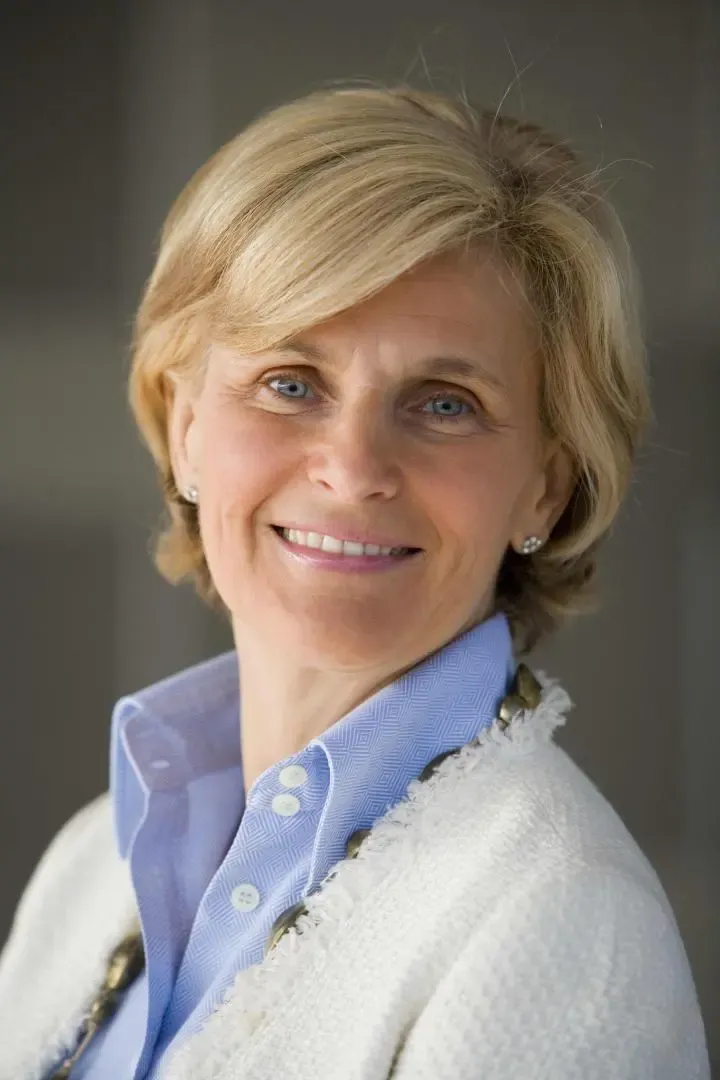
Dr. María P. Neira
Dr. María P. Neira is a Spanish physician and global health leader who served as Director of the Department of Environment, Climate Change and Health at the World Health Organization (WHO) from 2005 onward. She led WHO’s work on environmental determinants of health, including air pollution and the health impacts of climate change, overseeing the development of global policies, technical guidance, and international initiatives to protect populations—particularly the most vulnerable—from environmental risks.
Dr. Neira began her career with Médecins Sans Frontières and United Nations health programmes in Africa and has held senior public health leadership positions in Spain. With medical and public health training, she is internationally recognised for her contributions to global climate and environmental health policy and for advancing health protection in the context of planetary change.
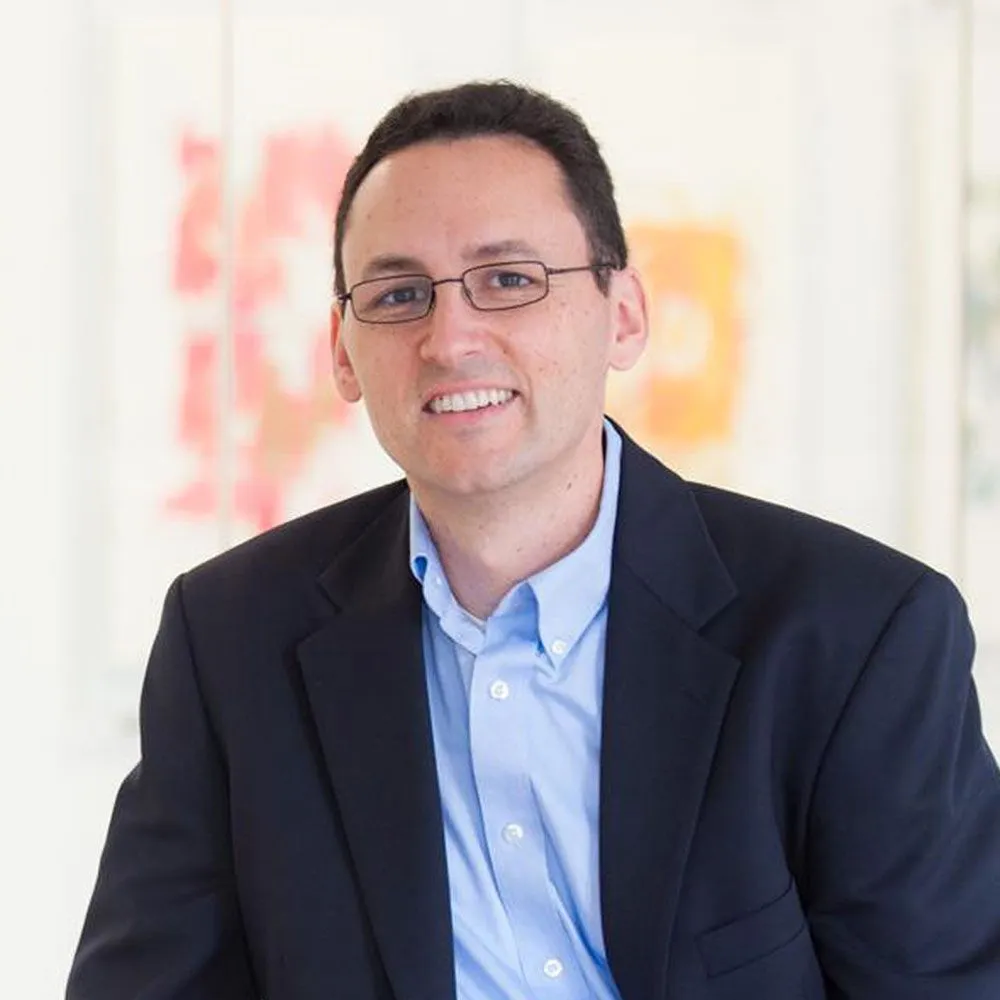
Professor Gregory Wellenius
Professor Gregory Wellenius is an environmental epidemiologist whose work focuses on understanding and reducing the health risks posed by climate change, particularly those related to extreme heat, air pollution, and other climate-driven hazards. His research aims to generate actionable evidence to strengthen climate resilience and protect population health.
He co-leads the NIH-funded CAFE Research Coordinating Center, which supports global research on climate, extreme weather, and health, and builds capacity for climate-health science worldwide. Professor Wellenius emphasizes the use of novel data sources and advanced analytic methods to translate scientific findings into timely insights for public health decision-makers.
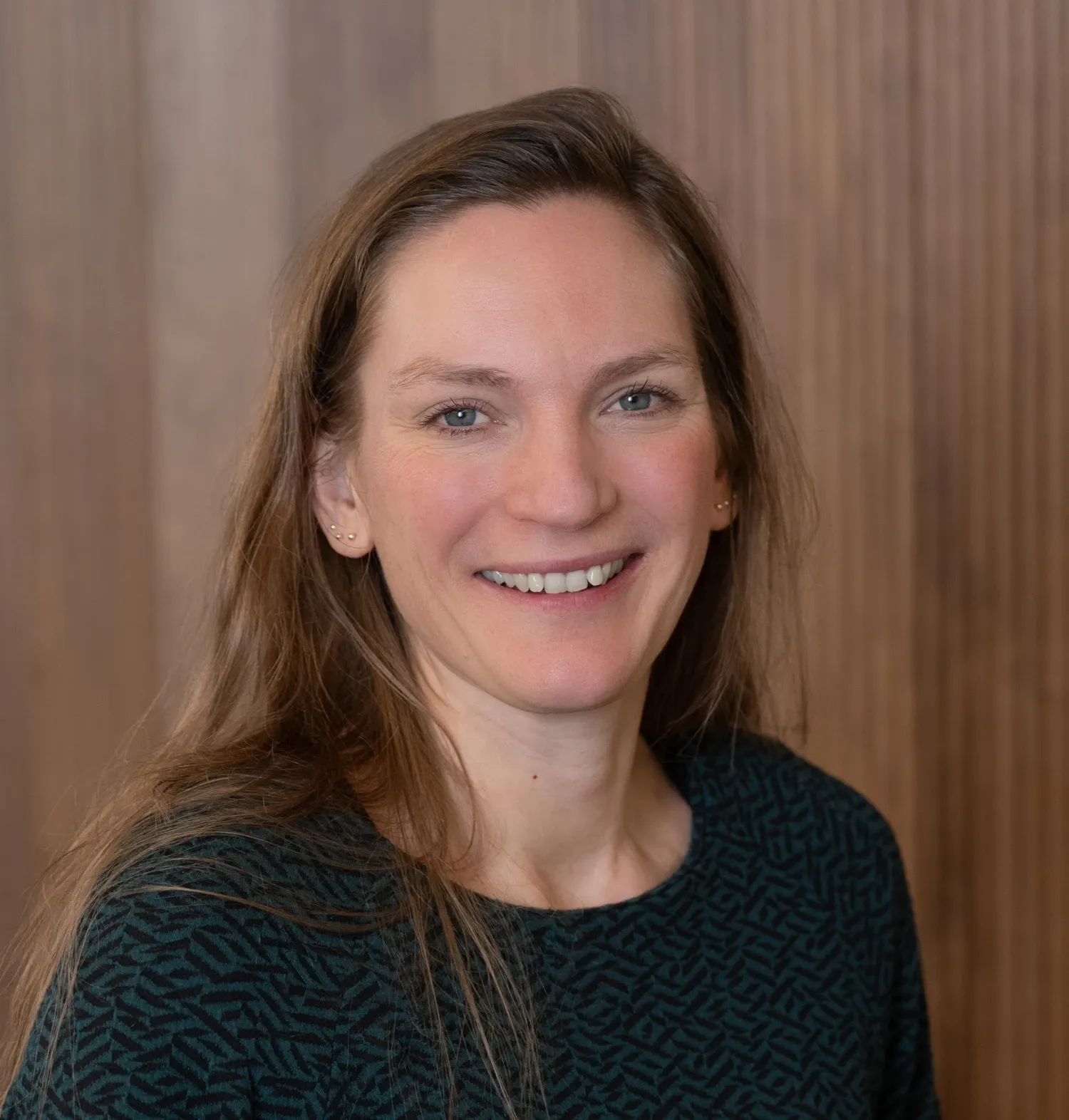
Dr. Hanna Boogaard
Dr. Hanna Boogaard is an air pollution epidemiologist with more than 20 years of experience in air pollution epidemiology and exposure assessment. She is a Consultant Principal Scientist at the Health Effects Institute (HEI) in Boston, an independent research organisation with balanced funding from the U.S. Environmental Protection Agency and the motor vehicle industry. Her work at HEI focuses on developing, overseeing, and reviewing studies on the health effects of air pollution, as well as evaluating interventions to improve air quality and protect public health.
Dr. Boogaard has advised the National Institute of Environmental Health Sciences, the World Health Organization, Health Canada, and other national and international organisations. She also serves as Associate Editor for Public Health, Environmental Epidemiology & Health Impact Assessment at the journal Environment International. Her work brings together epidemiological research, exposure assessment, and evaluation of air quality interventions to advance understanding of the health impacts of air pollution and inform policy decisions.
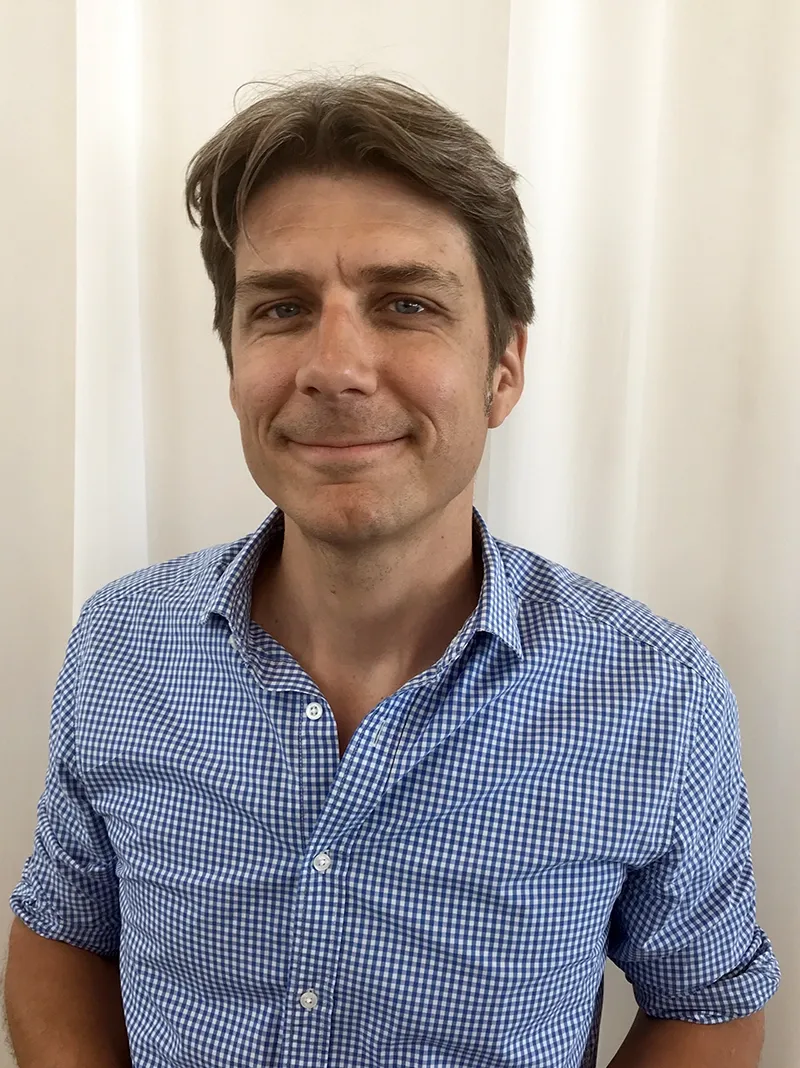
Professor Tobias Alfvén
Professor Tobias Alfvén is Clinical Professor of Global Child Health at Karolinska Institutet and Senior Consultant in Paediatrics at Sachs’ Children and Youth Hospital. For more than 25 years, he has combined clinical practice, research, and leadership roles within the United Nations, both in field settings and at headquarters.
His research spans neonatal resuscitation, child health in low-resource settings, the interactions between the Sustainable Development Goals, and the health impacts of climate change. He co-leads the Centre of Excellence for Sustainable Health in collaboration with colleagues in Uganda and served as President of the Swedish Society of Medicine from 2020 to 2024. His work integrates clinical insight, global health systems, and sustainable development to improve child health outcomes worldwide.

Principal Researcher Petter Ljungman
Dr. Petter Ljungman is a Principal Researcher and Research Group Leader at the Unit of Environmental Epidemiology at the Institute of Environmental Medicine, Karolinska Institutet. He is also a senior cardiologist at Danderyd Hospital and serves as an expert coordinator at the Centre for Health Crises, focusing on extreme weather, climate, and health effects.
His research focuses on the health effects of environmental exposures, particularly air pollution, transportation noise, temperature, and green spaces, with a strong emphasis on cardiovascular health and the health impacts of climate change. He has conducted research on the cardiovascular effects of air pollution since 2004 and has contributed to national and international environmental epidemiology collaborations, including research using high-resolution environmental exposure modelling.
His research aims to strengthen the evidence base for understanding environmental health risks and supporting public health and preventive action.
Dr Massimo Stafoggia
Dr. Massimo Stafoggia is a biostatistician at Karolinska Institutet and at the Department of Epidemiology of the Lazio Region Health Service in Italy. He holds a degree in Statistical Sciences, an MSc in Biostatistics from the Harvard School of Public Health, and a PhD from Karolinska Institutet.
His research focuses on climate and environmental determinants of health, particularly the impacts of air pollution and extreme heat. He has played a central role in the design and implementation of major national and European environmental epidemiology studies, examining how environmental exposures affect population health. In recent years, his work has specialised in developing high-resolution spatiotemporal models using satellite data to predict air pollution exposure across multiple European countries, contributing to advances in environmental and occupational epidemiology.

Assistant professor Jiayao Lei
Dr. Jiayao Lei is Assistant Professor at the Department of Medical Epidemiology and Biostatistics and the Center for Cervical Cancer Elimination at Karolinska Institutet, Sweden. Her research focuses on preventive medicine, with particular emphasis on HPV-related cancer prevention.
She applies observational study designs using large-scale register data, alongside machine learning approaches, to support and optimise preventive screening and vaccination programmes. Her work aims to strengthen evidence-based strategies for cancer prevention and contribute to cervical cancer elimination efforts.
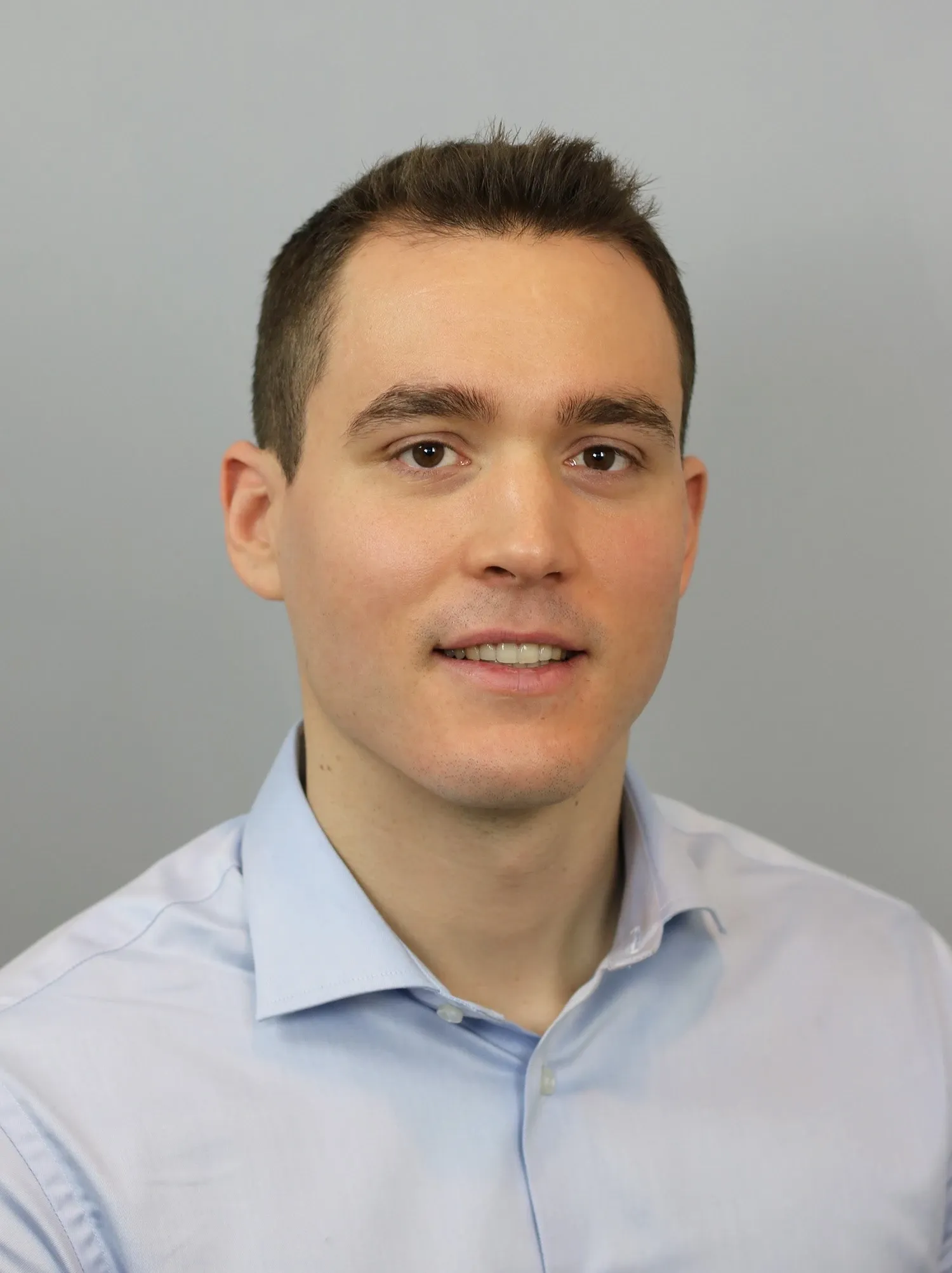
Dr Máté Szilcz
Dr. Máté Szilcz is a postdoctoral researcher in pharmacoepidemiology at Karolinska Institutet and founder of Viti Science. His work lies at the intersection of real-world data, health economics, and applied decision support.
He develops interactive tools and applications—including dashboards and R/Shiny apps—that enable researchers and stakeholders to explore data, conduct analyses, and communicate results effectively. His work focuses on translating research outputs into accessible, user-oriented products that enhance transparency, usability, and real-world impact beyond traditional academic publications.

Dr Caroline Dietrich
Dr Caroline Dietrich is a biostatistician at Karolinska Institutet with over 15 years of experience in epidemiology. Her research focuses on the development and application of advanced statistical methods for survival analysis and multi-state modelling, particularly in cancer research. She works extensively with large-scale population registers to address methodological challenges in the analysis of complex time-to-event data.
Her applied research includes clinical and epidemiological studies in lymphoma and colorectal cancer, where she integrates methodological innovation with real-world data to improve understanding of disease progression, treatment outcomes, and survivorship. In addition to her research, she contributes to teaching and supervision in medical epidemiology and biostatistics, supporting the development of rigorous analytical approaches in population health research.