
Center for Systems Infection Biology
Infectious diseases remain among the leading causes of illness and death worldwide, and recent pandemics have underscored the need to respond with greater speed, scale, and scientific coordination. The Center for Systems Infection Biology (CSIB) at the Department of Laboratory Medicine, Karolinska Institutet, was established to address that need. By integrating rapid-response laboratory capacity, advanced imaging, spatial omics, and computational modelling within a single coordinated environment
Menu for this area
News
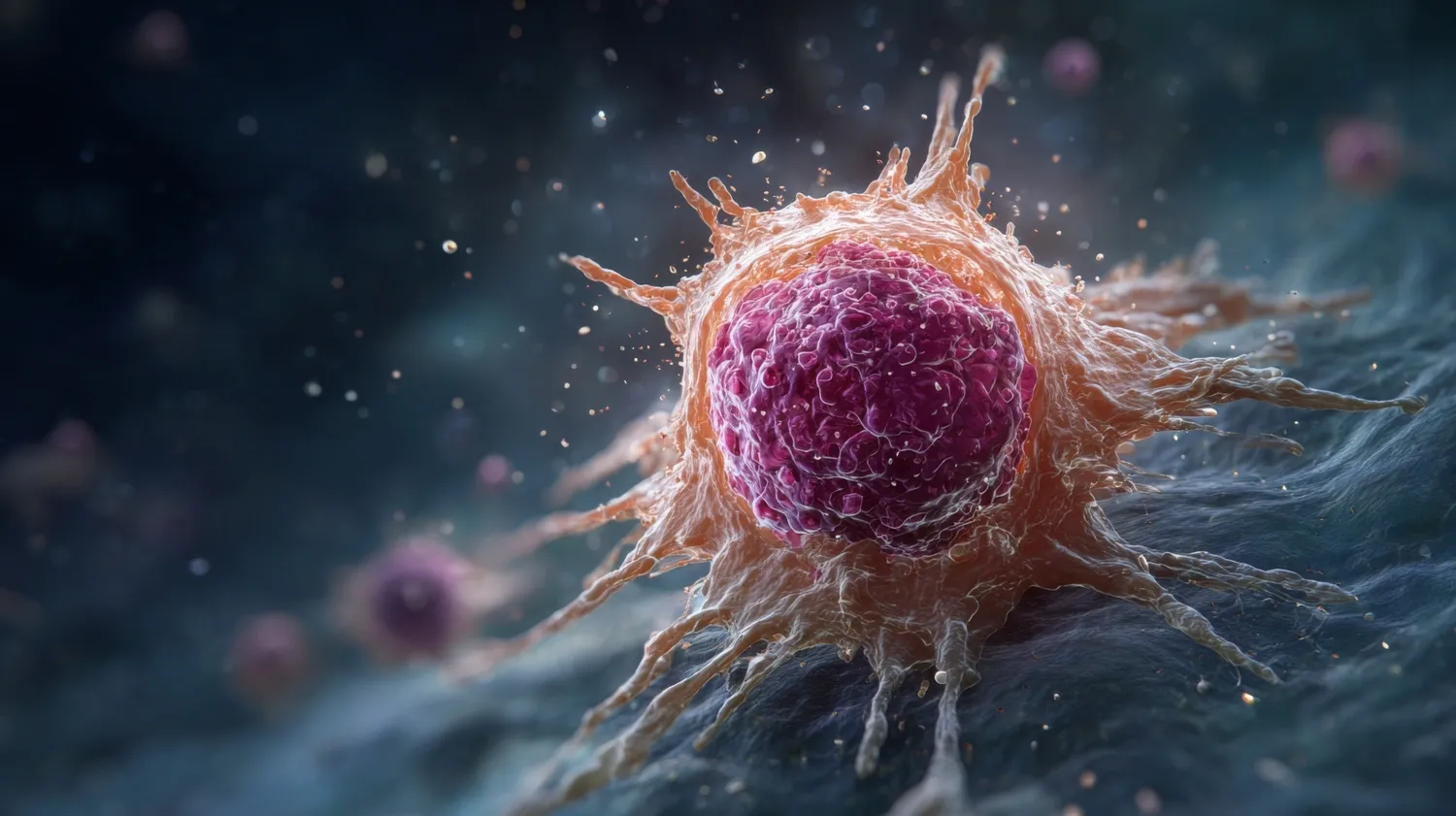 Photo: AI
Labmed establishes the Center for Systems Infection Biology (CSIB)
Department of Laboratory Medicine has established the Center for Systems Infection Biology (CSIB), a new interdisciplinary initiative designed to bring together advanced technologies and expertise to accelerate discoveries in infection biology and their translation into clinical practice. This change formalises a research line that has been growing over the past years into a recognised structural center at Karolinska Institutet.
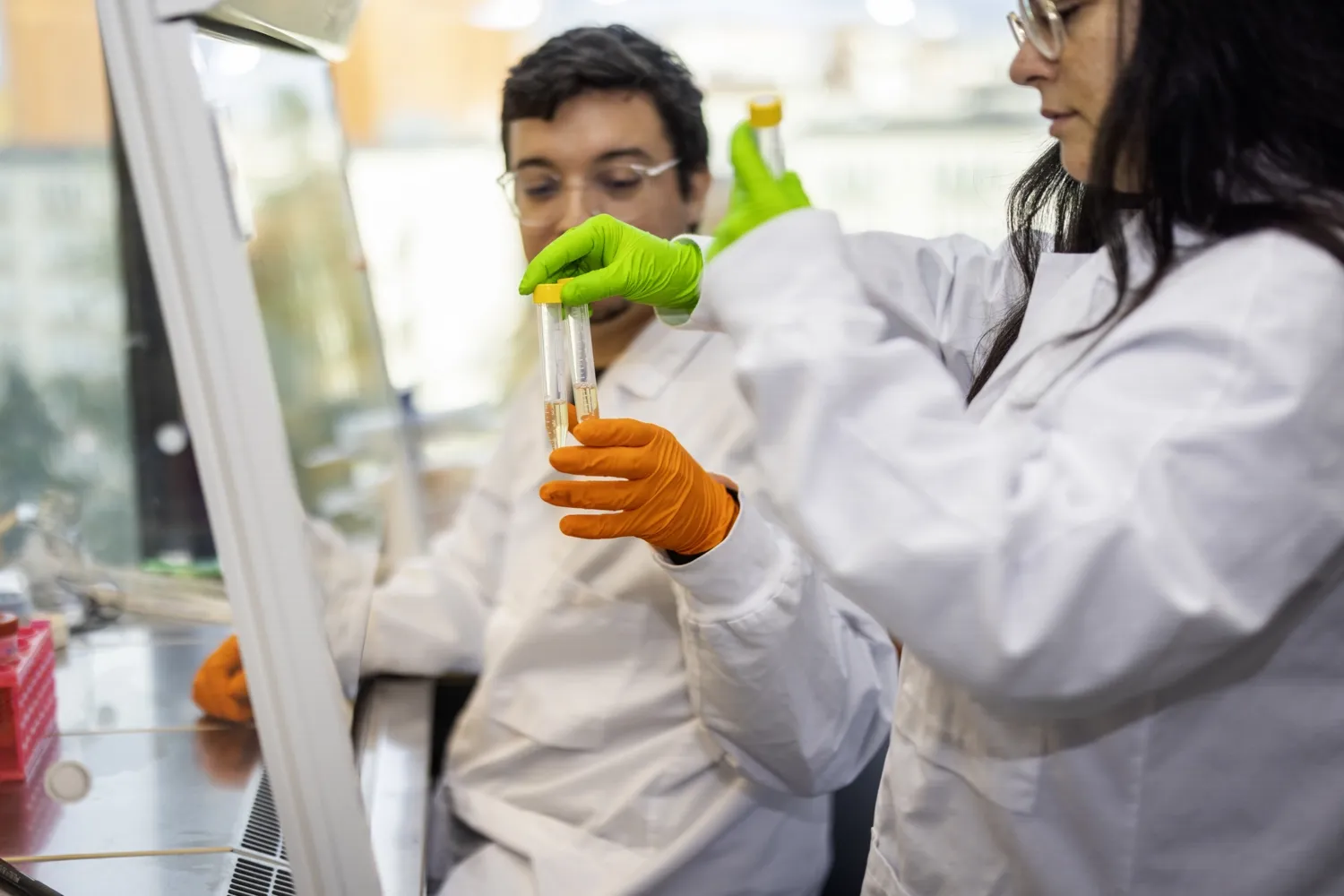 Photo: Liza Simonsson
Strong KI presence in call for excellence clusters for groundbreaking technologies
Karolinska Institutet is the host organisation for nine applications – and KI researchers are involved in several other additional ones – in the Swedish Research Council’s and Vinnova’s call for excellence clusters for groundbreaking technologies. These clusters of excellence will combine research of the highest scientific quality with the best and most extensive innovation capabilities. Among the KI applications is a cluster for RNA-based drugs.
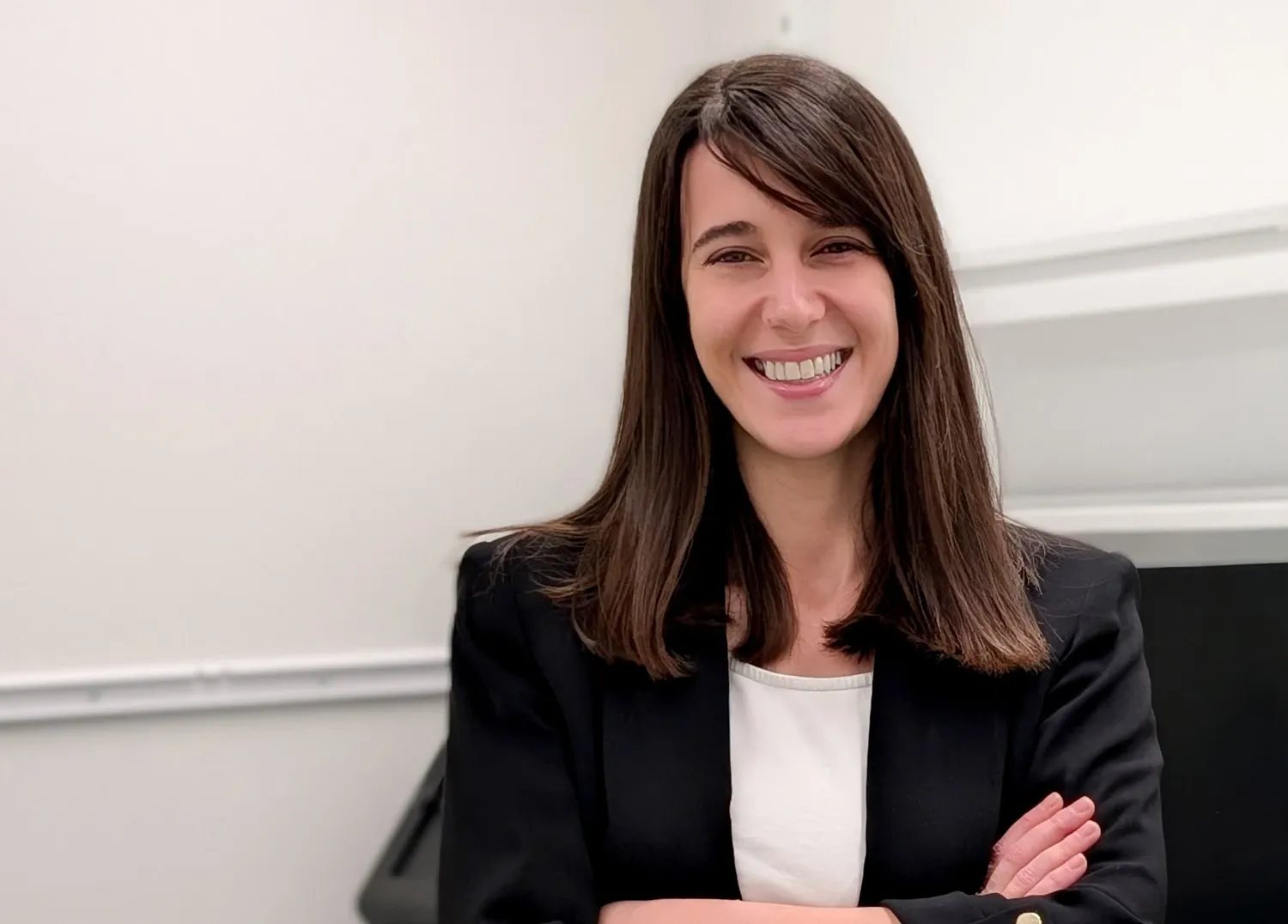 Photo: Anna Bergonzini
Iva Filipovic receives Åke Wiberg Major Grant for HIV and pregnancy research
Iva Filipovic at the Department of Laboratory Medicine receives SEK 4,5 million from Åke Wiberg Foundation for her project on understanding how HIV infection and antiretroviral therapy affect pregnancy and early immune development.
 Photo: Adobe Stock
Study reveals health risks in people with HIV despite successful therapy
A new study reveals that a significant proportion of people living with HIV (PWH) on long-term antiretroviral therapy remain at risk of immune and metabolic complications despite successful viral suppression. The findings highlight a pressing need for precision medicine approaches to improve long-term health outcomes for PWH.
Current Events
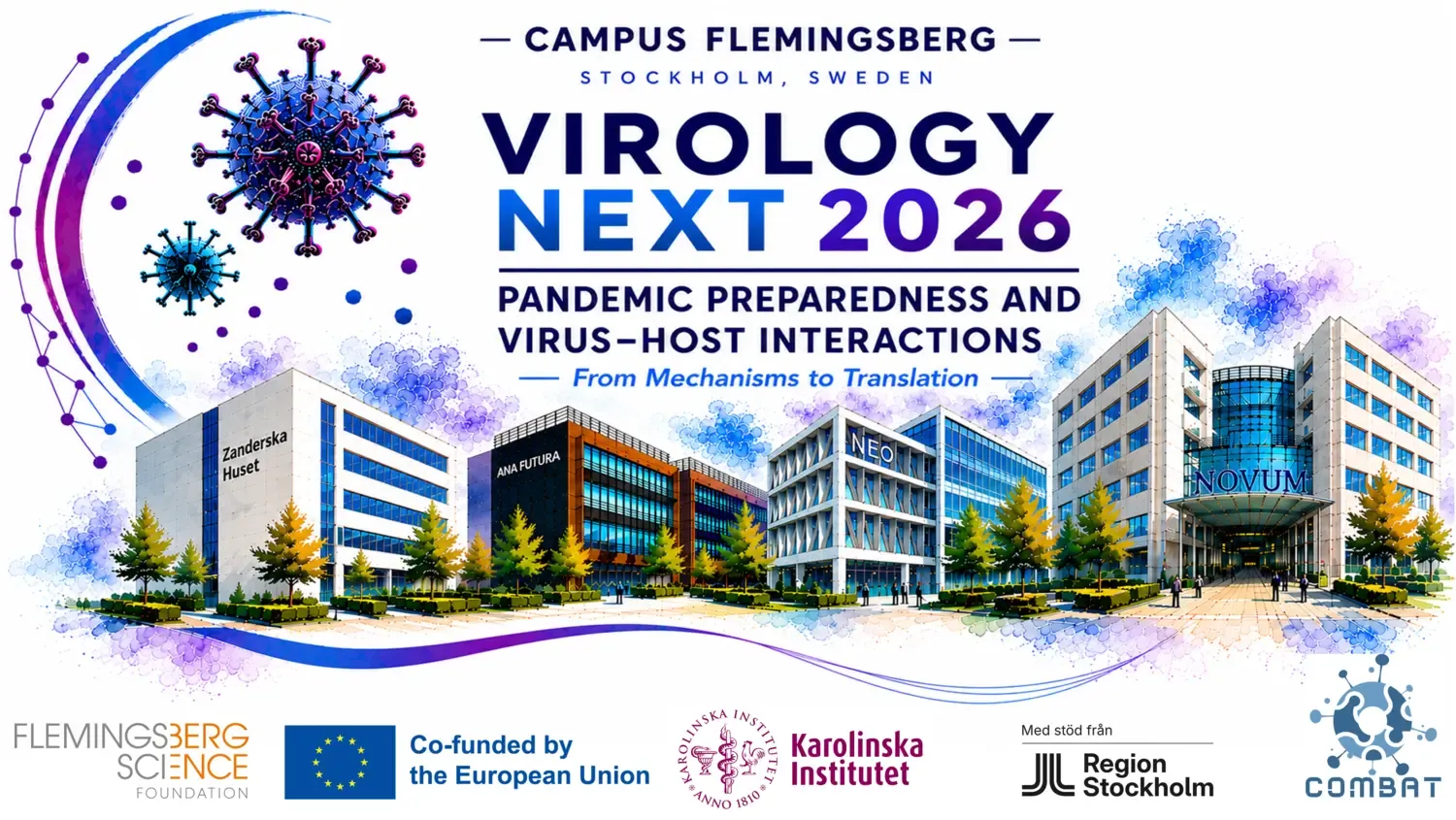 Photo: soham gupta
Virology Next 2026: Pandemic Preparedness and Virus-Host Interactions - From Mechanisms to Translation
Virology Next 2026 is an international scientific meeting bringing together leading researchers, clinicians, public health experts, and translational scientists working at the forefront of virology, immunology, emerging infectious diseases, vaccine and antiviral development, and pandemic preparedness.
Selected Publications
A multicenter prospective observational multi-omics study protocol to identify biomarkers for severe dengue: COMBAT study clinical protocol
Mudgal et. al. 2026
Learning from inconsistencies: refining biomarker discovery in viral diseases
Filipovic et. al. 2026
IRG1/itaconate rewires macrophage and lung tumor metabolism through G6PD inhibition
Mansouri et al 2026
Systemic multi-omics analysis reveals interferon response heterogeneity and links lipid metabolism to immune alterations in severe COVID-19
Lira-Junior et al. 2026
Opioid-induced transcriptional reprogramming of cerebrospinal fluid immune cells is associated with neuroinflammatory signaling in antiretroviral treated SIV-infected rhesus macaques
Acharya et al. 2026
Host Plasma Microenvironment in Immunometabolically Impaired HIV Infection Leads to Dysregulated Monocyte Function and Synaptic Transmission Ex Vivo
Mikaeloff et al. 2025
Parechovirus infection in human brain organoids: host innate inflammatory response and not neuro-infectivity correlates to neurologic disease
Capendale et al. 2024