

Education and teaching at Global Disaster Medicine - Health Needs and Response
At Global Disaster Medicine - Health Needs and Response we teach and lecture extensively on topics concerning disaster medicine, public health in disasters, global health in relation to disasters, prioritisation, triage and decision-making with limited resources. In their teaching, our staff draw on their research and their experience of working in disasters.
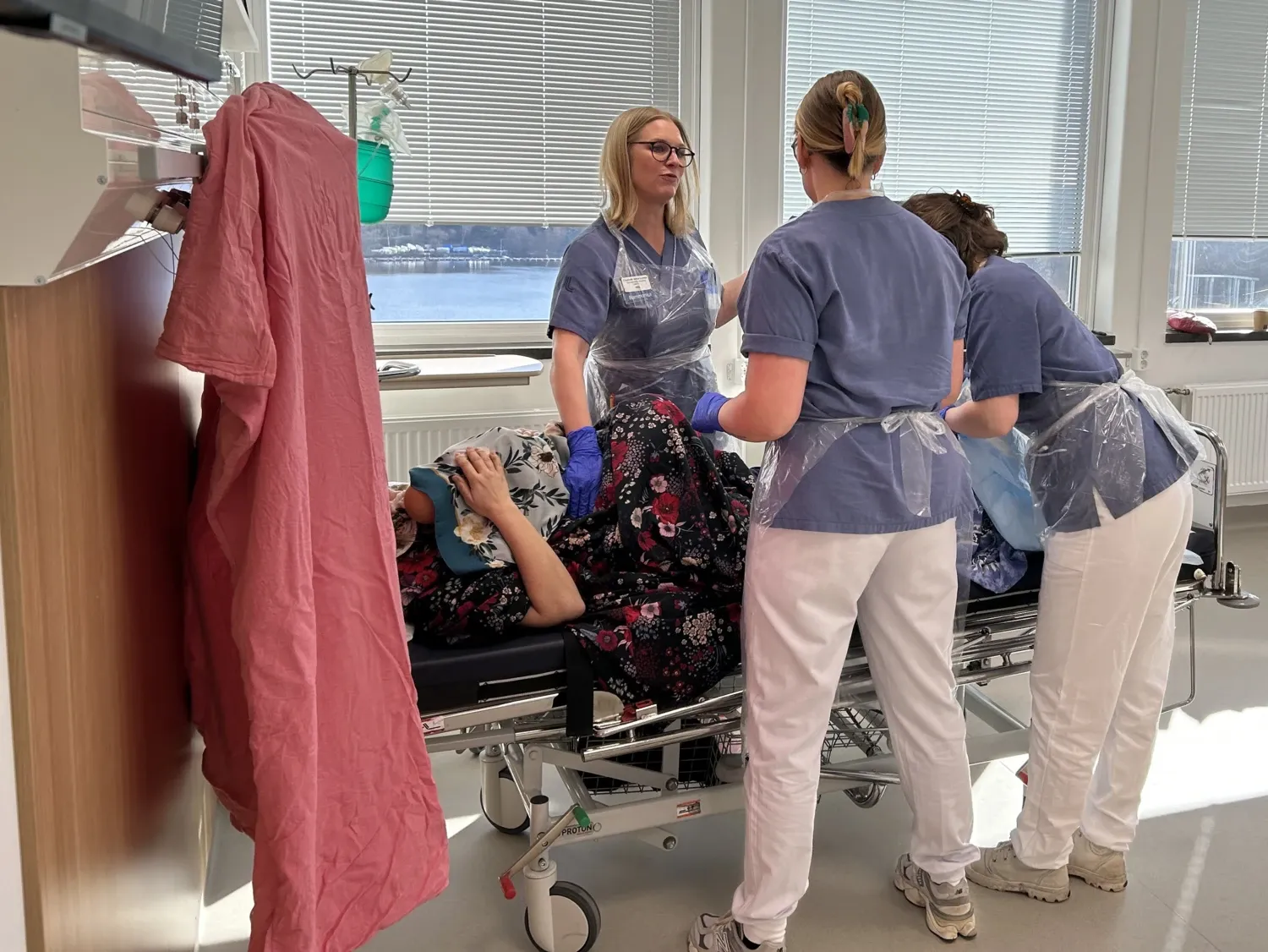
AnTriEx and ViTriEX - simulation tools for mass casualty exercises
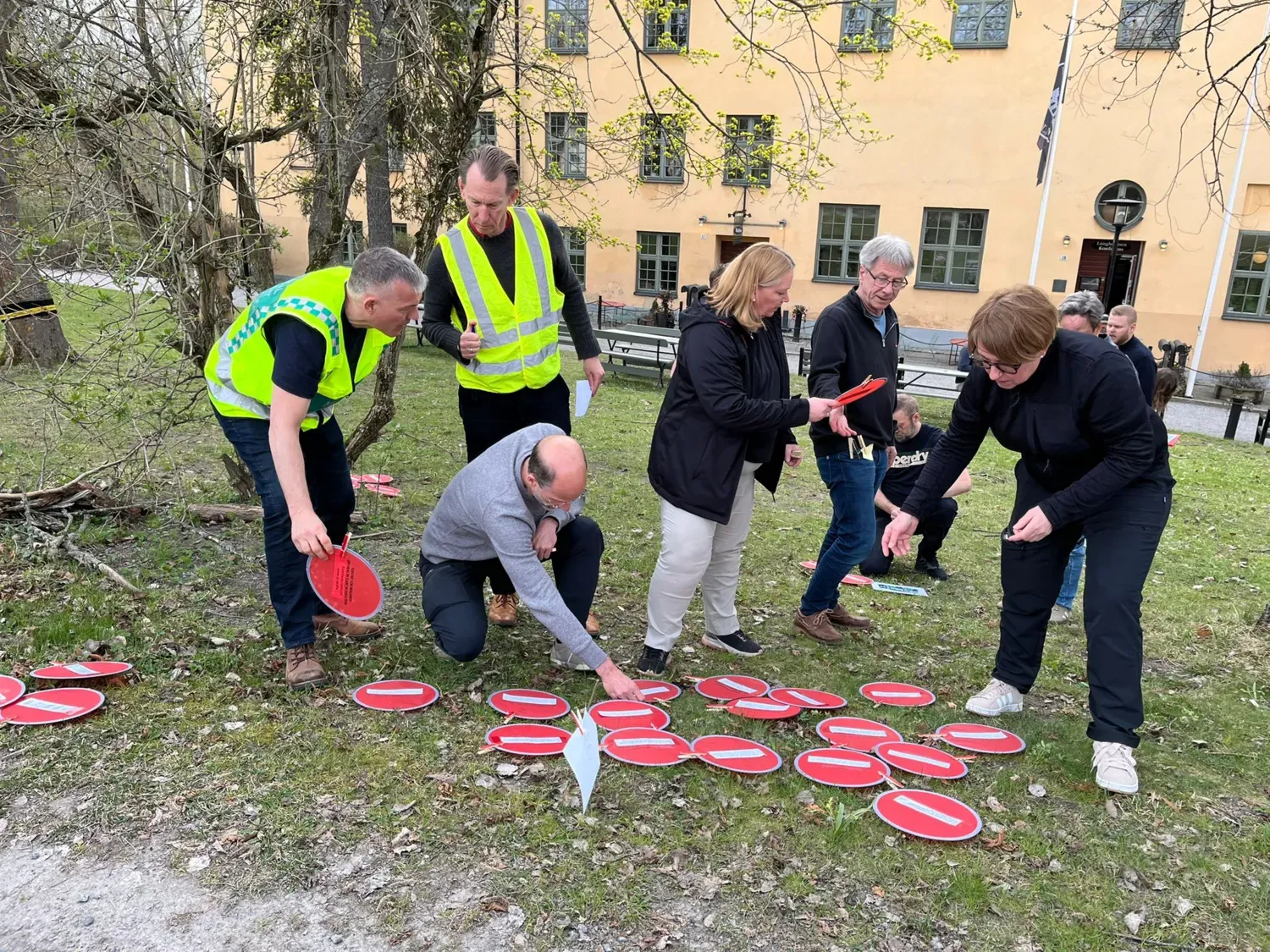 Photo: Åsa Svensson
AnTriEx and ViTriEx
AnTriEx and ViTriEx are tools for simulation exercises in mass casualty scenarios developed by us at Global Disaster Medicine - Health Needs and Response.
Erasmus Mundus Master Programme - Public Health in Disasters
Our master programme in Public Health in Disasters is the only Erasmus Mundus Master programme at Karolinska Institutet. We run the programme in collaboration with the University of Nicosia and University of Oviedo. The programme gives students a comprehensive educational foundation when it comes to healthcare in disasters and global health, preparing them for a wide range of career opportunities.
Find out more about the programme on the webpage: Erasmus Mundus Master Programme in Public Health in Disasters
These courses that are taught as part of the programme here at KI are also available as free-standing courses (see below), which contributes to a mix of students and a diverse learning environment.
Erasmus Mundus Master programme external website
Free-standing courses in global disaster medicine
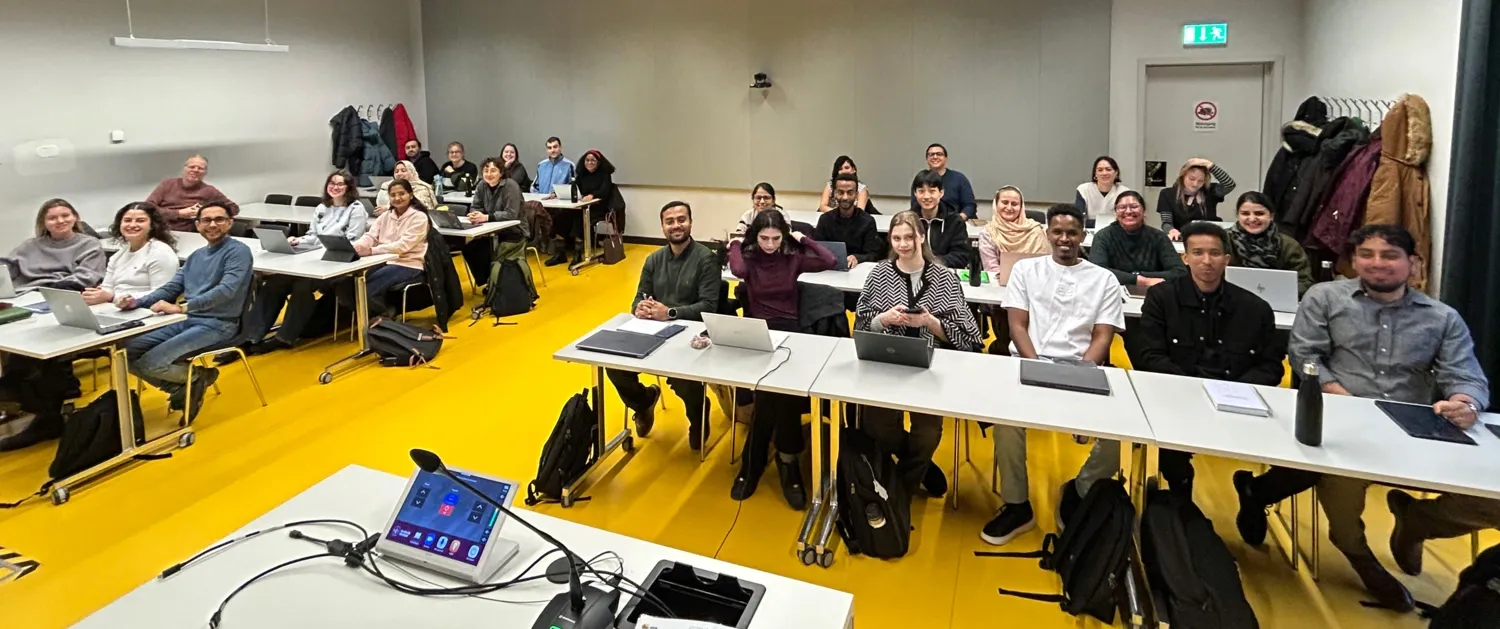
We offer three free-standing courses in global disaster medicine, that are also part of our semester in the Erasmus Mundus Master's programme, meaning that the students study them together. It contributes to a global atmosphere in the classroom and excellent opportunities for exchange of experience with other students.
- Global Health and Disasters (7.5 ECTs)
The course provides students with an improved understanding of the concept of global health and the impact of disasters on our health, both as individuals and on societies. - Public Health Response in Health Crisis and Disasters (15 ECTs)
The course provides students with the tools to understand, assess, analyse, plan, and implement health interventions in crises and disasters. - Qualitative Research and Evaluation Methods in Disasters (7.5 ECTs)
The course provides students with an introduction to qualitative research and how it can be used in evaluations of health care interventions in disasters.
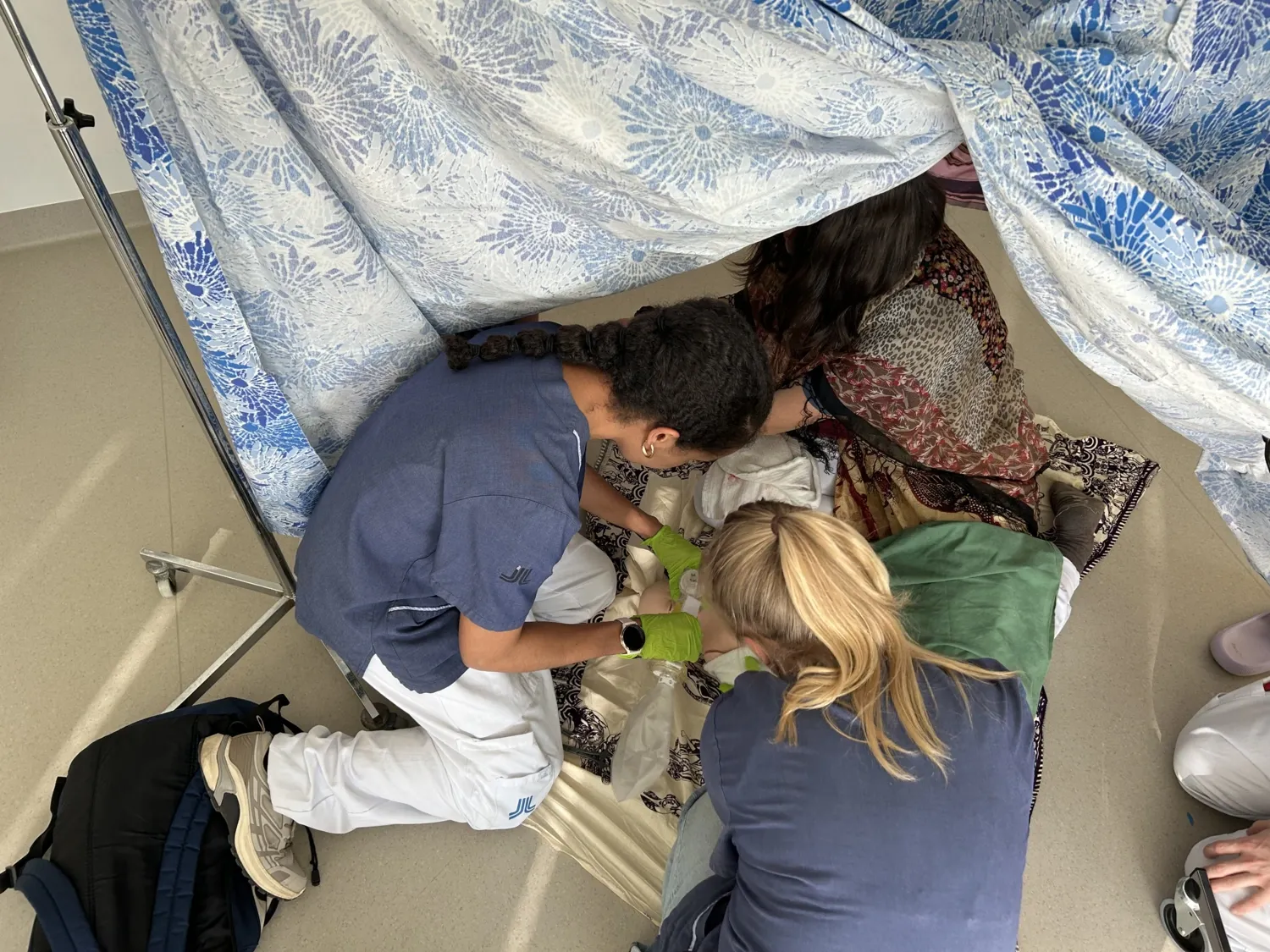
Health Assistance in Humanitarian Crisis - Professional training course in collaboration Médecins Sans Frontières (MSF) Sweden
We teach a professional education course (uppdragsutbildning) called Health Assistance in Humanitarian Crisis, aimed at health care and medical staff who are preparing to work on field mission in disasters, conflicts and low-resource areas.
The course is developed and conducted in collaboration with the Centre for Health Crises and receives funding from the Kamprad Family Foundation.
To be able to attend you should either be in the recruitment process for a position with Médecins Sans Frontières (Läkare utan Gränser) Sweden or your employer should support your participation.
About the course
The course awards 12 ECTs and is taught across four thematic modules:
- Global health, disasters and health crises
- Disasters, health crises and communicable and non-communicable diseases, as well as epidemic outbreaks
- Sexual and reproductive health and rights (SRHR), as well as child health in disasters and health crises
- Project planning and response in disasters and health crises
It provides students with concrete tools for planning and implementing humanitarian health assistance. The basis of the course is the global health situation and determinants for health. It illustrates how context and different types of disasters affect public health. The course highlights health strategies aimed at reducing morbidity and mortality.
The course is taught, in Swedish, through a combination of web-based learning and teaching on campus at Karolinska Institutet in Solna.
Teaching methods
- Interactive lectures
- Discussion seminars
- Case-based group assignments
- Clinical simulation exercises
Visit the course website to find out more.
Course contacts
For more information about course content, please contact Anneli Eriksson, anneli.eriksson@ki.se.
If you want to want to take the course as part of a preparation for working with Médecins Sans Frontières, please contact Eugene Bushayija, Eugene.Bushayija@stockholm.msf.org.
If you are interested in applying to this course but are not a prospective staff member of Médecins Sans Frontières please contact Kristoffer Mörtsjö, kristoffer.mortsjo@ki.se for more information about the registration process and fee.
Disaster medicine for medical students at KI
We teach disaster medicine to medical students at KI through different types of lectures and classes, often focusing on topics such as: the principles of clinical disaster medicine in Sweden and globally, decision-making with limited resources, and management of mass casualty incidents.
The course Decision-making with Limited Resources is a special one-day course in disaster medicine for all medical students currently in their final year at KI. It focuses on practicing triage, prioritisation, and how to make the best decisions when resources and information are scarce and unknown.
Courses for specialist medical staff
Since 2018 we have conducted specialist courses on behalf of the Swedish National Board of Health and Welfare (Socialstyrelsen), also known as SK-courses. The specialist courses are state-funded courses for medical doctors who are doing their specialised medical training in Sweden (specialiseringstjänstgöring). The courses are focused on decision-making with limited resources, triage, and disaster medicine.