
Medical preparedness
Through research, education and expert knowledge, we strengthen the ability of healthcare and society to prevent, manage and recover from serious events that affect people's health. As the global situation changes, the need for knowledge, collaboration and long-term skills provision is increasing. Karolinska Institutet’s investment in medical preparedness helps strengthen total defence and build a more robust and resilient society.
Menu for this area
Constituent parts from KI
Centre for Health Crises
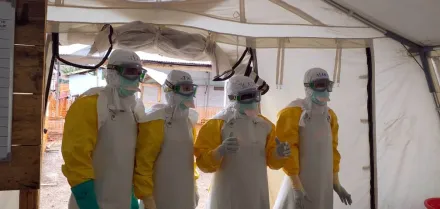
The Centre for Health Crises mobilises and coordinates interdisciplinary expertise and knowledge in the field of health crises. Its vision is a society that is better prepared for future health crises, by developing the next generation of health crisis experts through research, education and collaboration.
Research centre for global disaster medicine and international missions
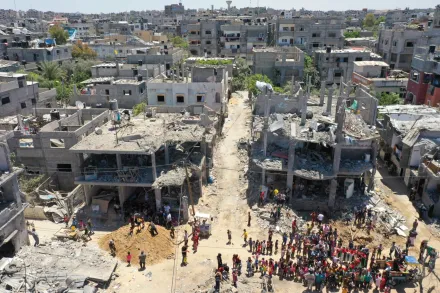
Research centre for global disaster medicine and international missionsis an interdisciplinary centre whose main activities are: research, training, fieldwork and consultancy. It aims to help strengthen and improve both Swedish and international healthcare capacity in the event of major disasters. The centre is a WHO Collaborating Centre and also carries out work on behalf of the National Board of Health and Welfare.
Defence-related medicine
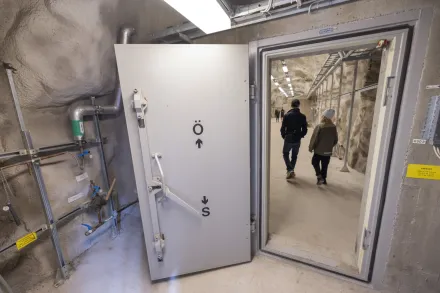
Karolinska Institutet is creating a platform for research and education in defence-related medicine. The aim is to strengthen Sweden’s medical preparedness and defence capabilities, and to promote long-term knowledge development and innovation in defence-related medicine. The platform is being developed in close collaboration with the Swedish Armed Forces.
HumanLab - Human Translational Physiological Core Facility
HumanLab aims to be a world leading KI platform for comprehensive studies of the human body, located in Bioclinicum in Solna. As a hub for research, education, and clinical innovation, HumanLab will support researchers, educators, healthcare professionals, and external partners across a diverse range of applications, from cognitive assessments and tissue biopsies to high-level clinical trials and extreme physiological tests.
ExtremeLab
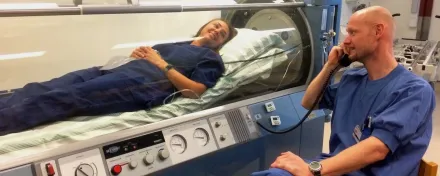
The ExtremeLab complements the HumanLab with infrastructure for interventional studies on performance and resilience in extreme environments relevant to climate change, aviation, naval and space medicine, and NATO’s cold-weather missions.
News
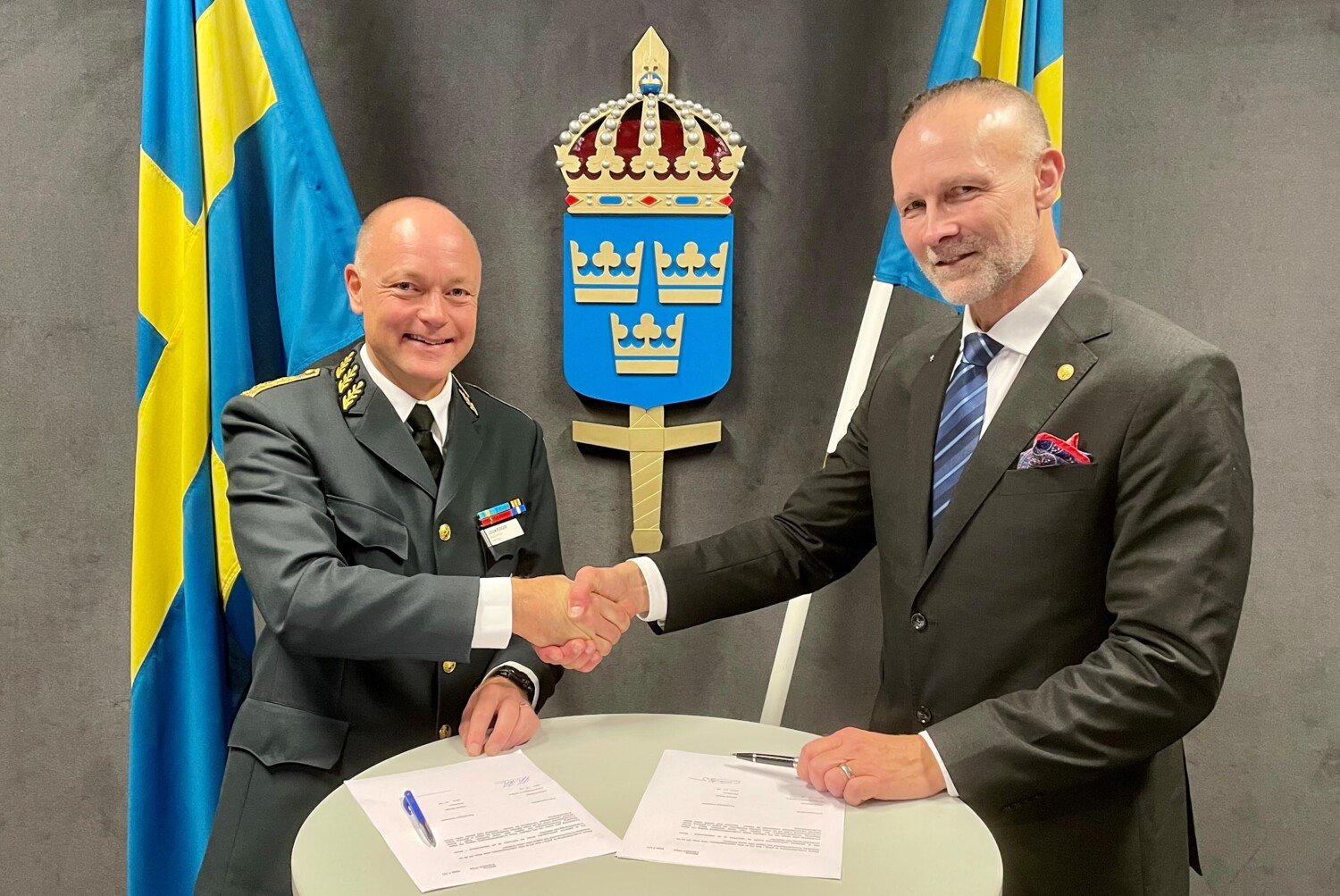 Photo: Fredrik Helmertz/Försvarsmakten
The Swedish Armed Forces deepens its collaboration with Karolinska Institutet
On Wednesday 8 October, The Swedish Armed Forces and Karolinska Institutet signed a declaration of intent to strengthen and broaden their collaboration in research and education in the field of defence-related medicine. The two organisations have a long history of collaboration in commissioned medical research, and in light of a changing global security situation and the expanding concept of total defence, they are now taking the next step.
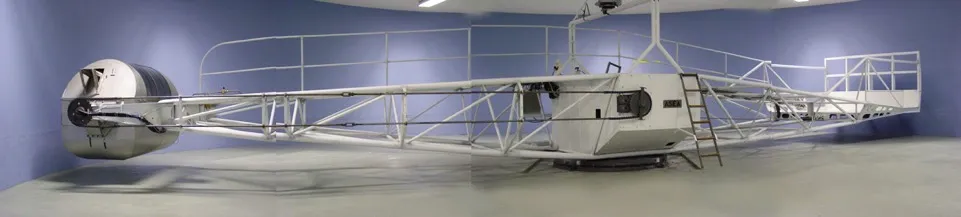 Photo: Omgivningsfysiologi
Environmental physiology at KI
Explore how the human body adapts to extreme environments through cutting-edge research in environmental physiology at KI, focusing on health, performance and survival in challenging conditions.
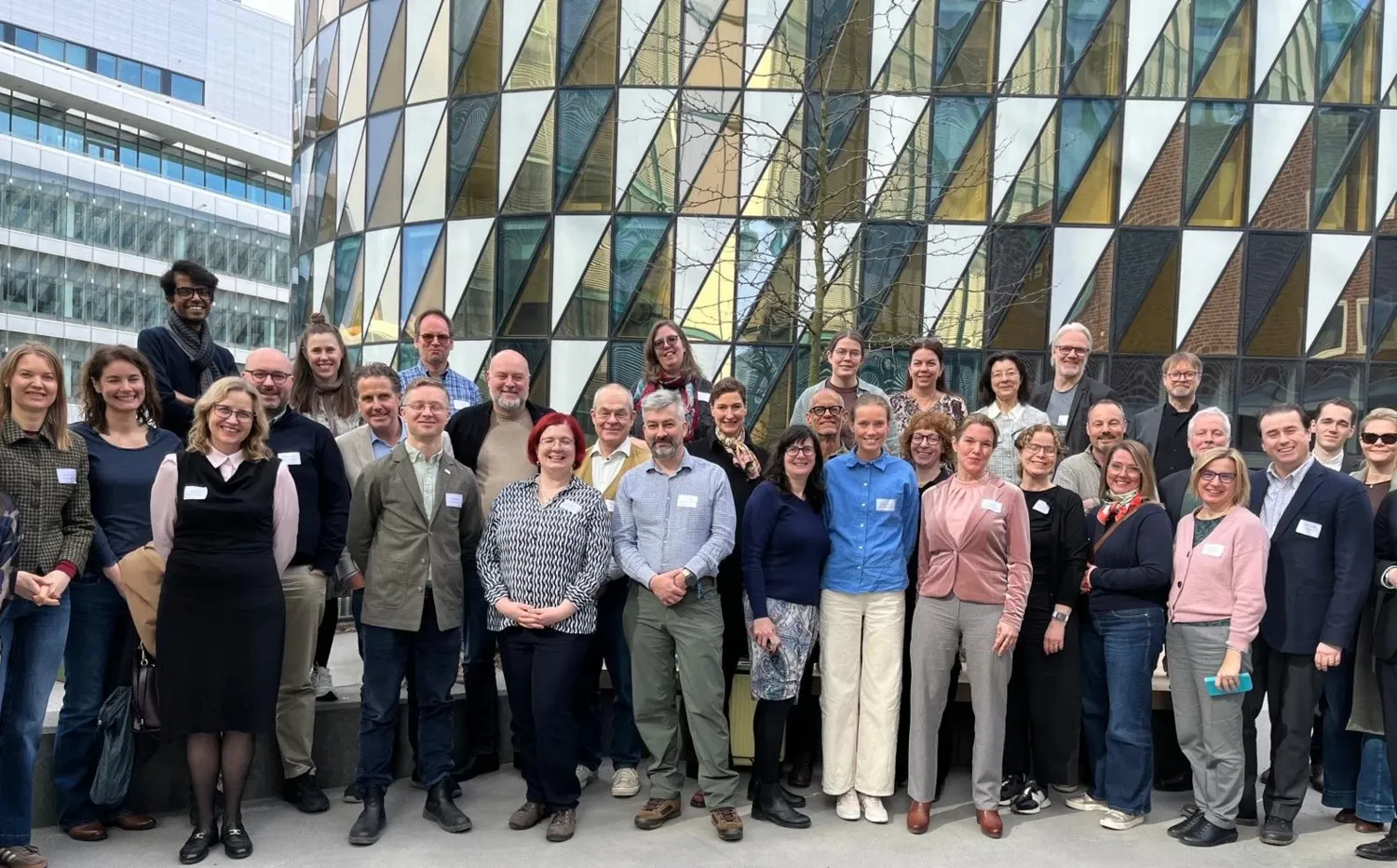 Photo: Åsa Svensson
Nordic meeting explores how universities should communicate with the rest of society before and during a crisis
The participants at the two-day meeting organised by the Nordic Universities Health Crises Network, which was recently held at KI, were united by the fact that they work at the intersection of research and policy, with a focus on crises.