

Defence-related medicine
Karolinska Institutet is establishing a platform for research and education in defence-related medicine. The aim is to strengthen Sweden’s medical preparedness and defence capabilities, as well as to promote long-term knowledge development and accelerate innovation in the field of defence-related medicine. The development of the platform is carried out in close collaboration with the Swedish Armed Forces, Försvarsmakten.
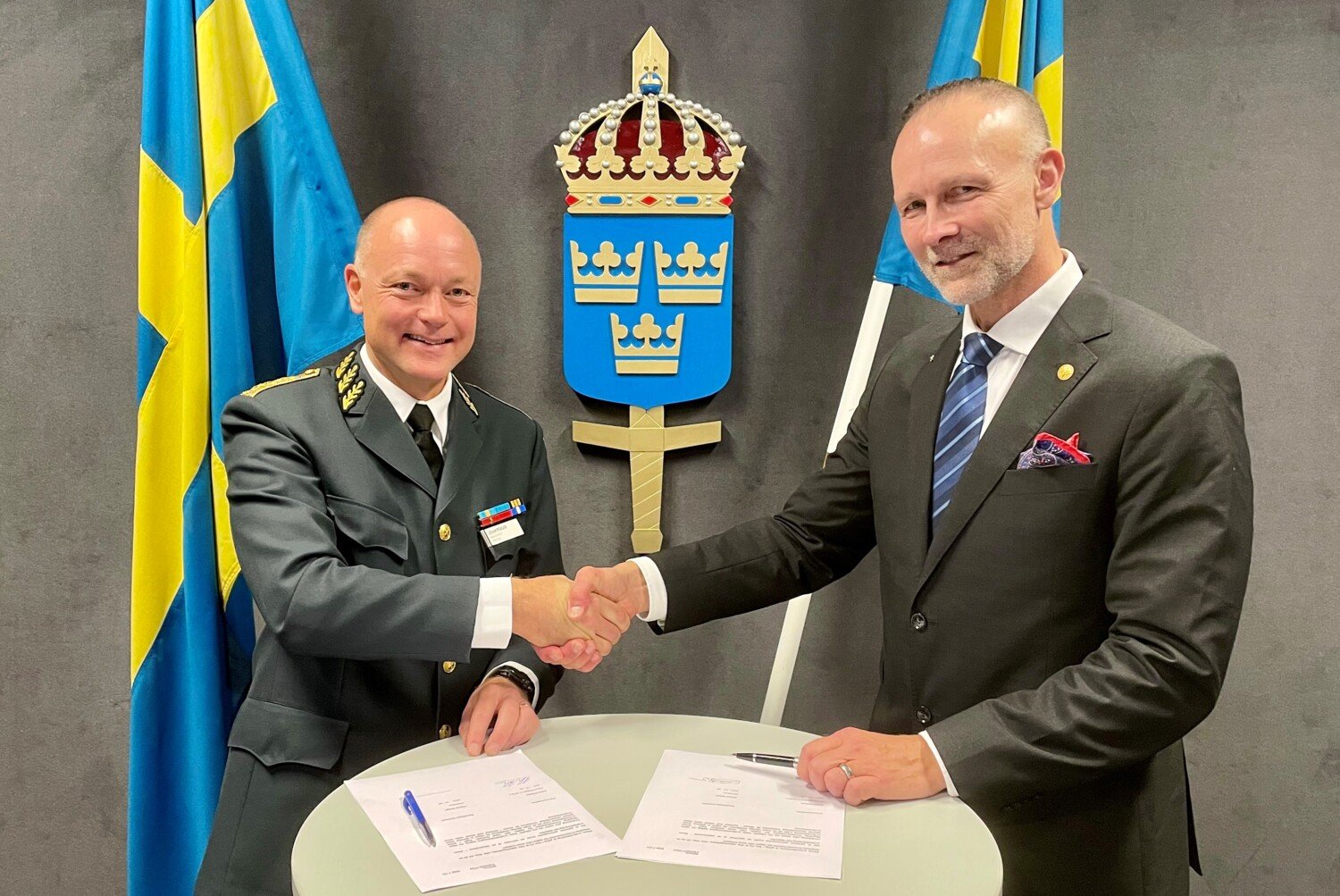 Photo: Fredrik Helmertz/Försvarsmakten
The Swedish Armed Forces deepens its collaboration with Karolinska Institutet
On Wednesday 8 October, The Swedish Armed Forces and Karolinska Institutet signed a declaration of intent to strengthen and broaden their collaboration in research and education in the field of defence-related medicine. The two organisations have a long history of collaboration in commissioned medical research, and in light of a changing global security situation and the expanding concept of total defence, they are now taking the next step.
 Photo: Photo by Cytonn Photography on Unsplash
Collaboration
The collaboration with the Swedish Armed Forces is an example of how Karolinska Institutet engages with - and is an integrated part of - society at large. KI collaborates not only with the healthcare sector, but also with other public authorities as well as with industry.
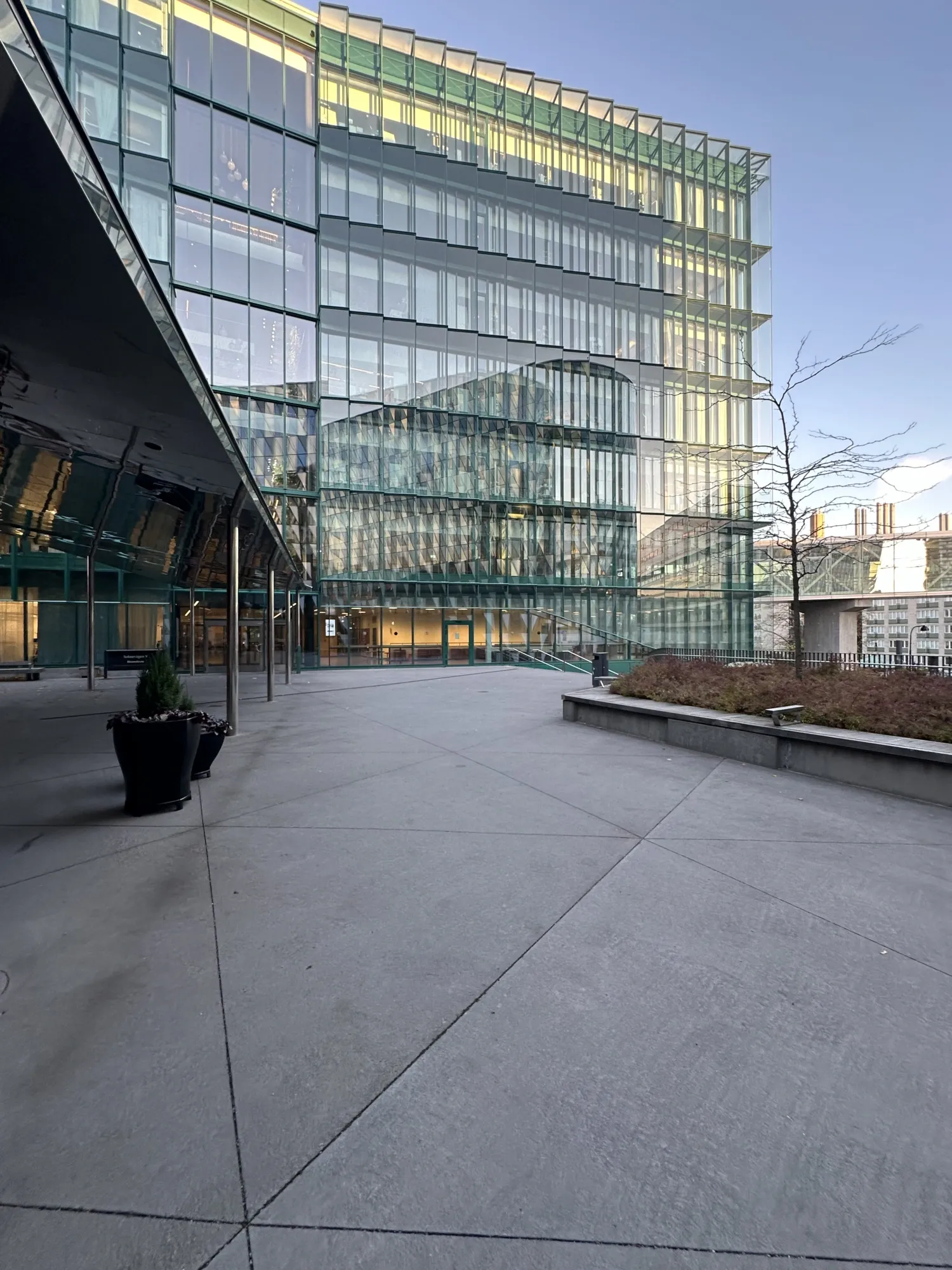 Photo: Lotte Brandt
The Department of physiology and pharmacology (FyFa) is the host department for defence-related medicine.
Research and educational activities in defence-related medicine at KI will extend broadly across KI. The goal is to be able to offer KI's entire repertoire in defence-related medicine to meet current research needs. Organisationally, defence-related medicine is based at FyFa as the host department. FyFa's hosting is based on special infrastructure and education.
Relevant Research
 Photo: Lars Karlsson,Dag Linnarsson
Environmental Physiology
The activities carried out within Environmental Physiology primarily concern medical and physiological issues encountered in military contexts. The research group is expected to serve as an expert advisory resource to the Swedish Armed Forces (SAF) in decision-making processes relating to physical exertion and the risk of physical injury to personnel.
 Photo: privat
Experimental Traumatology
Mathias Günthers forskning fokuserar på kroppens reaktioner vid svåra trauman, exempelvis explosionsskador och blödningschock. Målet är att utveckla och förbättra tidiga medicinska insatser för att öka överlevnaden och förbättra återhämtningen efter allvarliga skador.
 Photo: Erik Cronberg
AI-based Decision Support
The MINT team investigates how AI and digital tools can support learning and medical decision-making. They study how technology can help healthcare professionals make well-informed decisions, even in complex situations under time pressure
 Photo: Stefan Zimmerman
Resilient Blood Supply
Agneta Wikman conducts research in transfusion medicine and immunology, focusing on the treatment of bleeding. Her research includes the development of blood products with improved availability and shelf life, including frozen platelets and freeze-dried plasma for prehospital care.
Related news and links

Ramstein Aerospace Medicine Summit 2027
The RAMS and NATO HFM-445 Technical Course will take place on 16–19 March 2027 in Garmisch-Partenkirchen, Germany. This year’s theme is “Aurora Borealis – Aerospace Medicine in the Skies of the North.”
Abstracts are now welcome for presentations, panels, posters and working groups.
Deadline for abstract submissions: 4 December 2026.
For questions, please contact Jessica Alm

KI researchers behind new NATO guidelines
Researchers at KI have been involved in a NATO working group that has drawn up guidelines designed to reduce the risk of soldiers’ brains being affected by shock waves from explosions, primarily during training. The Unit for Experimental Traumatology has been conducting defence medicine research for nearly 20 years and has worked closely with the Swedish Armed Forces

Environmental physiology at KI
Explore how the human body adapts to extreme environments through cutting-edge research in environmental physiology at KI, focusing on health, performance and survival in challenging conditions.
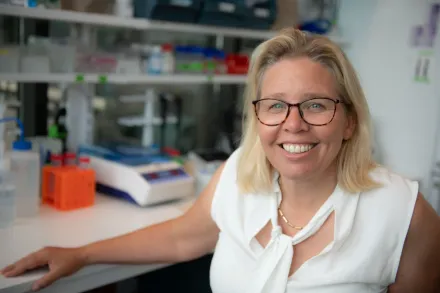
FyFa expands in human physiology - recruitment of one Assistant Professor has started
The Department of physiology and pharmacology is now taking the next step in its strategic initiative. The Department is announcing a position as Assistant Professor (BUL) in human physiology or medicine in extreme environments. In parallel, FyFa is also developing a unique lab for human research, which includes the possibility of patient-oriented studies, and which also strengthens the field of defence-related medicine.

Experimental Traumatology
The mission of the Experimental Traumatology research unit is to perform research in experimental traumatology and defence-related medicine and to maintain and develop strategic national and international medical research collaborations and networks.