
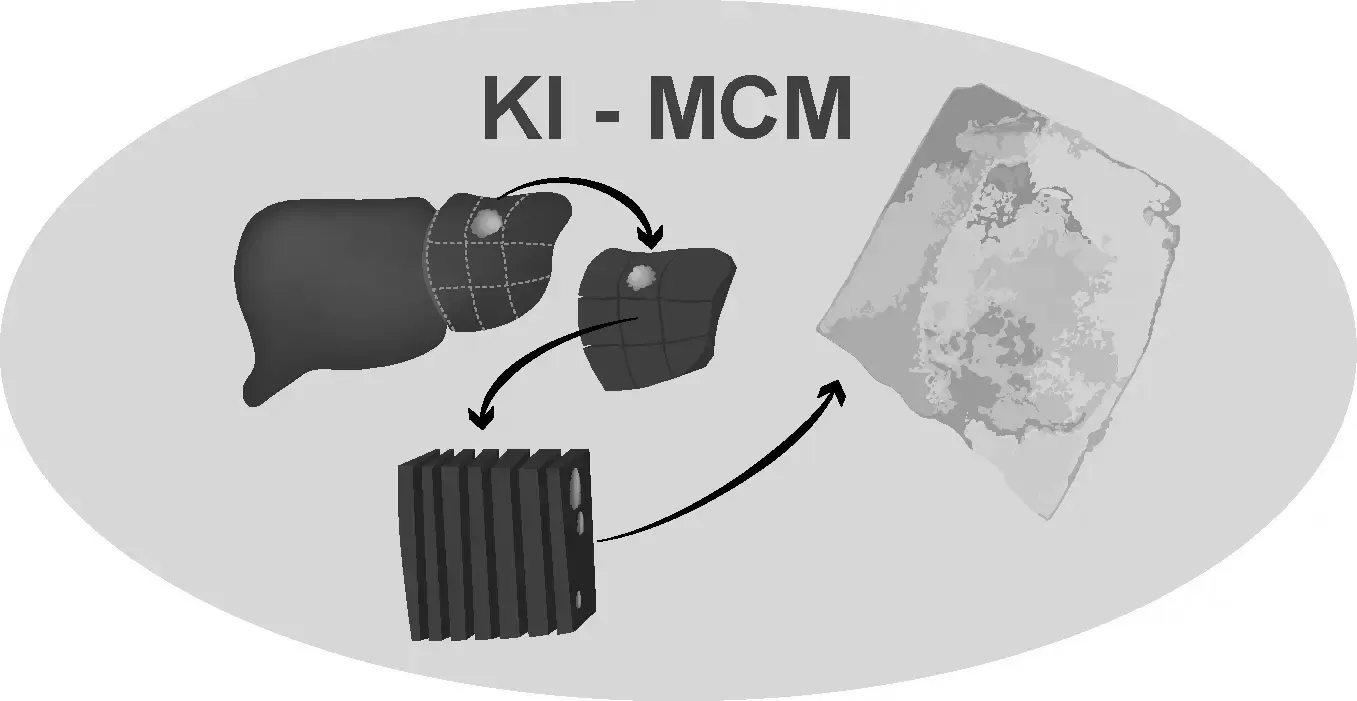
The KI-MCM network: Microenvironmental Control of Metastases
Metastases are the leading cause of cancer-related deaths. The KI-MCM network aims to improve our understanding of metastases by deciphering the metastatic microenvironment – what roles do host cells play to control or fuel metastatic growth?
Menu for this area
KI-MCM network
Research groups and clinicians from 5 KI departments have jointly initiated the KI-MCM network in 2024. They provide access to samples and cutting-edge laboratory techniques, and organize seminars and workshops around metastatic cancers.
The main initial focus of the network is on liver metastases, with plans to expand its scope to other metastatic sites during the first funding period.
News - The KI-MCM network
October 2026
Publication of the KaroLiver cohort profile Cohort profile: KaroLiver, a population-based cohort of patients receiving curative liver-directed treatment for colorectal liver metastases at a Swedish tertiary centre
Funding from the Erling Persson Foundation for two projects originating from KI-MCM:
BREACH - Breaking Resistance by Exposing Architectural Cancer Habitats; PI Marco Gerling, in close collaboration with SciLifeLab, the Department of Oncology-Pathology, KTH Royal Institute of Technology, the Department of Medical Biochemistry and Biophysics, and Linköping University will map the protective tissue niches in pancreatic tumours where cancer cells survive treatment. By understanding how these habitats form, the team aims to break them open and make existing therapies work better for patients.
IMAGINE - Imatinib-Augmented Perfusion for Gastrointestinal Liver Neoplasia, our ongoing study, has received substantial funding for the next three years. Congratulations to main applicant Arne Östman and the entire IMAGINE team at the Department of Oncology-Pathology, CLINTEC, the Department of Molecular Medicine and Surgery, and Karolinska University Hospital.