
Collaboration at the Centre for Health Crises
At the Centre for Health Crises, we collaborate with other universities, government authorities, regions and organisations, both nationally and internationally, on issues relating to health crises. This enables us to utilise, develop and disseminate our expertise and extend the reach of our activities. Furthermore, it keeps us up to date, involved in the public debate, and enables us to share our knowledge and skills.
Our collaborations
At the centre, we collaborate extensively with various stakeholders on issues relating to health crisis preparedness and management. We collaborate with other universities, both through the Health Crisis Network and via other contacts, with government authorities and regions – not least within the health and healthcare sector – as well as with international organisations, professional associations and many others.
We engage in collaborations within both our programme areas – Science to Policy and the Health Crises Academy – and across all our areas of expertise. Activities that we collaborate on range from joint courses and events to more general knowledge-sharing and exchange.
National collaborations with government authorities, professional associations and other organisations
Both the centre as a whole and our various areas of expertise, maintain contact with a number of government authorities, such as the National Board of Health and Welfare, the Swedish Civil Defence and Resilience Agency (MCF), the Swedish Agency for Health Technology Assessment and Social Services (SBU) and the Public Health Agency of Sweden. Among other things, we are part of working groups and expert groups at the National Board of Health and Welfare, and representatives from these and other relevant authorities are often invited when we organise events and forums for discussion.
As healthcare in Sweden is a regional – and, to some extent, local – matter of decision, we are committed to maintaining good contact with representatives at that level. For example, we have been in dialogue with the National Coordination, Planning and Management (NSPL) since it began its work.
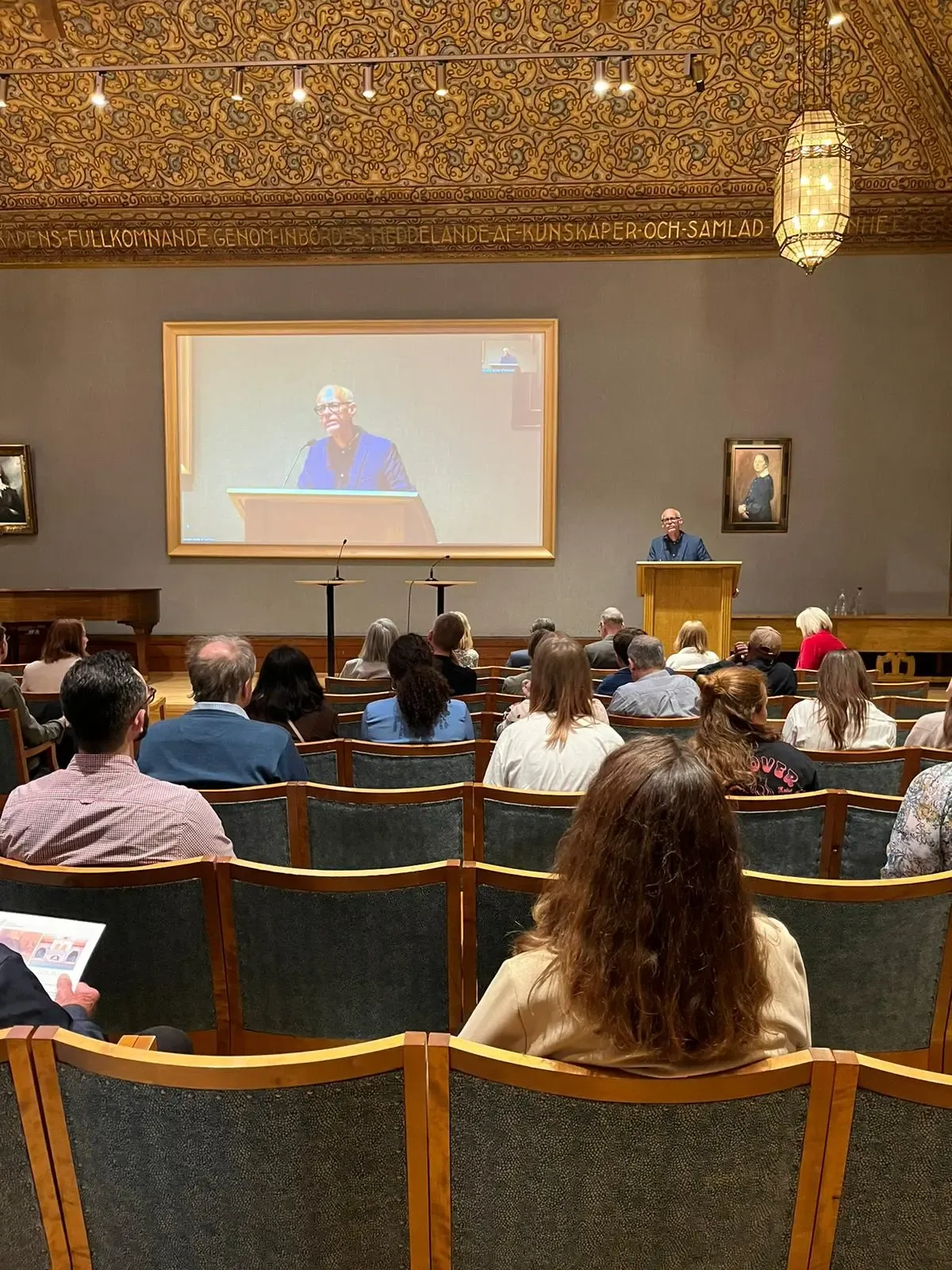
Similarly, in order to maintain close and effective contact with day-to-day work in the healthcare sector – both to gather feedback and insights from their work, and to ensure that our input remains relevant to those working in the sector – we collaborate with various professional associations, such as the Swedish Society of Medicine and the Swedish Nurses’ Association.
Among other things, we have held discussions with professional associations regarding basic health crisis preparedness training and our position paper on preparedness in the healthcare sector, based on experiences from the COVID-19 pandemic. We have also collaborated with the Swedish Medical Association to highlight the problem of attacks on the healthcare sector.
We also collaborate with humanitarian organisations working in the field of health crises. Not least when it comes to education, we work with both the Swedish Red Cross and Médecins Sans Frontières.
Personnel loan
In collaboration with KI and various government agencies and other organisations, we support arrangements and processes for personnel loans. The aim is to make expertise available both during ongoing health crises and in preparedness and evaluation, by enabling individual staff members to move between KI, other government agencies and other organisations.
As part of this work, we have, amongst other things, been involved in the process of drawing up agreements on personnel loan between KI and the Public Health Agency of Sweden, as well as between KI and the Swedish Civil Defence and Resilience Contingencies Agency.
This is led by the Human Resources Department at Karolinska Institutet, in collaboration with government agencies and other stakeholders. Further information on personnel loans, aimed primarily at staff and managers, is available on KI’s Staff Portal.
International collaborations
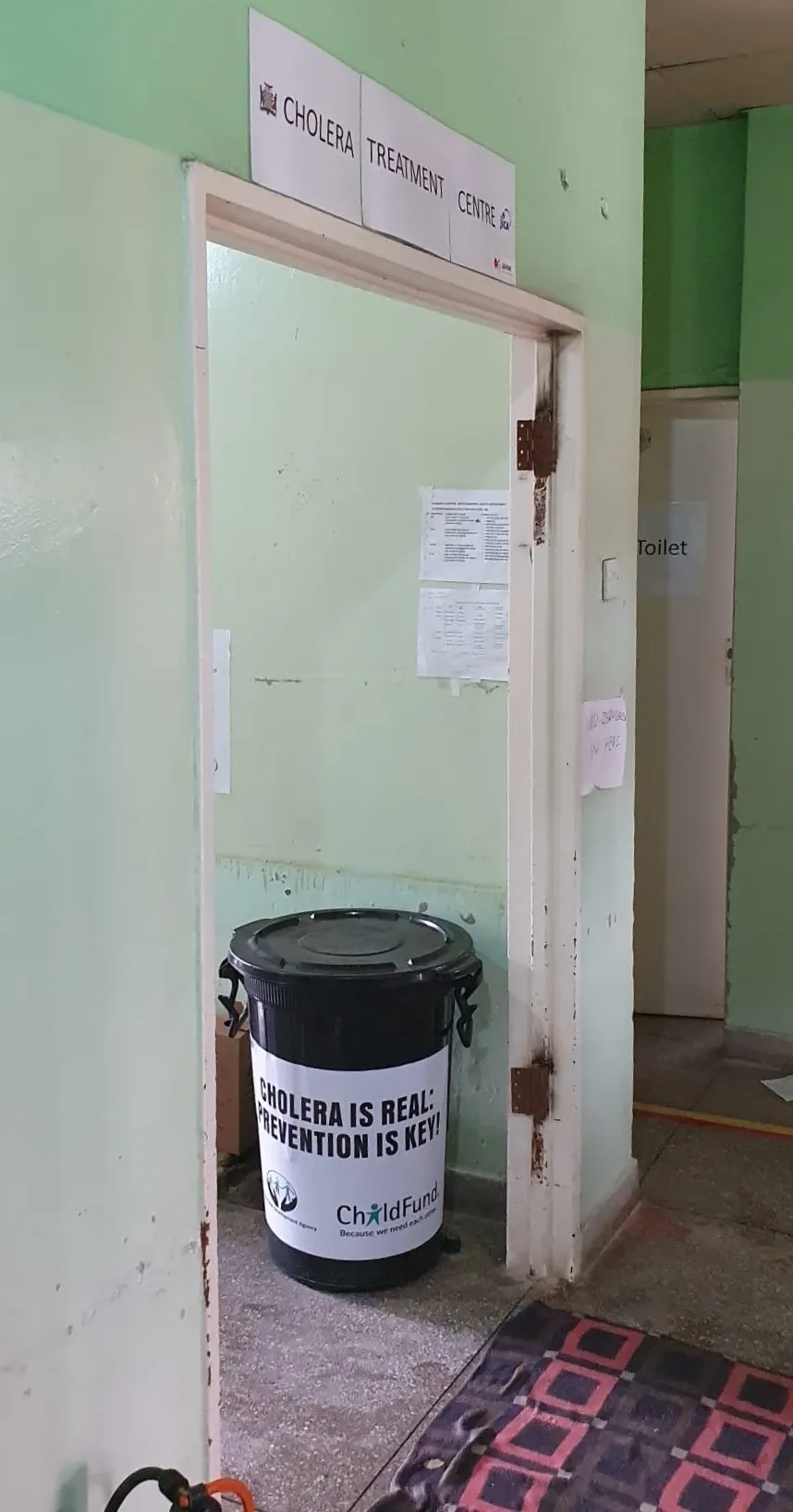
Our expert coordinators all maintain an international network within their respective fields of expertise. The Centre as a whole has also established links with other international health crisis initiatives, such as the WHO and the European Centre for Disease Prevention and Control (ECDC), where we have also participated in expert consultations and training programmes. We are members of the WHO-led Global Outbreak Alert and Response Network (GOARN), through which we second experts and further develop training programmes
In addition to the Nordic collaborations and contacts we have thanks to our coordinating role in the Nordic Universities Health Crisis Network, we collaborate with the Nordic networks Nordic Pandemic Resilience and Preparedness Network (NordPrep) and the Nordic Disinformation Resilience Network.
Secondments
By collaborating with international organisations (currently the World Health Organisation (WHO), Médecins Sans Frontières (MSF), GOARN and UK-Med), we second experts to ongoing health crises internationally and to work on health crisis preparedness. This is a way of helping to ensure that relevant health crisis expertise reaches the emergency situations where it is needed, whilst also enabling us to bring back new knowledge and experience to support our policy work and training activities.
In connection to the secondments, we disseminate knowledge and lessons learnt from them– which can benefit Swedish preparedness – by having the seconded staff share their experiences through lectures, interviews, seminars and other activities.
University collaborations
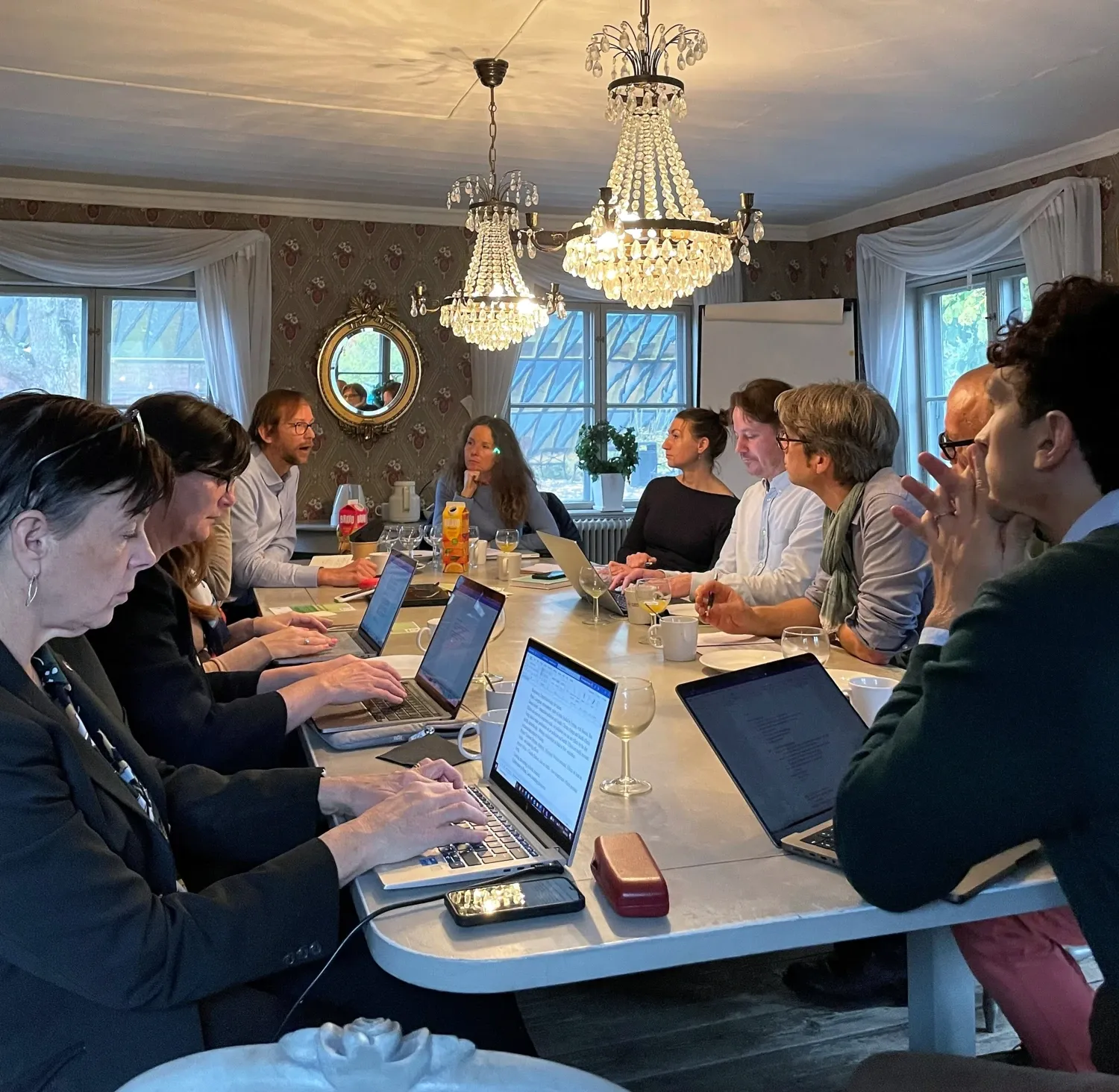
In addition to our networks and other direct collaborations with departments at other universities, we have established links with research and policy institutes, such as the Swedish Centre for Business and Society (SNS) and the Institute for Futures Studies, and interest groups such as Public & Science Sweden and Society and Defence, where we have, amongst other things, taken part in events and been involved in working groups.
Collaborations within Karolinska Institutet
As our work spans many disciplines and requires multifaceted expertise to be effective, we are committed to collaborating widely within KI and reaching out to various departments, centres and units at the university. Ever since the centre was established, we have worked closely with the research group Global Disaster Medicine – Health Needs and Response. We also maintain close links with the Research Centre for Radiation Medicine in Disasters (KcRN), the Centre of Excellence for Sustainable Health, and with activities linked to KI’s medical preparedness initiative.
Stockholm trio
Karolinska Institutet is one of three partners in the Stockholm Trio university alliance. As part of this, the Centre is involved in an interdisciplinary collaboration on climate and health, known as Stockholm Trio Climate Health. Together with the KTH Climate Action Centre and the Bolin Centre for Climate Research at Stockholm University, we are working to identify common ground for research and educational activities focusing on the intersection between climate and health.
Thanks to the contacts established through this collaboration, our expert coordinator on extreme weather, climate and health effects is now part of the strategic research area ClimTrio.
Campus Total Defence
Since 2024, we have had an established contact with Campus Total Defence. It is a strategic initiative in which Swedish universities collaborate to strengthen Sweden’s total defence through education and research. Through its activities, Campus Totalförsvar also aims to establish a common platform where colleges and universities can develop partnerships with public authorities, the business sector and civil society in areas related to total defence.
As the Centre for Health Crises, just like Cyber Campus Sweden, already existed when Campus Total Defence was formed, the subject areas covered by our activities have been excluded from their remit, and they refer to us instead.