

Research infrastructure and environments
Karolinska Institutet offers a wide range of service laboratories, competence centres and specialised equipment in areas such as imaging, biostatistics, biobanking, proteomics and genomics, and has an integrated organisation for animal facilities. In recent years, our two main campuses in the Stockholm area have expanded rapidly, with new buildings for laboratories, offices and animal houses. The KI University Library is the largest medical library in Scandinavia and open to the public.
 Photo: N/A
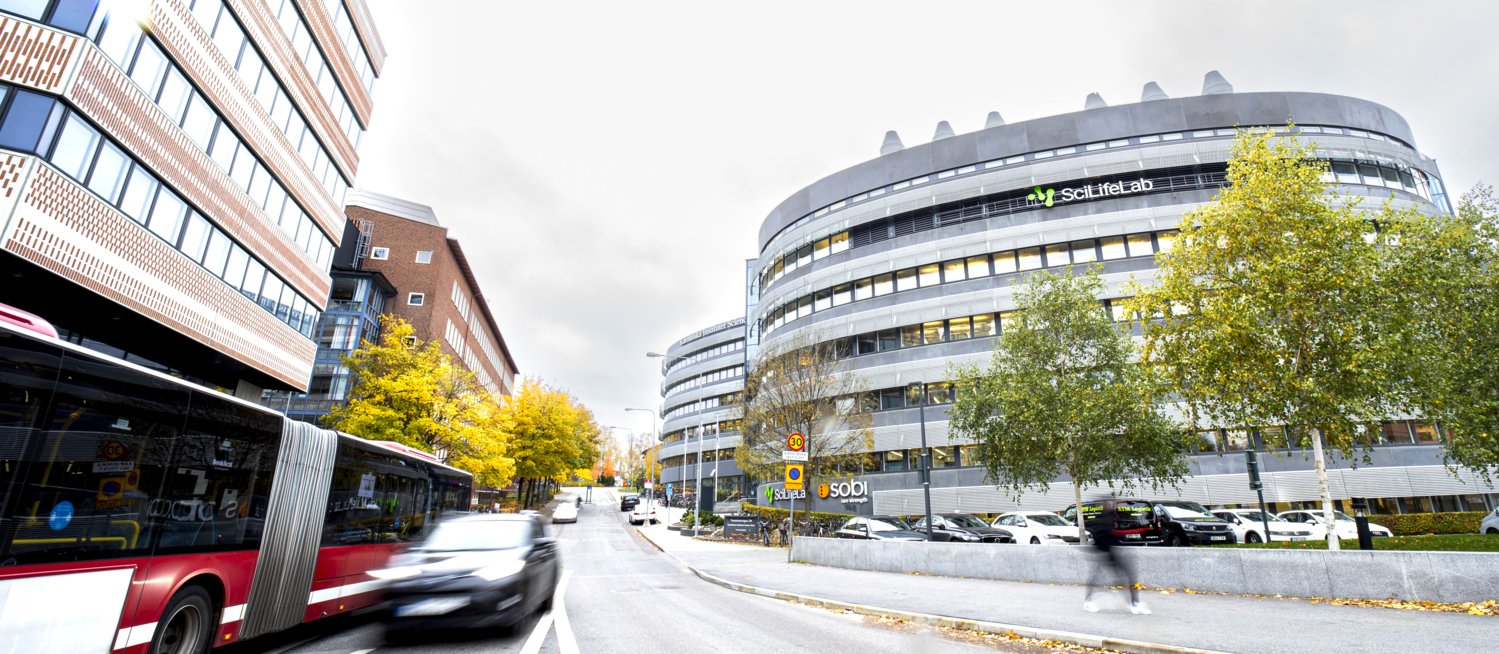 Photo: Niklas Norberg Wirtén
SciLifeLab at KI
SciLifeLab is a collaborative effort among several Swedish universities and a distributed national research infrastructure. SciLifeLab's mission is to provide cutting-edge technologies that enable large-scale analysis of biological processes at the molecular level. The SciLifeLab facility in Solna is the largest site for cooperation and is conveniently located near Karolinska Institutet’s north campus.
Research buildings
 Photo: Stefan Zimmerman
ANA Futura
ANA Futura is located on Campus Flemingsberg, south of Stockholm city and is a translationally integrated research environment, equipped for cutting-edge research, where boundaries between departments and disciplines are torn down and researchers collaborate. There is a large selection of core facilities, advanced labs and function rooms.
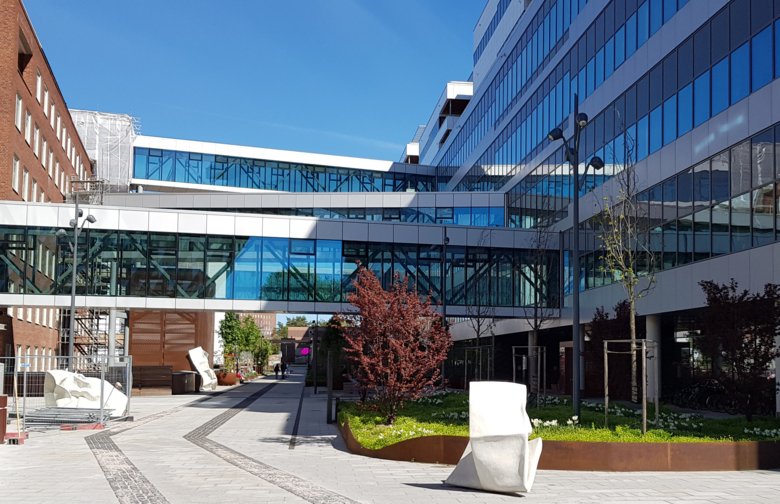 Photo: Ann-Britt Wikström
Bioclinicum
The research house Bioclinicum at Karolinska University Hospital, Solna is a hub for clinical research and is planned to increase the integration between research, education and medical care. Several of KI's clinical departments have premises in the building that also houses a clinical training center.
(In Swedish, change language on page.)
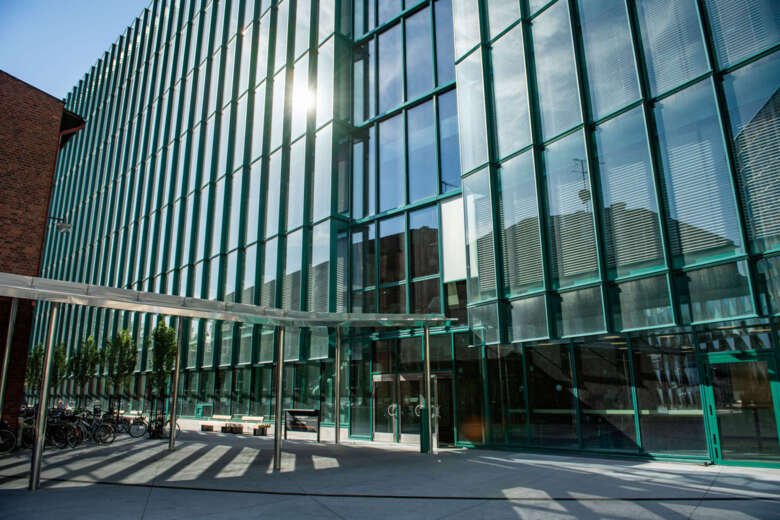 Photo: Stefan Zimmerman
Biomedicum
Biomedicum gathers a major part of the experimental research on Campus Solna under one roof — in an advanced research environment that promotes interdisciplinary collaboration and pioneering results. The house is situated nearby Aula Medica and Karolinska University Hospital, with a roofed bridge to the Bioclinicum building.
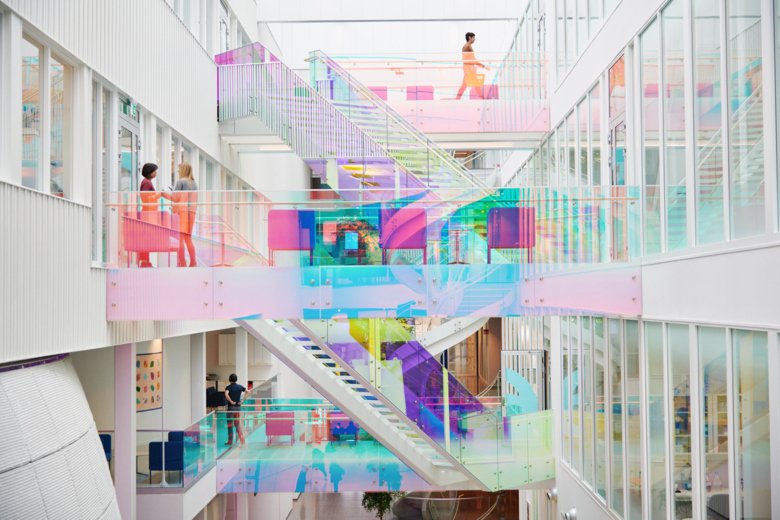 Photo: Erik Flyg
Neo
Neo opened in 2018 and is a building for experimental biomedical research on Campus Flemingsberg. In addition to being a living and creative hub for research, there are also state-of-the-art lecture halls and meeting rooms. Neo and ANA Futura together form Laboratory of the future.
More resourses
 Photo: Pixabay CC0
Research at our departments
KI has 21 departments divided into three departmental or campus groups. These departments are central to the academic environment at our university, with responsibilities encompassing scientific strategy, finance, and administration. Find a brief overview of the departments' scientific focus and links to their webpages.
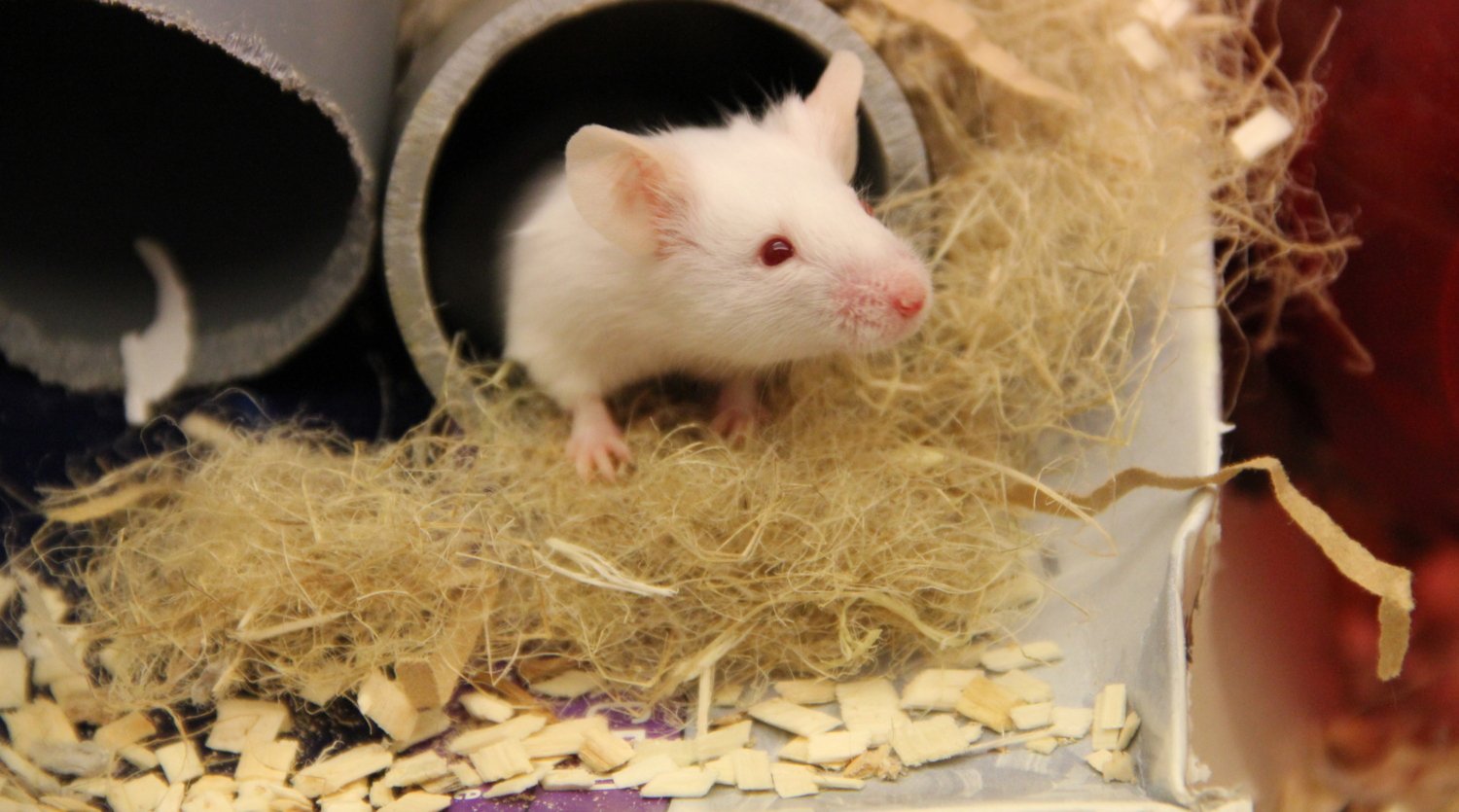 Photo: AFL/KI
Comparative Medicine
Comparative Medicine deals with all aspects of animal research activities at Karolinska Institutet, from animal housing and the management of core facilities to 3R education and support for ethical applications.
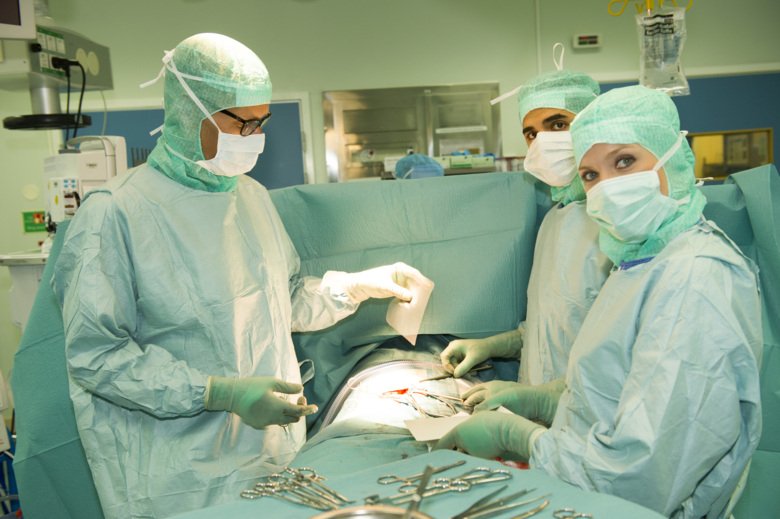 Photo: Stefan Zimmerman
Collaboration with the healthcare services
Research and education at Karolinska Institutet are closely intertwined with the healthcare sector. We collaborate with various regional stakeholders, especially with Region Stockholm, and a considerable part of our research is conducted in a clinical environment.
 Photo: Felix Frank
Karolinska Institutet Innovation — from idea to business
Going from idea to product or service that holds for the market does not happen overnight. As an innovation office and an incubator, Karolinska Institutet Innovation can help you in the entire innovation process from idea to market.
 Photo: Foto: Istock photos
The world’s largest twin registry
The Swedish Twin Registry, managed by Karolinska Institutet, is the largest of its kind and has become an invaluable resource for medical research. The registry was established in the 1960s, and the studies cover a variety of topics on public health issues.
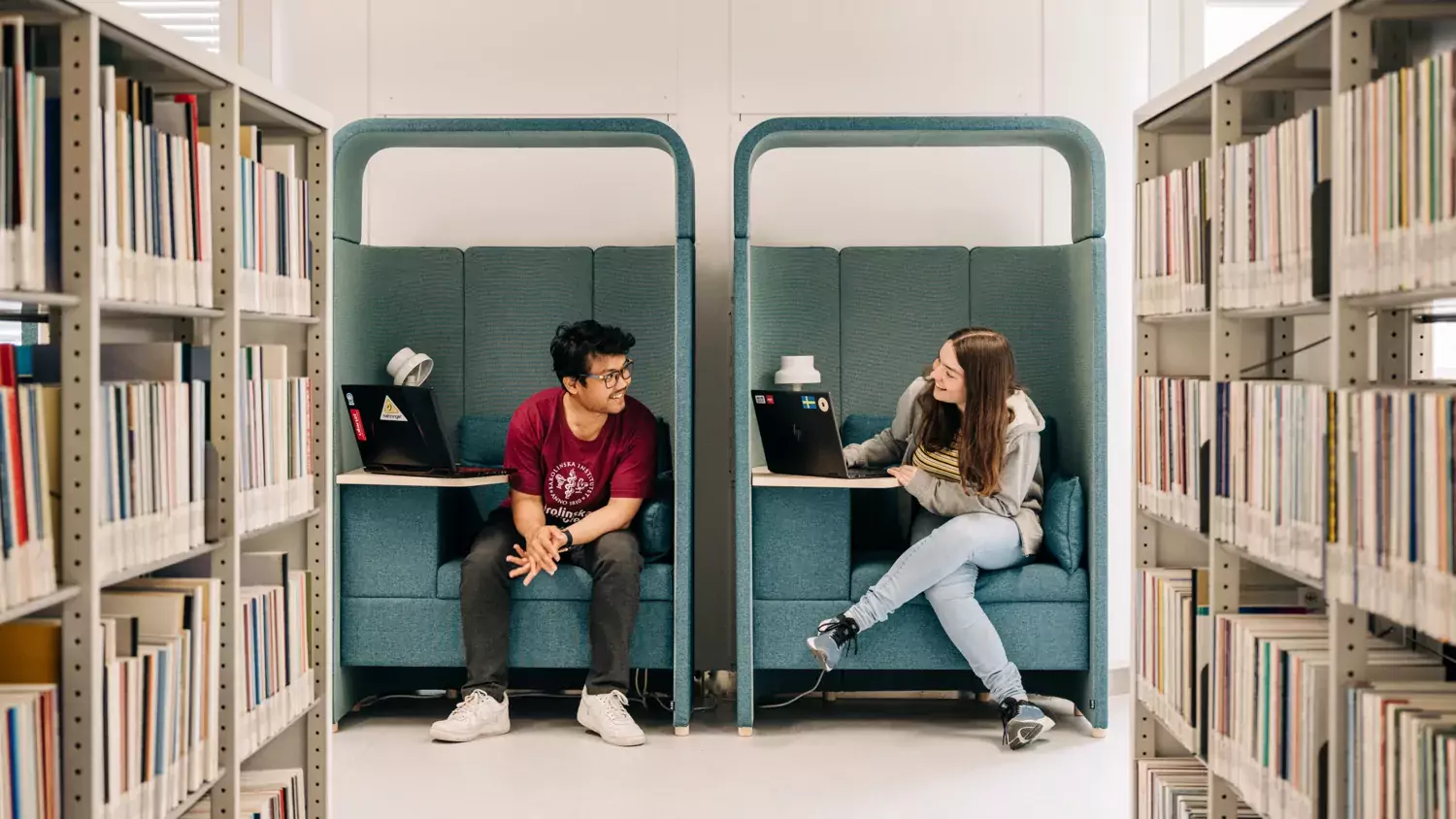 Photo: Erik Cronberg
University library
Karolinska Institutet University Library (KIB) offers support throughout the entire research process – from literature search and strategic publication advising to bibliometric analysis and lending services. KIB is located at our campuses in Solna and Flemingsberg and also boasts a well-developed digital infrastructure.
Selected news

Camilla Lagerberg new Biobank custodian at KI
Following a decision by the KI President, Camilla Lagerberg has been appointed biobank manager at Karolinska Institutet. The role involves overall responsibility for ensuring that KI Biobank operates in accordance with the Biobanks Act.

KI launches its own level-graded journal list
Karolinska Institutet has now launched the first version of its own journal list, KI JL, in which scientific journals are level-graded based on peer review. The list is intended to support researchers in decisions about publishing and journal quality and will be used in the university’s resource allocation.

KI is launching an expert pool for advanced technical support
Karolinska Institutet is now launching the Expert Pool, a new shared resource designed to strengthen research through improved access to advanced technical support. The initiative aims to meet a growing need for specialised expertise and create better conditions for collaboration and efficient use of resources within KI.

New organisation for research infrastructure at KI
From 1 January 2026, Research Infrastructure KI (RIKI) will be established to bring together KI’s core facilities in a cohesive organisation for research infrastructure. The aim is to provide even better support for researchers, facilitate collaboration, and ensure that KI meets future demands for development, security and expertise.

Light-controlled CRISPR enhances precision in genetic research
Researchers at KI has developed a novel tool for genetic research. In a recent study, they introduce BLU-VIPR, a method that allows researchers to control the gene-editing tool CRISPR using light. This innovation could significantly enhance our understanding of gene functions in complex organisms.
New knowledge portal facilitates research on metabolic diseases
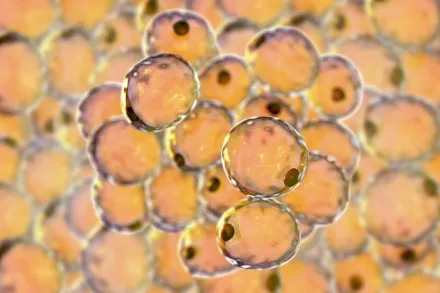
Researchers at Karolinska Institutet and Helmholtz Munich, among others, have developed a user-friendly portal with comprehensive data on human adipose tissue right down to the individual cell level. The new knowledge resource is presented in the journal Cell Metabolism.
New core facility offers world class imaging technique
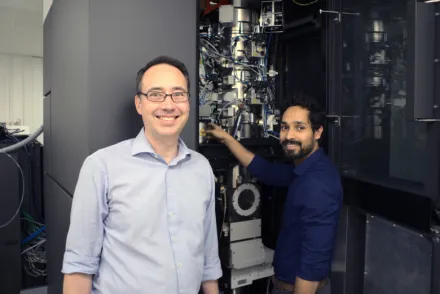
In the basement of Wargentin House on Solna campus there are several cryo-electron microscopes of the latest models, that can be used by both KI researchers and external customers. Read an interview with Martin Hällberg, director of the new 3D-EM facility.
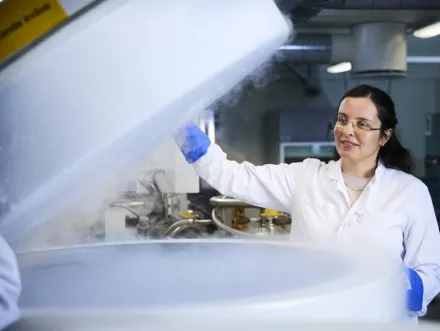
KI Biobank turns 20: “A goldmine for researchers”
The KI Biobank in Solna turns 20 this year. No fewer than 8.5 million samples from 750,000 individuals are preserved in its freezers. “The biobank is absolutely crucial to meeting tomorrow’s research needs,” says Sanela Kjellqvist, head of the KI Biobank.